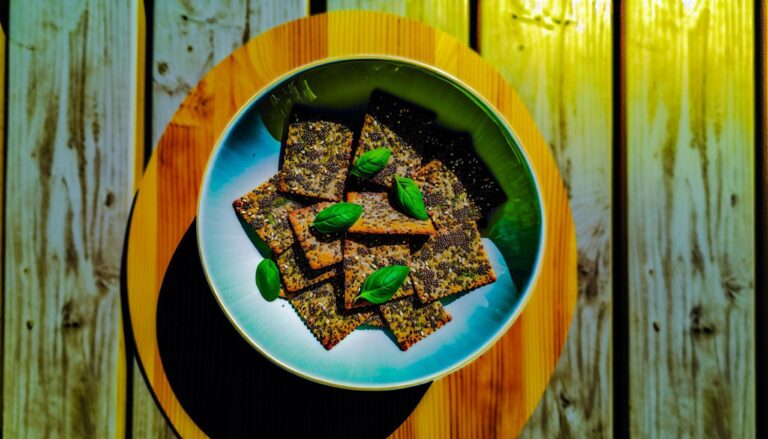
Almond Flour
Why almond flour is anti-inflammatory
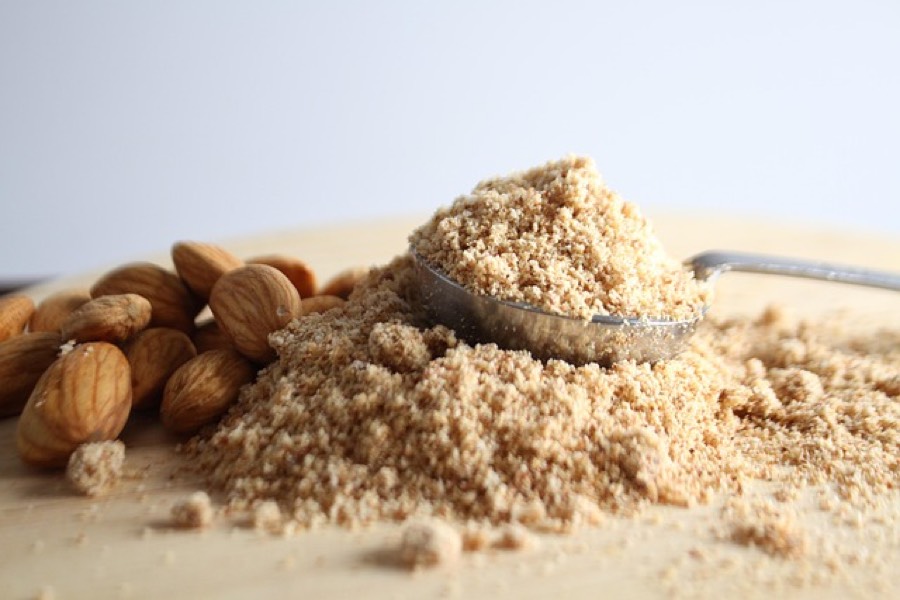
Almond flour is anti-inflammatory, and it is just almonds milled to a powder. That matters most when it replaces wheat flour, because almost none of its weight is starch. Fat, protein and fibre make up the bulk of it, so what you bake with it raises blood sugar far less than the wheat version would, and blood sugar that climbs sharply after a meal is linked to low-level inflammation.
What we know about almonds and inflammation comes from trials in which people ate the nuts. Pooled together, they found small falls in two of the inflammation markers measured in a blood test, and no change in the others. Nobody has tested the flour on its own, and a slice of almond cake is not a handful of almonds: the sugar comes with it.
Almond flour is milled from blanched almonds, so it is pale and fine. Almond meal keeps the brown skins, and those skins hold most of the plant compounds in an almond, so meal brings more of them with a heavier crumb. Read the ingredients either way: it should say almonds and nothing else, because some baking blends mix in rice flour or starch.
Almond flour does not behave like wheat flour. There is no gluten to hold a dough together, so recipes lean on eggs and you cannot swap it cup for cup into a wheat recipe. It browns sooner, so bake it lower and check it early. Keep the bag in the fridge, because it is mostly fat and goes stale faster than wheat flour.

Almond Flour on the AIP diet
Almond flour is out during the elimination phase of the Autoimmune Protocol, which removes every nut and seed. It is the flour most grain-free recipes are built on, so AIP baking runs on coconut flour, cassava flour and tigernut flour instead. Nuts are usually among the first foods tried again once symptoms settle, and a plain bake made with almond flour is a clear way to test them.
Benefits
- Almost no starch, so it raises blood sugar far less than wheat flour
- Naturally gluten free, without the starches used in most gluten-free blends
- Trials of almond eating found two inflammation markers in the blood came down
- A dense source of vitamin E, the antioxidant that protects your cell membranes
Watch out for
- Most of what it goes into is cake, and the sugar comes with it
- One of the most common tree nut allergies, and a severe one
- Blanched flour has lost the skins, where the plant compounds sit
- Mostly fat, so it goes stale quickly outside the fridge
Frequently asked
Is almond flour inflammatory?
No, almond flour is anti-inflammatory. It is ground almonds and little else, so most of its weight is fat, protein and fibre rather than starch, and it raises blood sugar far less than wheat flour does. What changes the answer is what you bake with it, because the sugar in a cake counts whatever flour is underneath.
What is the difference between almond flour and almond meal?
The skins. Almond flour is milled from blanched almonds, so it is pale and fine. Almond meal is milled with the brown skins left on, so it is darker and coarser. Those skins hold most of the plant compounds in an almond, while the finer flour gives a lighter crumb.
Can you swap almond flour for wheat flour cup for cup?
No. There is no gluten in it, so nothing holds a dough together, and it takes up liquid differently. Recipes written for almond flour use more egg and less of everything else. Start from one of those rather than converting a wheat recipe.
Is almond flour allowed on the AIP diet?
No, not during the elimination phase, which takes out every nut and seed. Coconut flour, cassava flour and tigernut flour do the same job while nuts are out. Almonds are often among the first foods reintroduced once symptoms settle.
Anti-inflammatory recipes with Almond Flour
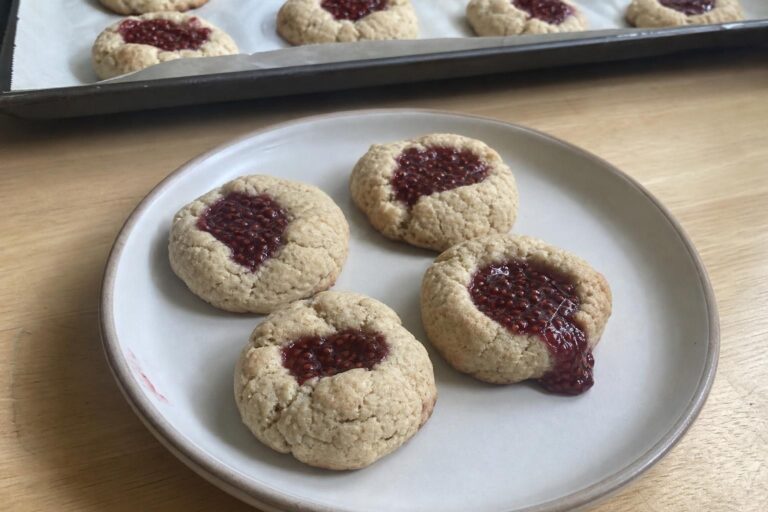
Raspberry Chia Jam Thumbprint Cookies Recipe

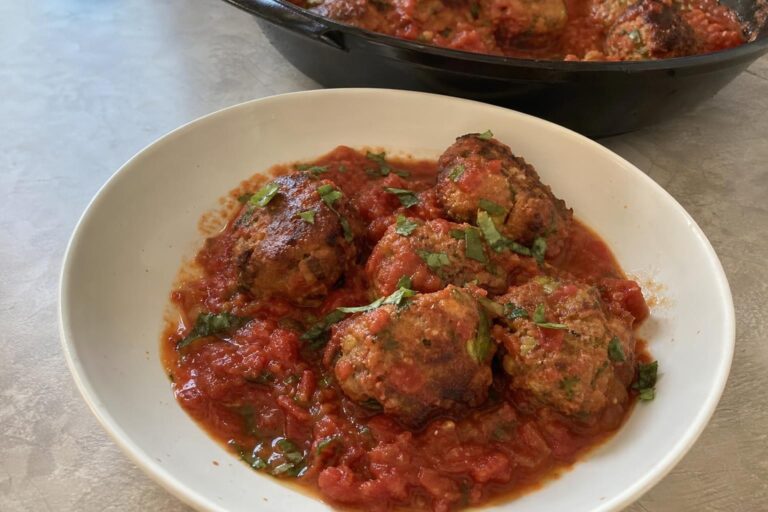
Turkey and Zucchini Meatballs with Tomato Sauce Recipe

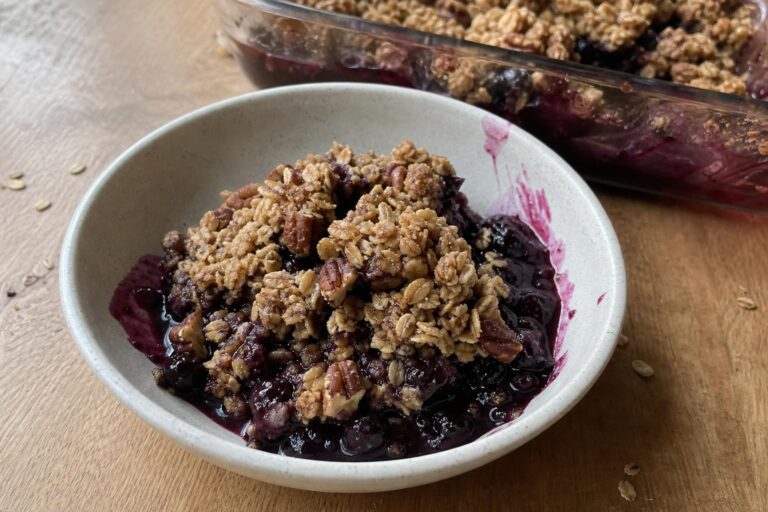
Blueberry Oat Crumble Recipe

Golden Turmeric Breakfast Muffins Recipe

Savory Chia Crackers with Herbs Recipe