Oranges
Why oranges are anti-inflammatory
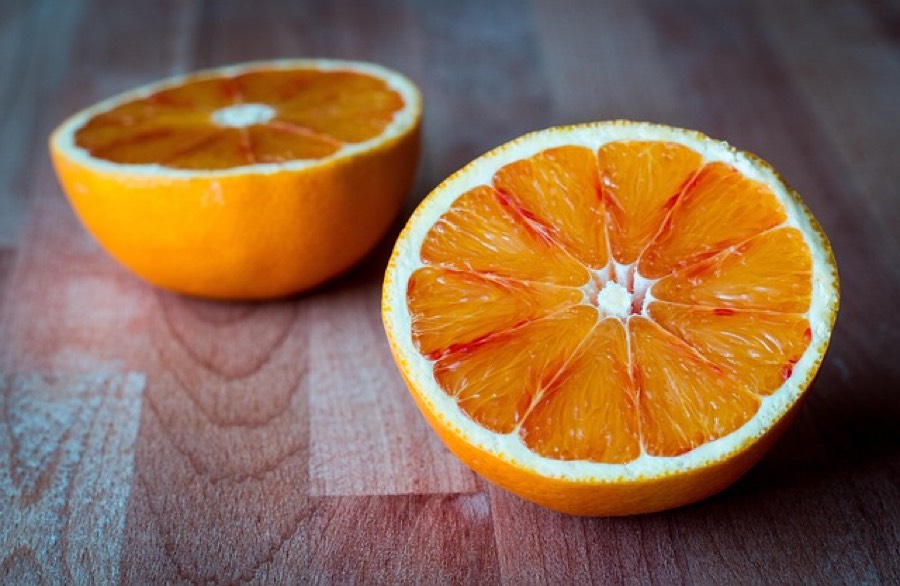
Oranges are anti-inflammatory, and much of the reason comes down to hesperidin, the main flavonoid in oranges. Hesperidin is concentrated in the white pith and the thin skins between the segments, not in the juicy flesh. Strip an orange clean and you bin a good share of the hesperidin along with most of the fibre.
Almost all the human research uses orange juice rather than the fruit. Pooling those trials, people who drank 100% orange juice ended with lower levels of one inflammation signal in the blood. C-reactive protein, the marker a routine blood test reports, came down a little but not enough to count. The reviewers rated that evidence as very low quality, because the studies were few and small. In a large survey, women who ate more of the flavonoids found in citrus had slightly lower inflammation markers, but that is a link between a diet and a blood test, not proof that oranges did it.
Vitamin C is the other half of the answer, and one orange covers most of a day’s worth of it. Your body spends vitamin C repairing the everyday damage inside cells that keeps inflammation running. An orange still lands at 2 out of 10 on our inflammation scale rather than 1. It carries more sugar than the berries that sit at the bottom of that scale, and its evidence is thinner and mostly collected on juice rather than on the fruit.
Buy them whole. A glass of juice takes three or four oranges, keeps all of their sugar and leaves the fibre and the pith behind. Anything sold as orange drink or orange nectar has sugar added on top. Eat the segments with the white strings still attached.

Oranges on the AIP diet
Oranges are allowed on the Autoimmune Protocol from day one, elimination included. They are a fruit, so nothing in them is on the list the protocol takes out. Two things to watch: AIP asks you to keep total fruit sugar modest across the day, and an orange carries more of it than a bowl of berries. Orange juice packs several oranges into a glass, so leave it out.
Benefits
- Hesperidin, the main flavonoid, sits in the white pith and the skins between the segments
- One orange covers most of a day's worth of vitamin C
- In pooled trials, 100% orange juice lowered one inflammation signal in the blood
- Eaten whole, the fibre and the pith come with the sugar instead of without it
Watch out for
- A glass of juice takes three or four oranges and keeps all of their sugar
- Picking the white strings off removes much of the hesperidin and some of the fibre
- The trial evidence is rated very low quality and comes from few, small studies
- Orange drink and orange nectar have sugar added on top of the fruit's own
Frequently asked
Are oranges inflammatory?
No, oranges are anti-inflammatory. They carry hesperidin, a flavonoid concentrated in the white pith and the skins between the segments, plus most of a day's vitamin C. The evidence is modest and most of it was collected on juice, but there is nothing in a whole orange working against you.
Is orange juice as good as a whole orange?
No. A glass takes three or four oranges, so all of their sugar arrives at once, and the fibre and most of the pith stay in the squeezer. Research tends to use juice because it is easy to hand out in a trial, not because it is the better way to eat an orange.
Should you eat the white part of an orange?
Yes. Hesperidin, the main flavonoid in an orange, sits mostly in the white pith and in the thin skins between the segments. Picking those strings off throws away the part doing the work, and a good share of the fibre with it.
Can you eat oranges on the AIP diet?
Yes, right through elimination. There is nothing in an orange that the protocol removes. The only thing to watch is how much fruit sugar you have across the day, and an orange carries more of it than a bowl of berries.