Strawberries
Why strawberries are anti-inflammatory
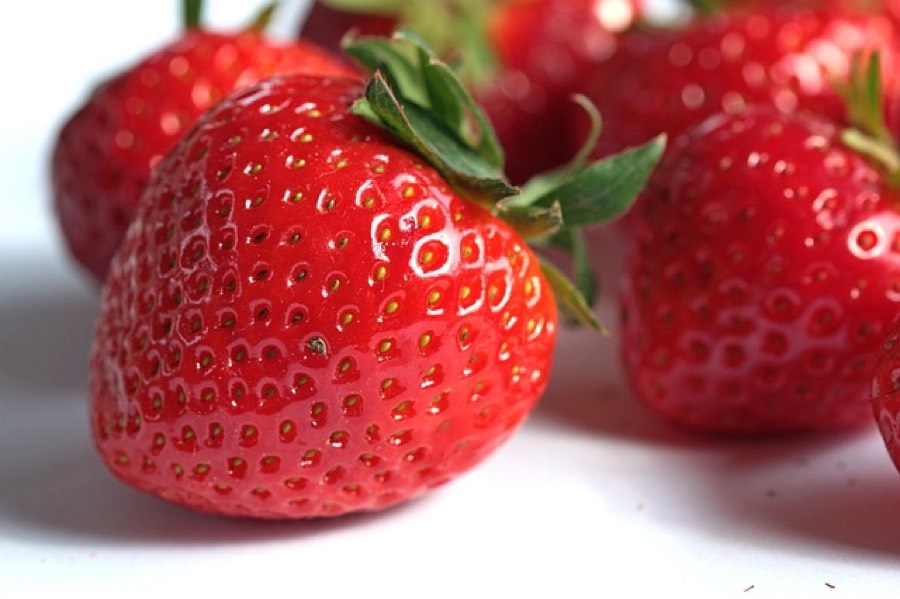
Strawberries are anti-inflammatory, and they are the rare sweet thing you do not have to ration. A cup holds about seven grams of sugar, less than a third of what a cup of grapes brings. Most fruit makes you trade sweetness against sugar. Strawberries do not.
The colour is the first reason they land so low on the inflammation scale. Strawberries are red because of anthocyanins, the same pigments that put blueberries and cherries at the bottom of it. They take the edge off the slow, low-grade inflammation that runs in the background for years without ever making you feel ill. The second reason is vitamin C, and one cup covers a full day of it, more than you get from an orange. Your body spends vitamin C repairing the everyday damage inside cells that keeps inflammation running. In adults with worn knees, a daily bowl for a few weeks brought the pain down and lowered the inflammation showing in their blood.
The catch is everything else that gets called strawberry. Jam is mostly sugar. Strawberry yoghurt, milkshakes and syrup are flavour and colour with almost no fruit behind them. Frozen ones are the real thing and usually better value, since fresh strawberries are picked hard to survive the journey and go mouldy within days. Rinse them well whichever you buy: strawberries carry more pesticide residue than most produce.

Strawberries on the AIP diet
Strawberries are allowed on the Autoimmune Protocol from day one, elimination included. They are a fruit, so they clear the grains, legumes, nuts, seeds, nightshades and dairy the protocol takes out. They are also one of the lowest-sugar fruits on the shelf, which makes the modest daily fruit allowance easier to stay inside. Check the label on dried and freeze-dried ones, which are usually sweetened.
Benefits
- A cup covers a full day of vitamin C, more than you get from an orange
- About seven grams of sugar a cup, among the lowest of any sweet fruit
- Eaten daily, they brought down knee pain and blood inflammation in adults with worn joints
- The same red pigment family that puts blueberries at the bottom of the inflammation scale
Watch out for
- Jam, syrup and strawberry yoghurt are mostly sugar with very little fruit in them
- They carry more pesticide residue than most produce, so rinse them well
- Fresh ones are picked hard to survive the journey and go mouldy within days
- The trials use around two and a half servings a day, not a token handful
Frequently asked
Are strawberries inflammatory?
No, strawberries are anti-inflammatory. The red comes from anthocyanins, the same pigments that put blueberries and cherries at the bottom of the inflammation scale, and a single cup carries a full day of vitamin C. They are also one of the lowest-sugar fruits you can buy, so there is very little working against them.
Are frozen strawberries as good as fresh?
Yes, and often better value. Fresh strawberries are picked hard so they survive the journey, then go soft within days of reaching you. Frozen ones are picked ripe and keep their colour compounds, which is where the work happens. For smoothies and porridge they do the same job for a fraction of the price.
Do strawberries have a lot of sugar?
No. A cup holds about seven grams, less than a third of what you get from a cup of grapes, and it arrives with three grams of fibre. Of all the fruits sweet enough to stand in for a dessert, strawberries are the cheapest in sugar.
Are strawberries allowed on the AIP diet?
Yes, in every phase including elimination. They are a fruit, so they avoid the grains, legumes, nuts, seeds, nightshades and dairy the protocol removes. Being low in sugar, they also fit easily inside the modest daily fruit allowance. Read the label on dried ones, which are usually sweetened.