Cashews
Why cashews are anti-inflammatory
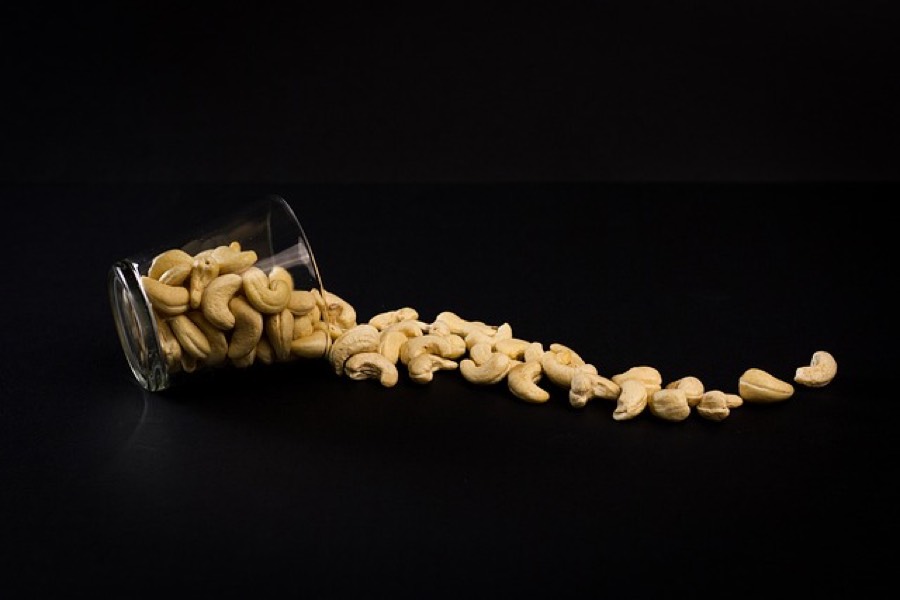
Cashews are anti-inflammatory, and they are also the strangest nut in the bowl. There is no such thing as a raw cashew. The kernel grows hanging off the bottom of a fruit, sealed in a shell that holds a caustic oil from the same plant family as poison ivy. Every cashew sold has been steamed or roasted to get that shell off, including the ones labelled raw.
What comes out is a bare kernel with no skin. That matters, because in an almond or a walnut the papery skin is where most of the plant compounds sit, and a cashew has none. What it has instead is minerals and a fat that is largely the same kind that makes up olive oil. A small handful covers most of a day’s copper, which the body uses to build its own antioxidant enzymes, and a fifth of its magnesium. That is enough to keep cashews near the low end of the inflammation scale.
Cashews score 3 out of 10 on that scale, a step behind almonds and walnuts rather than level with them. They are the starchiest nut on the shelf, with half again as much carbohydrate as an almond and a quarter of the fibre, so a handful behaves more like a soft snack than a nut. Cashews are also the one tree nut left out of the US heart health claim that covers the others, and a daily portion for a month shifts neither blood fats nor blood pressure.
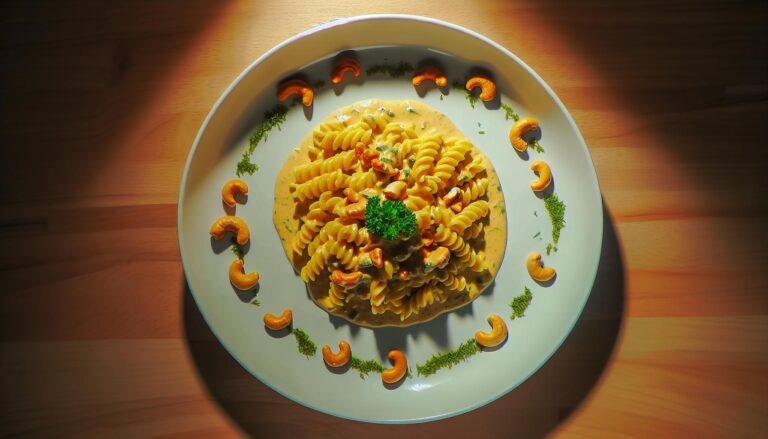
So buy them plain. Cashews are the nut most likely to reach you fried in oil, salted hard or glazed with honey. Soaked and blended they turn into the cream that stands in for dairy in most plant-based sauces, the one job no other nut does as well.

Cashews on the AIP diet
Cashews come out during the elimination phase of the Autoimmune Protocol, along with every other nut and seed. That one stings more than it sounds, because cashew cream is the standard dairy substitute outside AIP, and on the protocol coconut milk takes the job. Nuts return early in the reintroduction, but trial cashews on their own: reactions to them are common and can be sharp.
Benefits
- A small handful covers most of a day's copper, which the body uses to build antioxidant enzymes
- The fat is largely the same monounsaturated kind that makes up olive oil
- Soaked and blended they make the creamiest dairy-free sauce of any nut
- A quiet source of magnesium, which most people fall short of
Watch out for
- The starchiest nut on the shelf, with about a quarter of the fibre of an almond
- Cashew allergy is less common than peanut allergy, but the reactions are often severe
- Most are sold fried in oil and heavily salted, or glazed with honey
- Soft rather than crunchy, so they take less chewing and a bag empties fast
Frequently asked
Are cashews inflammatory?
No, cashews are anti-inflammatory, though they are the mildest of the tree nuts. The fat in them is largely the same kind that makes up olive oil, and a handful carries most of a day's copper along with a useful amount of magnesium. What changes the answer is how they reach you: fried in oil, salted hard or glazed with honey is a different food.
Are raw cashews really raw?
No, and they cannot be. The kernel grows inside a shell that holds a caustic oil related to poison ivy, so it has to be steamed or roasted before anyone can handle it safely. What a shop calls raw simply means it was not roasted a second time for flavour.
Are cashews as good as almonds?
Almonds have the edge. They carry more fibre and far more vitamin E, and their brown skin holds plant compounds a cashew does not have at all, because a cashew arrives with its skin already removed. Cashews win on copper, and they win in the blender, where nothing else turns as smooth.
Are cashews allowed on the AIP diet?
No, not during the elimination phase, which takes out every nut and seed. Cashews come back early in the reintroduction stage. Test them on their own rather than hidden in a sauce, because reactions to cashews are common enough to be worth spotting clearly.