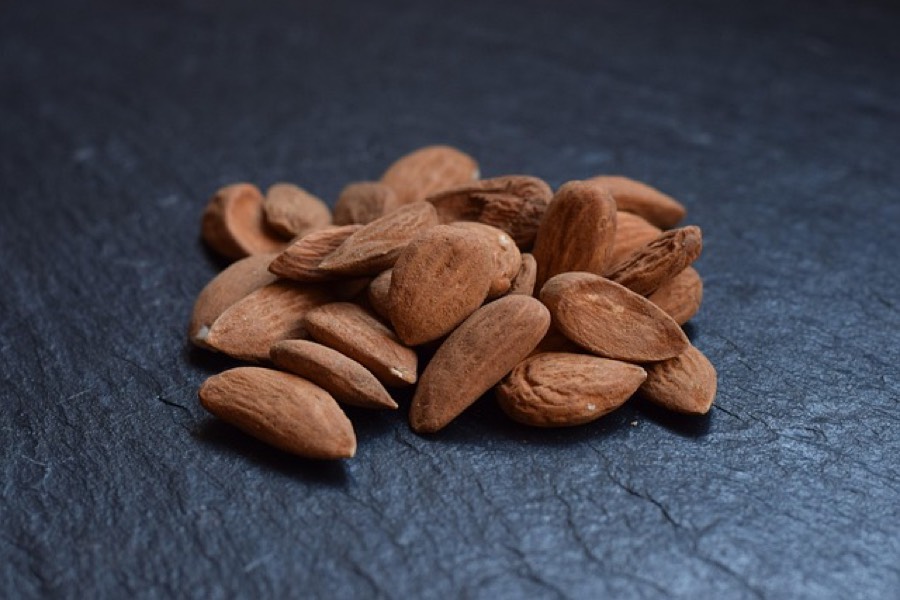
Raw whole almonds with their brown skins on a dark slate surface

Almonds

Anti-InflammatoryNuts & Seeds
Low
Inflammation Score
2/10
Anti-inflammatoryInflammatory
Serving size
1 small handful (28 g, about 23 nuts)
Key nutrients
Vitamin E (alpha-tocopherol)Proanthocyanidins (in the skin)MagnesiumRiboflavin (B2)
How often
Daily, one small handful, plain and unblanched

Why almonds are anti-inflammatory

Almonds are anti-inflammatory, and part of the reason is that you never get all of one. The fat inside an almond is locked into rigid plant cells, and chewing only breaks open the ones at the surface. A good share of it stays where it is. So a handful of whole almonds hands over fewer calories than the bag claims.

What escapes digestion does not go to waste. It carries on down to the colon along with the fibre and feeds the bacteria that live there, and that is a large part of why almonds sit near the bottom of the inflammation scale. The thin brown coat does the rest of the work. Almost all of the plant compounds in an almond are in that skin, and blanching is the first thing that happens to a nut on its way to becoming flaked, slivered or ground.

An almond is also the densest everyday source of vitamin E, the antioxidant that keeps the fat in your cell membranes from going rancid. A small handful covers about half a day of it.

Almonds score 2 out of 10 on the inflammation scale, and the form decides how much of that reaches you. Chop them, grind them into butter or mill them into flour and those cells are already broken, so more of the fat and more of the calories come out. That does not make almond butter a bad food. It makes it a different one. What genuinely undoes an almond is the coating: honey roasting, heavy salt, chocolate. Buy them plain, keep the skins on and stop at a small handful, around 23 nuts. Eaten daily for six weeks, that is enough to move the inflammation markers in a blood test, without anyone losing weight.

Almonds on the AIP diet

Almonds come out during the elimination phase of the Autoimmune Protocol, along with every other nut and seed. Almond flour and almond butter go with them, which is what makes AIP baking awkward at first: coconut flour and cassava flour take over. Almonds usually come back in the first rounds of reintroduction, and a few plain ones with the skins on make a clean test.

Benefits

  • Much of the fat stays locked inside the nut, so fewer calories reach you than the label says
  • The densest everyday source of vitamin E, the antioxidant that protects your cell membranes
  • The brown skin holds the plant compounds, so unblanched almonds beat pale ones
  • A daily handful for six weeks moved inflammation markers, with no weight lost

Watch out for

  • Ground into flour or butter the cells are already broken, so more of the fat comes out
  • One of the most common tree nut allergies, and a severe one
  • Honey roasted, salted or chocolate coated almonds are a sweet, not a nut
  • Easy to eat half a bag without noticing, at 160 calories a handful

Get the inflammation score of any meal

Just snap a photo or describe your food to get its inflammation score and uncover hidden patterns that may be affecting your well-being.

Download on the App StoreGet it on Google Play
InflammaScan app

Frequently asked

Are almonds inflammatory?

No, almonds are anti-inflammatory. Much of their fat never gets released from the plant cells holding it, so it travels on to feed the bacteria in your gut, and the thin brown skin brings the plant compounds. What changes the answer is the coating: honey roasted, salted or chocolate covered almonds are a different food.

Should you eat almonds with the skin on?

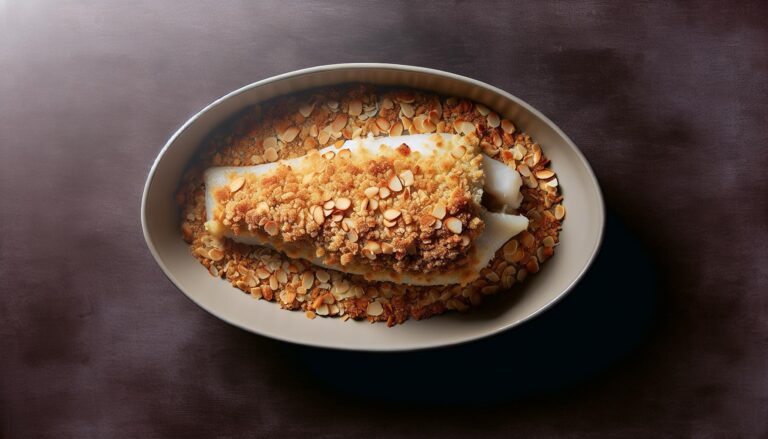
Yes, if you can. Almost all of the plant compounds in an almond sit in that thin brown coat, and blanching takes it off. Flaked, slivered and most baking almonds have been blanched. Plain whole almonds have not, which makes it the cheapest upgrade there is.

Is almond butter as good as whole almonds?

It is still a good food, but it is not the same one. Grinding breaks open the cells that hold the fat, so more of it, and more of the calories, get absorbed. Whole almonds also take longer to eat, which matters more than it sounds. Check the jar for added sugar and hardened oil.

Are almonds allowed on the AIP diet?

No, not during the elimination phase, which removes every nut and seed. That takes almond flour and almond butter with them. Nuts are usually among the first foods tried again once symptoms settle, and plain almonds are a sensible one to start with.

The easiest way to follow an anti-inflammatory diet.

Identify inflammatory foods in seconds, log your symptoms and discover what’s inflaming you. Includes hundreds of recipes.

Download on the App StoreGet it on Google Play
InflammaScan app