Honey
Where honey sits on the inflammation scale
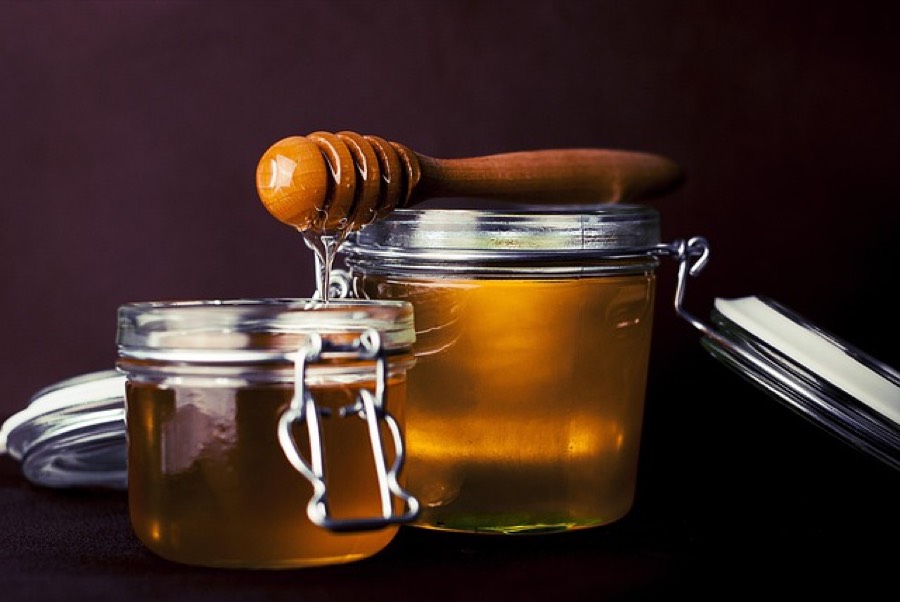
Honey is only partly anti-inflammatory, because it is two things at once. About four fifths of it is sugar, which behaves inside you like any other sugar. The rest carries flavonoids and phenolic acids, plant compounds that table sugar has none of and that help the body deal with cell damage.
Across the clinical trials done on people, honey came out better than the sweeteners it replaced, especially for blood sugar control. A later review looked at the dose and found the limit. At around ten grams a day, roughly a heaped teaspoon, long-term blood sugar improved a little. Several other measures moved the wrong way at that dose, including the inflammation marker in a blood test. That is why honey scores 4 out of 10 on the inflammation scale: the benefit is real, and it does not survive a heavy hand.
Most supermarket honey is heated and filtered, which strips out much of what separates it from syrup. If you are eating honey for anything beyond the taste, buy it raw and unfiltered.
Honey works best where it replaces another sweetener instead of adding one. A teaspoon in your tea is a different food from a drizzle over everything. Never give it to a baby under one year old, because it can carry bacterial spores that a baby’s gut cannot deal with.

Honey on the AIP diet
Honey is allowed on the Autoimmune Protocol, and it is one of the few sweeteners that survives the elimination phase alongside maple syrup and molasses. The catch is the amount: AIP keeps it as an occasional teaspoon, not a daily habit, because the sugar itself is what feeds the symptoms people are trying to calm.
Benefits
- Raw honey carries flavonoids and phenolic acids that table sugar has none of
- Across the human trials done so far, the effects on blood sugar control and heart health leaned positive
- Better evidence than most cough syrups for settling a night-time cough in children over one
- Tastes sweeter than sugar spoon for spoon, so you need less of it
Watch out for
- Still about four fifths sugar, and your body treats that part like any other sugar
- At around a spoonful a day, some measures move the wrong way, including the inflammation sign
- Most supermarket honey is heated and filtered, which strips out much of what makes it worth eating
- Never give honey to a baby under one year old
Frequently asked
Is honey anti-inflammatory?
Partly. Raw honey brings plant compounds that table sugar does not have, and those do help the body handle cell damage. But honey is still about four fifths sugar, and the sugar pushes the other way. It is the best of the sweeteners rather than a food that calms inflammation on its own.
Is honey better than sugar?
Slightly, yes. You get the plant compounds, and honey tastes sweeter spoon for spoon so you tend to use less. The trap is swapping sugar for honey and then using more of it, which puts you back where you started.
Does raw honey really make a difference?
It does. Heating and heavy filtering strip out most of the compounds that separate honey from syrup. If you are buying honey for anything other than the taste, look for raw and unfiltered.
Is honey allowed on the AIP diet?
Yes, in small amounts. It is one of the few sweeteners the Autoimmune Protocol keeps through the elimination phase, but it is meant as an occasional teaspoon rather than something you reach for every day.
Anti-inflammatory recipes with Honey

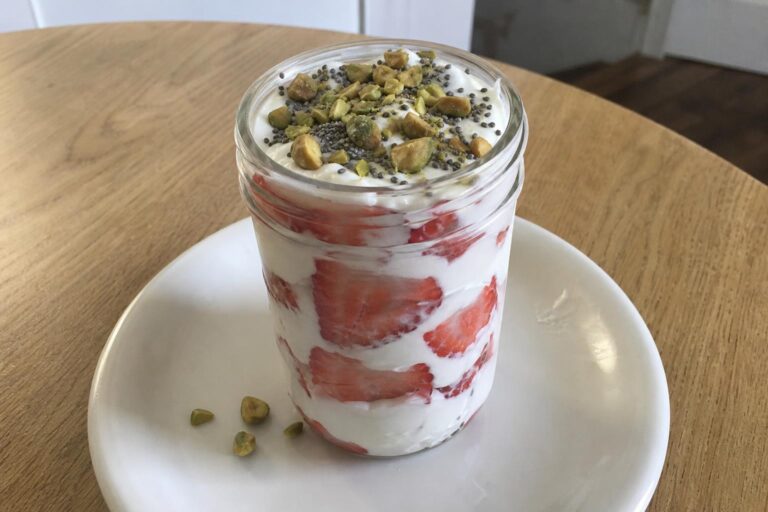
Strawberry Pistachio Yogurt Parfait Recipe

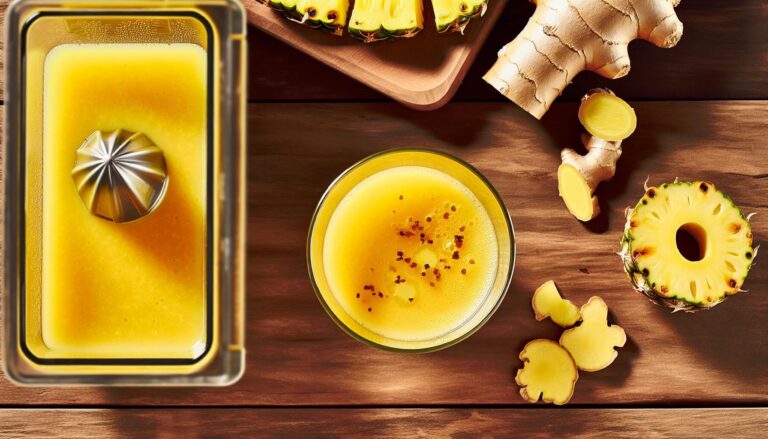
Fresh Ginger Pineapple Juice Recipe

Coconut Lime Energy Balls Recipe

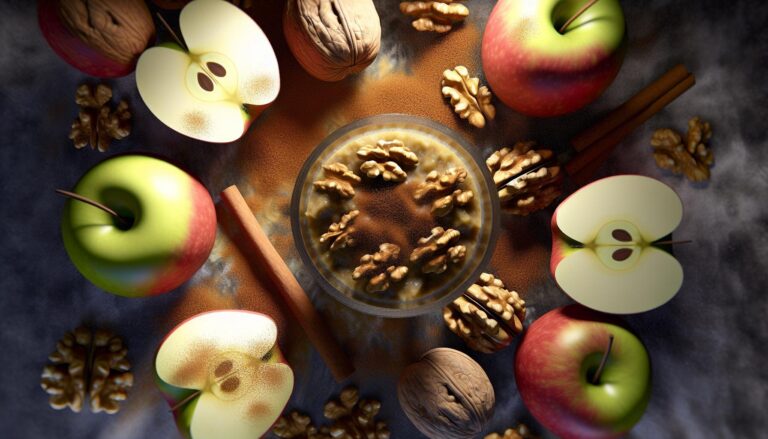
Apple Walnut Cinnamon Smoothie Recipe

Golden Turmeric Breakfast Muffins Recipe