Green Tea
Why green tea fights inflammation
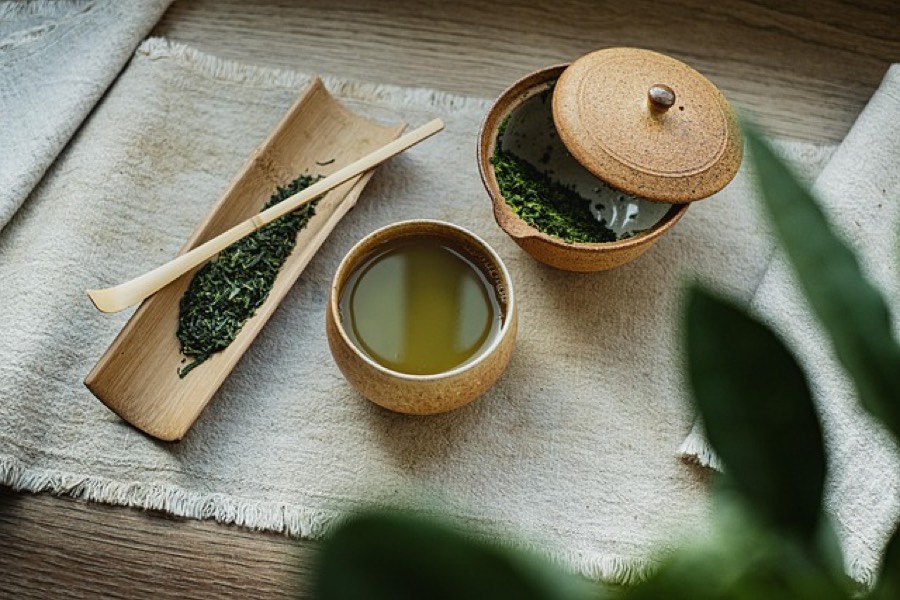
Green tea is widely considered a powerful anti-inflammatory, and the reason is a family of plant compounds called catechins. Green tea leaves are steamed or pan-fired within hours of picking. That stops them browning the way black tea leaves do, and it keeps far more of those compounds intact. Same plant, different handling. That is the whole difference between the two.
The research on green tea isn’t as clear-cut as its reputation, and that’s worth knowing. When scientists looked at several studies in adults, green tea did help the body’s own defences against cell damage. But it made almost no difference to the signs of inflammation that doctors measure in a blood test. Things look different, though, in people who already have a lot of inflammation. For example, in studies of people with type 2 diabetes, green tea lowered the main sign of inflammation. So green tea doesn’t work like a medicine. It works like what it is, a drink that helps most when there’s actually a problem to fix.
How you drink it decides a good part of the benefit. Two to three cups a day is the range most of the research uses, and it works hardest as a swap. Every cup of green tea is a soft drink or a sweetened coffee you did not have. Two things to watch. The concentrated extracts sold for weight loss are not the same thing as the drink, and high doses have been linked to liver damage. And the tannins in tea block iron absorption, so if your iron runs low, leave an hour between your tea and your meals.

Green Tea on the AIP diet
Green tea is allowed on the Autoimmune Protocol, elimination phase included. AIP cuts coffee because the coffee bean is a seed, but tea comes from a leaf, so it stays alongside herbal teas. The usual advice is to keep it moderate and drink it early in the day, since the caffeine can add to the sleep problems many people with autoimmune conditions already have.
Benefits
- One of the richest everyday sources of catechins, the plant antioxidants that survive because the leaves are never left to brown
- Strengthened the body's own antioxidant defences across 38 pooled trials in adults
- Brought down the main inflammation marker in a blood test in people with type 2 diabetes
- No sugar and no calories: every cup replaces a drink that would work against you
- Allowed on the AIP diet in every phase, which coffee is not
Watch out for
- In people who are already healthy, trials mostly show no change in blood inflammation markers; the effect turns up when inflammation is high to begin with
- Green tea extract supplements are not the same as the drink — high doses have been linked to liver damage
- The tannins in tea block iron absorption, so keep it away from meals if your iron runs low
- Still caffeinated, at roughly a third of a coffee per cup, which is enough to cost some people sleep
Frequently asked
Is green tea inflammatory?
No. It is one of the most concentrated everyday sources of catechins, the plant antioxidants tea is known for, and in people with raised inflammation it has been shown to bring the main blood marker down. What makes a green tea inflammatory is what gets added to it: many bottled versions are closer to a soft drink than to tea.
How many cups a day?
Two to three is where most of the research sits. There is no need to push past that. More cups mostly means more caffeine, and lost sleep works against you.
Is matcha better than regular green tea?
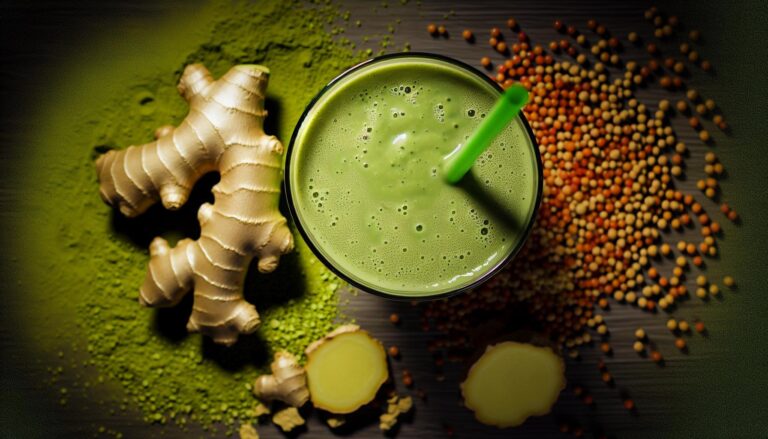
Matcha is the whole leaf ground to powder, so you swallow it instead of steeping it and throwing the leaves away. That means more catechins per cup. Brewed green tea is not far behind and costs a fraction of the price.
Is green tea allowed on the AIP diet?
Yes, in every phase. AIP removes seeds, which is why coffee goes, but tea comes from a leaf. Keep it moderate and early in the day if caffeine affects your sleep.