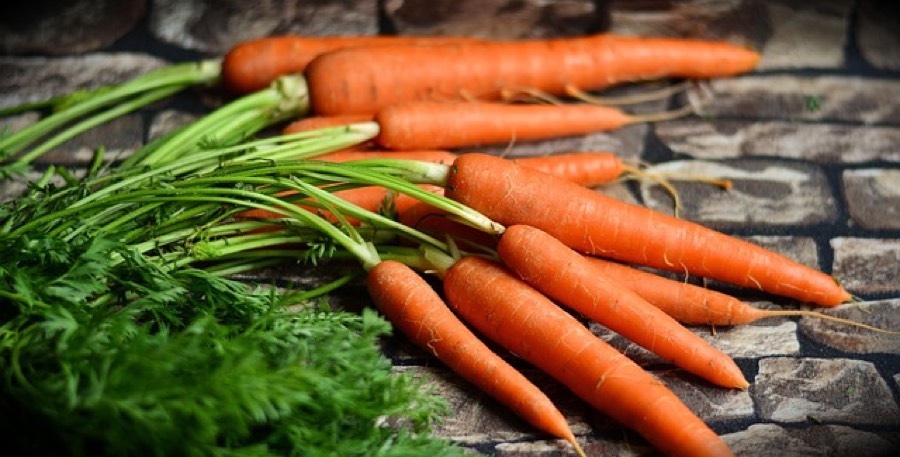
A bunch of fresh whole carrots with their green tops on a stone surface

Carrots

Anti-InflammatoryVegetables
Low
Inflammation Score
2/10
Anti-inflammatoryInflammatory
Serving size
1 cup chopped (128 g)
Key nutrients
Beta-caroteneAlpha-caroteneFalcarinolFiber
How often
Most days, cooked with a little oil or grated raw into a salad

Why carrots are anti-inflammatory

Carrots are anti-inflammatory, and the colour is the short version of why. Orange means beta-carotene, an antioxidant that works against the cell damage behind slow, low-level inflammation. Your body also turns part of it into vitamin A, and only as much as it needs.

A raw carrot hides most of that pigment. It sits locked inside thick cell walls your gut cannot break open, so a good share of it passes straight through you. Heat softens those walls, and beta-carotene needs fat to cross into your blood. So a carrot cooked with a little olive oil gets far more of the pigment into you than the same one eaten raw and dry. That runs against what people expect of a vegetable, where raw is usually the version that counts.

The pigment is not the whole story either. Carrots also carry a group of bitter-tasting compounds called polyacetylenes, sitting mostly just under the skin, and they act on inflammation in their own right. It is worth knowing, because beta-carotene sold on its own in a pill has not matched what the vegetable does. Scrub your carrots instead of peeling them and you keep more of both.

Most of what goes wrong with carrots happens after they leave the fridge. Carrot cake is a cake. Glazed carrots are sugar. Juice does get a lot of the pigment through at once, but it leaves the fibre behind and goes down like a sweet drink.

Carrots on the AIP diet

Carrots are allowed on the Autoimmune Protocol from the first day of the elimination phase. A carrot is a root vegetable, so it sits clear of the grains, legumes, nuts, seeds, nightshades and dairy that come out. They also earn their place: with bread, rice and pasta gone, roasted carrots are one of the few sweet things left that still count as a vegetable.

Benefits

  • Beta-carotene, the orange pigment, is an antioxidant your body also turns into vitamin A
  • Cooking them with a little oil gets far more of that pigment into you
  • They also carry polyacetylenes, compounds that act on inflammation in their own right
  • Cheap all year round, and a bag keeps for weeks in the fridge

Watch out for

  • Eaten raw and dry, a good share of the pigment passes straight through you
  • Carrot cake and glazed carrots are mostly sugar with a vegetable in them
  • Juice leaves the fibre behind and goes down like a sweet drink
  • Eating a lot of them for weeks can turn your palms slightly orange

Get the inflammation score of any meal

Just snap a photo or describe your food to get its inflammation score and uncover hidden patterns that may be affecting your well-being.

Download on the App StoreGet it on Google Play
InflammaScan app

Frequently asked

Are carrots inflammatory?

No, carrots are anti-inflammatory, and they score 2 out of 10 on the inflammation scale. The orange pigment, beta-carotene, works against the cell damage behind slow, low-level inflammation.

Are raw or cooked carrots better?

Cooked, which surprises people. Heat softens the cell walls that keep the pigment locked away, and a little oil in the same meal is what carries it into your blood. Raw carrots are still a good snack, they just hand you less.

Should you peel carrots?

Scrub them instead. The skin and the layer right under it hold the bitter-tasting compounds that do part of the work, and peeling takes both off.

Can you eat carrots on the AIP diet?

Yes, in every phase including elimination. A carrot is a root vegetable, not a grain, legume, nut, seed, nightshade or dairy.

The easiest way to follow an anti-inflammatory diet.

Identify inflammatory foods in seconds, log your symptoms and discover what’s inflaming you. Includes hundreds of recipes.

Download on the App StoreGet it on Google Play
InflammaScan app