Kale vs Spinach: Which Is Less Inflammatory?
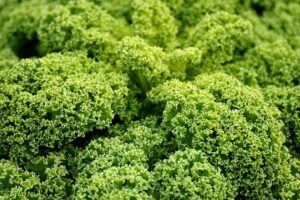
Kale
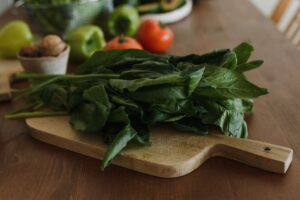
Spinach
Neither kale nor spinach is less inflammatory than the other: both score 1, the bottom of the inflammation scale. They trade places in a salad, a smoothie or a hot pan, so the question worth asking is not which leaf wins, but what each one brings that the other does not.
Kale rests on kaempferol, a flavonoid it supplies in bigger amounts than most everyday foods, and it adds the sulphur compounds of the cabbage family, released the moment you cut or chew a leaf. Kale is also low in oxalate, a plant acid that grabs hold of minerals, so the calcium in the leaf reaches your body instead of passing through.
Spinach answers with magnesium, a mineral most people fall short of, and with more vitamin K than almost any other food. People with plenty of vitamin K in their blood show less inflammation than people with little. Oxalate is the trade-off here: spinach is full of it, which is why the iron it is famous for mostly stays locked up, and why it is worth watching if you have ever had a kidney stone. Eat both across the week rather than choosing, and buy spinach frozen, which matches fresh for a fraction of what bagged leaves cost. If you take warfarin or another blood thinner, keep your portions steady from week to week instead of cutting these leaves out, because your dose is set against the vitamin K you normally eat.
Side by side
| Kale | Spinach | |
|---|---|---|
| Inflammation Score | Low · 1/10 | Low · 1/10 |
| Category | Vegetables | Vegetables |
| Serving size | 1 cup cooked (130 g) | 1 cup cooked (180 g) |
| Key nutrients | Kaempferol, Glucosinolates, Vitamin K, Vitamin C | Magnesium, Vitamin K, Lutein and zeaxanthin, Folate |
| How often | Most days, a big handful cooked fast or massaged with oil for a salad | Most days, a couple of handfuls wilted into whatever you are cooking |
On the AIP diet
Kale
Kale is allowed on the Autoimmune Protocol from the first day of the elimination phase. It is a leafy green in the cabbage family, and nothing about it belongs to the groups that come out: grains, legumes, nuts, seeds, nightshades or dairy. Watch the extras rather than the leaf. Kale salads from a deli counter often arrive with cashews, parmesan or a mustard dressing, and all three are out in that phase.
Spinach
Spinach is allowed on the Autoimmune Protocol from the first day of the elimination phase. None of the groups that come out in that phase covers a leafy green: not grains, legumes, nuts, seeds, nightshades or dairy. It matters more here than in an ordinary diet, because elimination takes away beans and nuts, which is where most people get their magnesium, and spinach is one of the few sources left standing.
What each one brings
Kale
- A rich everyday source of kaempferol, the flavonoid behind most of its anti-inflammatory reputation
- Cabbage-family sulphur compounds as well, released when you cut or chew a leaf
- Low in oxalate, unlike spinach, so the calcium it carries is actually absorbed
- Rich in vitamin C, and one serving carries several days' worth of vitamin K
Spinach
- One of the best plant sources of magnesium, a mineral most people fall short of
- More vitamin K than almost any food, and people with plenty of it show less inflammation
- A bag cooks down to two forkfuls, so a big portion fits any meal
- Frozen is as good as fresh and costs a fraction of the bagged leaves
Watch out for
Kale
- Its vitamin K interferes with warfarin and other blood thinners, so keep portions steady
- A long boil washes the flavonoids and sulphur compounds into the water
- Bagged kale chips are usually fried and salted, so treat them as a crisp
- Bottled green juices often carry a splash of kale behind cheaper fruit
Spinach
- High in oxalates, which matters if you have ever had a kidney stone
- Spinach is famous for its iron, but its own oxalate blocks most of what it carries
- Creamed spinach and spinach dip are mostly butter, cream cheese and mayonnaise
- Green wraps and spinach pasta carry a pinch of powder for the colour, no more
Get the inflammation score of any meal
Just snap a photo or describe your food to get its inflammation score and uncover hidden patterns that may be affecting your well-being.