Olive Oil vs Vegetable Oil: Which Is Less Inflammatory?
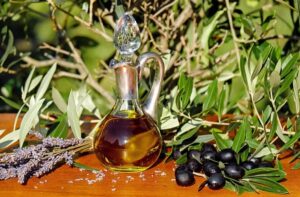
Olive Oil
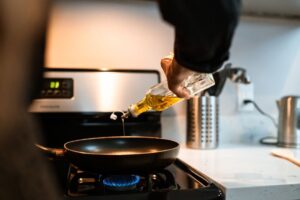
Vegetable Oil
Olive oil is less inflammatory than vegetable oil, and it is not close: olive oil is anti-inflammatory and vegetable oil sits near the top of the inflammation scale. Both are the bottle you reach for to fry, to roast or to dress a salad, so this is one swap you can make without learning anything new in the kitchen.
Vegetable oil has two problems. The first is the label, which names no single oil, so the blend inside can be soybean, rapeseed, sunflower or corn, and it can change from batch to batch. The second is refining, which strips out nearly all of the plant compounds the seed came with and leaves fat with almost nothing protective attached. Most of this oil also reaches people as fried food, and fried food raises the inflammation markers a doctor measures in a blood test.
Extra virgin olive oil skips the refining step. It is pressed from a fruit and bottled as it comes, so its plant compounds stay in. One of them, oleocanthal, gives a good oil its peppery sting at the back of the throat, and it blocks some of the same enzymes as ibuprofen. In pooled trials, olive oil also improved insulin levels and how well the body handled blood sugar. When your vegetable oil runs out, replace it with extra virgin in a dark bottle, and store it in a cupboard rather than next to the hob, because heat and light break those compounds down.
Side by side
| Olive Oil | Vegetable Oil | |
|---|---|---|
| Inflammation Score | Low · 1/10 | High · 7/10 |
| Category | Oils & Fats | Oils & Fats |
| Serving size | 1 tbsp (14 g) extra virgin | 1 tbsp (14 g) |
| Key nutrients | Oleocanthal, Hydroxytyrosol, Oleic acid, Vitamin E | Linoleic acid (omega-6), Oleic acid, Vitamin E (tocopherols), Alpha-linolenic acid |
| How often | Daily, 1-2 tbsp, most of it raw | — |
On the AIP diet
Olive Oil
Olive oil is allowed on the Autoimmune Protocol in every phase, elimination included. It comes from a fruit rather than a seed, which is exactly why it survives the cull that removes sunflower, sesame, canola and the other seed oils. In practice it becomes the default fat of an AIP kitchen alongside coconut oil and avocado oil, so it is worth spending a little more on a bottle you actually enjoy.
Vegetable Oil
Vegetable oil is not allowed during the elimination phase of the Autoimmune Protocol. The protocol removes every seed and every seed oil, and soybean, rapeseed, sunflower and corn are all seeds. Refining leaves almost none of the seed protein in the bottle, so these oils are often reintroduced without trouble later on. Until then, olive oil and avocado oil cover the same jobs in a kitchen.
What each one brings
Olive Oil
- Contains oleocanthal, behind the peppery sting, which blocks the same enzymes as ibuprofen
- Improved insulin levels and how well the body handles blood sugar in pooled trials
- Rich in oleic acid and vitamin E, and stands up to a hot pan better than most oils
- Takes the place of butter and refined seed oils, so every spoonful replaces something worse
Vegetable Oil
- Neutral in flavour and stable enough for high-heat cooking
- Mostly unsaturated fat, unlike butter, lard and the other solid fats
- Carries vitamin E, which protects fats in the body from oxidising
- Rapeseed-based blends bring some alpha-linolenic acid, a plant omega-3
Watch out for
Olive Oil
- In trials on mostly healthy adults, the inflammation markers did not change much
- Light, pure and refined olive oil have had the protective compounds stripped out
- Calorie dense at roughly 120 calories a tablespoon, so it adds up faster than people expect
- Heat, light and time destroy the phenols, so a clear bottle by the hob is the worst place
Vegetable Oil
- Refining strips out most of the plant compounds an unrefined oil carries
- Reaches most people as fried food, which does raise inflammation markers
- Breaks down into aldehydes when heated, and reusing the oil concentrates them
- The label names no single oil, so the blend can change between batches
Get the inflammation score of any meal
Just snap a photo or describe your food to get its inflammation score and uncover hidden patterns that may be affecting your well-being.