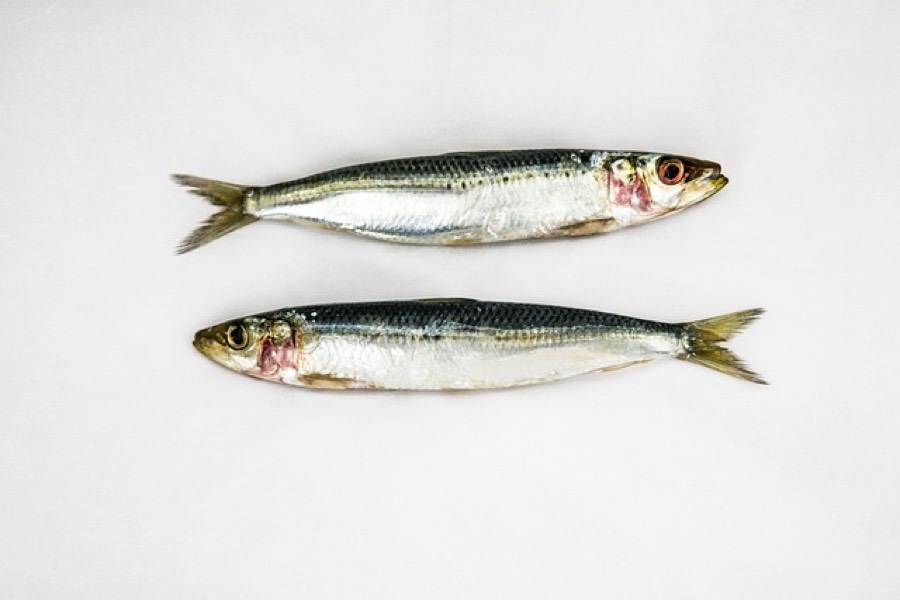
Two fresh raw sardines on a plain white background

Sardines

Anti-InflammatoryFish & Seafood
Low
Inflammation Score
1/10
Anti-inflammatoryInflammatory
Serving size
1 tin (92 g) drained
Key nutrients
EPA & DHA omega-3Vitamin DCalcium (from the bones)Selenium
How often
Two or three tins a week

Why sardines are anti-inflammatory

Sardines are anti-inflammatory, and the reason is the fat packed into such a small fish. Those omega-3 fats, EPA and DHA, get built into the membrane that wraps every cell in your body. Your body makes its inflammation signals out of the fat it finds there, and the signals it builds from omega-3 are milder.

Eating the fish is what gets those fats into you. In one trial, adults who ate a tin of sardines five days a week for six months ended up with far more omega-3 in their blood. The rest is less settled, because most of what is claimed for sardines rests on their nutrients rather than on trials of the fish itself.

Size helps too. Mercury builds up in fish that hunt other fish over many years, and sardines do neither: they feed on plankton and are caught young. The fats only help while you keep eating them, and sardines are the oily fish you can eat most often.

Almost all sardines come in tins, and the liquid is what changes from one tin to the next. Olive oil and water leave the fish alone. Sunflower and soybean oil add linoleic acid, an omega-6 fat that competes with omega-3 for the same enzymes, and that works against the fats you opened the tin for.

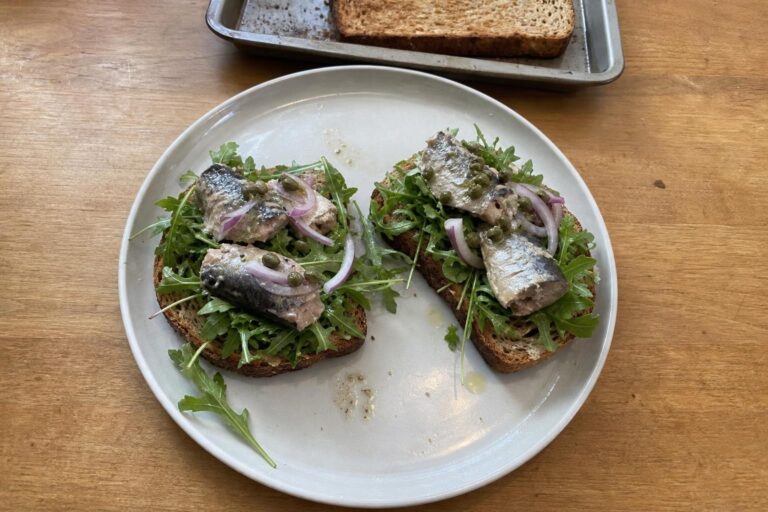
The bones soften in the tin until they crush under a fork, so there is nothing to pick out. Rinse the fish if you eat it often, because even a plain tin is salty. Sardines on toast with lemon need no cooking at all.

Sardines on the AIP diet

Sardines are allowed on the Autoimmune Protocol from day one, elimination phase included, so there is nothing to reintroduce later. The tin is what needs checking. Water and olive oil are fine. Sunflower and soybean oil are out, tomato sauce is a nightshade, and chilli or mustard seasonings are out during elimination. Plain sardines with fish, oil and salt on the label are the safe buy.

Benefits

  • More omega-3 in a tin than most fish on the counter
  • Very little mercury, because the fish is small and caught young
  • Soft bones you can eat, which is where the calcium is
  • One of the few foods with useful amounts of vitamin D

Watch out for

  • Tinned in sunflower or soybean oil, they come with a lot of omega-6
  • Sauces and smoked versions add salt and sugar
  • Salt is high even in plain tins, so rinse them
  • High in purines, which matters if you get gout

Get the inflammation score of any meal

Just snap a photo or describe your food to get its inflammation score and uncover hidden patterns that may be affecting your well-being.

Download on the App StoreGet it on Google Play
InflammaScan app

Frequently asked

Are sardines inflammatory?

No. Sardines are an oily fish, and the omega-3 fats they carry work against inflammation rather than for it. They are also small and short-lived, so they pick up very little mercury, which is what limits how often you can eat the bigger oily fish.

Are tinned sardines as good as fresh ones?

Yes, for the fats. Canning does not destroy the omega-3, and it softens the bones enough to eat them. What you are choosing is the liquid: olive oil or water rather than sunflower or soybean oil, and plain rather than in sauce.

How many sardines can I eat in a week?

Two or three tins a week suits most people, and there is no reason to space them out, because the mercury in a small fish is low. Salt is the thing to watch, so rinse them if you eat them often.

Are sardines allowed on the AIP diet?

Yes, in every phase, elimination included. Read the tin: water and olive oil are fine, seed oils are not, tomato sauce is a nightshade, and chilli or mustard seasonings are out during elimination.

The easiest way to follow an anti-inflammatory diet.

Identify inflammatory foods in seconds, log your symptoms and discover what’s inflaming you. Includes hundreds of recipes.

Download on the App StoreGet it on Google Play
InflammaScan app