Bone Broth
Why bone broth is anti-inflammatory
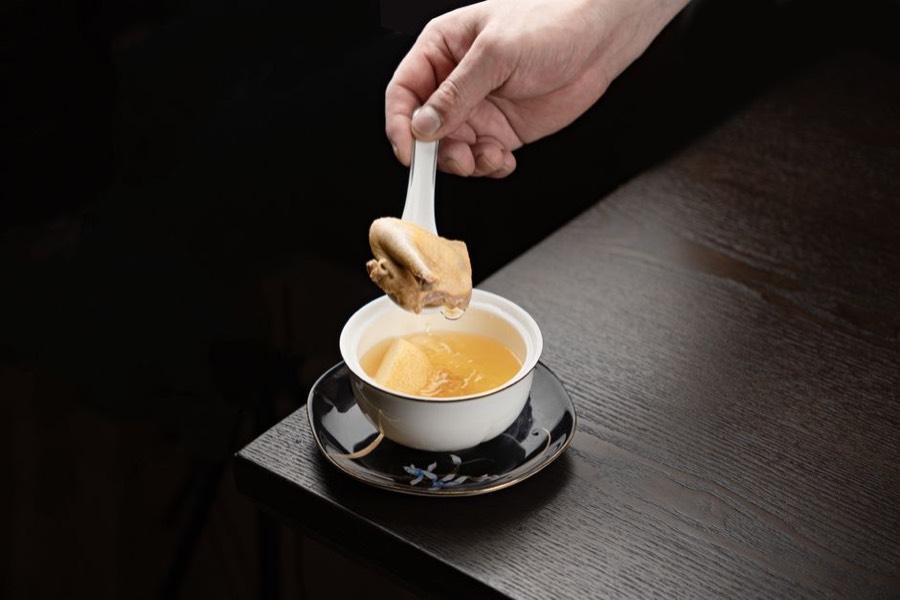
Bone broth is anti-inflammatory, and it is made by simmering animal bones and joints in water for several hours. As they cook, some of their connective tissue breaks down into gelatin. Gelatin contains glycine, an amino acid that researchers have studied for its possible role in reducing inflammation.
But research on glycine supplements does not prove that drinking bone broth has the same effect. The amount of glycine in broth varies, and it may be much lower than the doses used in studies.
Broth also contains glutamine, an amino acid used by the cells lining your gut. This lining helps keep bacteria and other unwanted substances from entering your bloodstream. However, that does not mean bone broth has been shown to repair the gut lining or prevent inflammation.
If you buy broth, check the ingredients and salt content. Products vary: some are made with bones, while others rely mainly on flavourings. Broth that turns jelly-like in the fridge contains enough gelatin to set, but this alone does not tell you how healthy it is.
To make it at home, cover a chicken carcass or beef knuckles with water and simmer gently for about six hours. Divide it into small portions and freeze what you will not use soon.

Bone Broth on the AIP diet
The Autoimmune Protocol does not merely permit bone broth, it leans on it: broth is one of the staples of the elimination phase. Nothing on the removal list applies, since it is not a grain, legume, nut, seed, nightshade or dairy. Make your own, though. Shop-bought stock tends to carry yeast extract, sugar or seed spices, and black pepper stays out of an AIP pot.
Benefits
- Rich in glycine, which turns down the immune signals behind slow inflammation
- Carries glutamine, the fuel the cells lining your gut run on
- A staple of the AIP elimination phase, not just something allowed in it
- Made from carcasses and bones, so a big batch costs almost nothing
Watch out for
- Most cartons sold as broth or stock are water, salt and flavouring
- Even homemade broth is salty, which matters if you count salt
- Stock cubes are a seasoning, not a food, whatever the label says
- Despite the bones, it is a poor source of calcium
Frequently asked
Is bone broth anti-inflammatory?
Yes. Simmering bones and joints dissolves their connective tissue into gelatin, which is rich in glycine, and glycine turns down the immune signals behind slow, low-level inflammation. Broth also carries glutamine, the fuel the cells lining your gut run on, and a gut wall in good repair keeps bacteria from leaking into the blood and setting the immune system off.
What is the difference between bone broth and stock?
Time, mostly. Stock simmers for a couple of hours, bone broth for six or more, which is long enough to pull the gelatin out of the joints. The test is the fridge: bone broth sets into a wobble as it cools, and stock stays liquid.
Is shop-bought bone broth as good as homemade?
Usually not. A lot of what is sold in cartons is water, salt and flavouring that never went near a bone. Check that it gels in the fridge, read the salt on the label, and compare the price with a bag of carcasses.
Can you drink bone broth on the AIP diet?
Yes, in every phase including elimination, and the protocol leans on it. Make it yourself if you can, since shop-bought stock tends to carry yeast extract, sugar or seed spices. Leave the black pepper out of the pot.
Anti-inflammatory recipes with Bone Broth

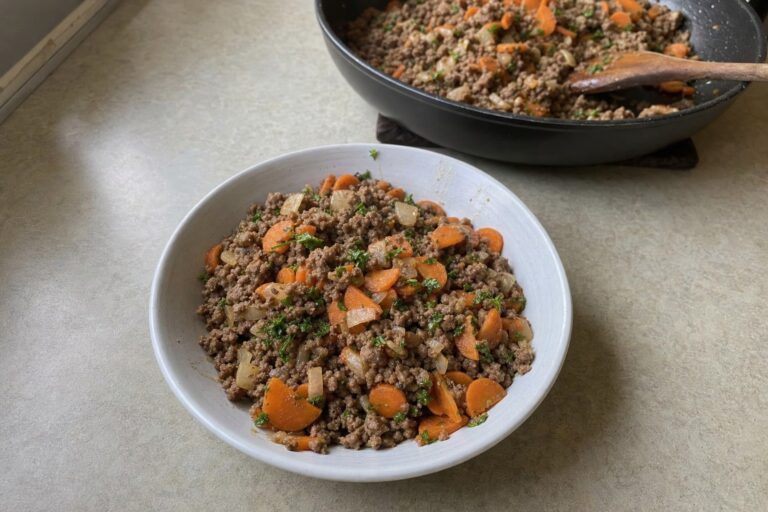
Ground Beef and Carrot Skillet with Oregano Recipe

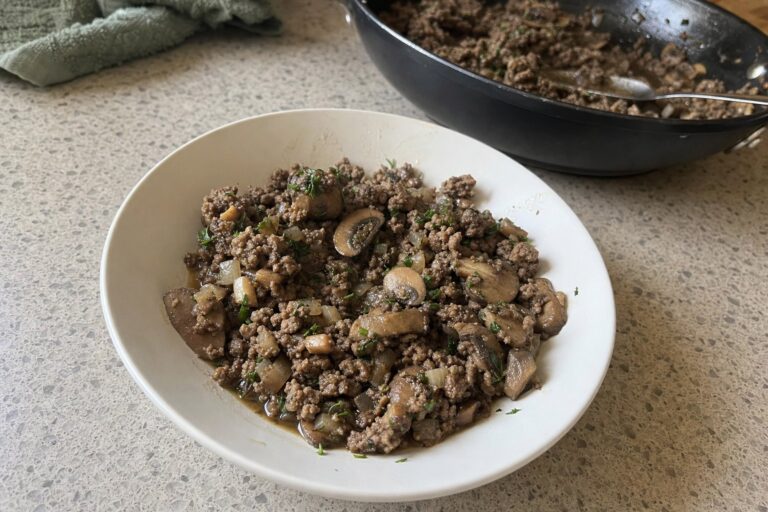
Beef and Mushroom Skillet with Thyme Recipe

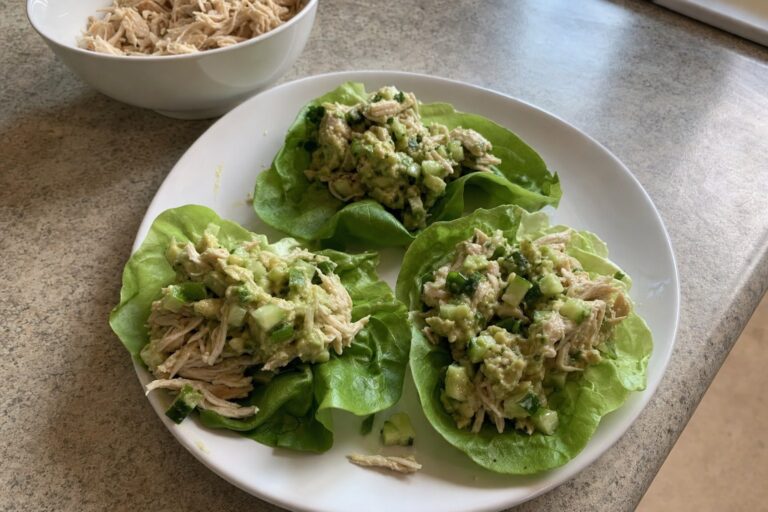
Shredded Chicken and Avocado Lettuce Wraps Recipe

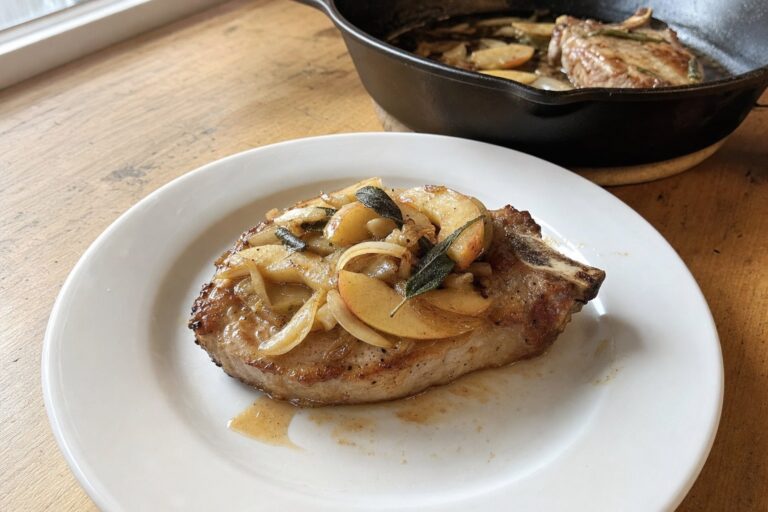
Pan-Fried Pork Chops with Apple and Sage Recipe