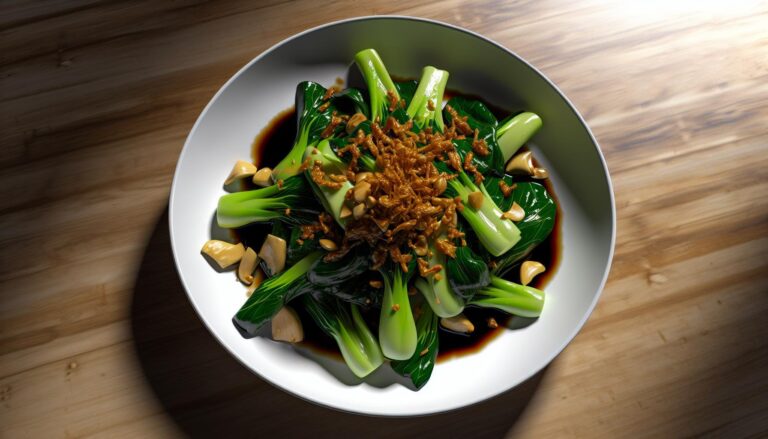
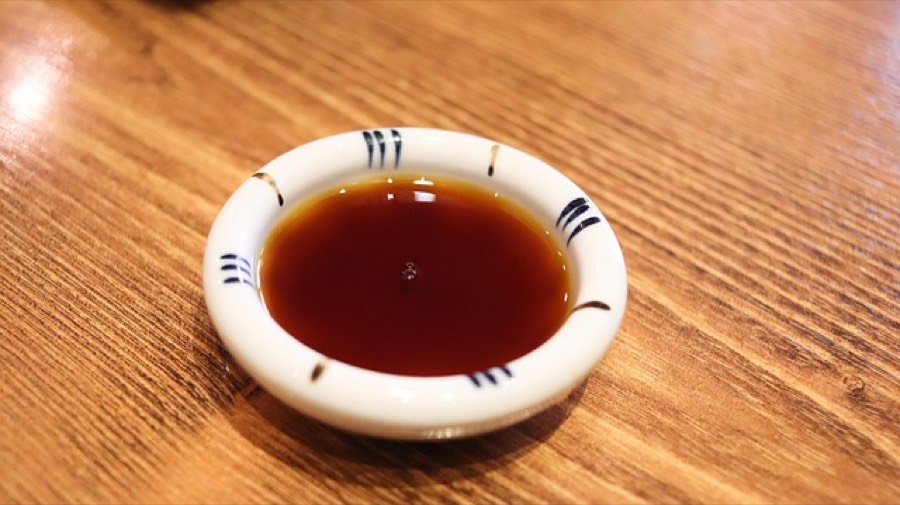
A small ceramic dish of dark soy sauce on a wooden table

Soy Sauce

ModerateCondiments
Medium
Inflammation Score
6/10
Anti-inflammatoryInflammatory
Serving size
1 tbsp (16 g)
Key nutrients
Sodium (about 900 mg a tbsp)Gluten (wheat protein)Melanoidins (brewing pigments)Glutamate (umami)
How often
A teaspoon or two at a time, not a pour over the whole pan

Where soy sauce sits on the inflammation scale

Soy sauce is mildly inflammatory. The reason is how much salt it carries: one tablespoon contains about 900 mg of sodium, more than a third of the amount recommended for a whole day. It is made by fermenting soybeans and roasted wheat with salt for several months.

Salt in that quantity is why soy sauce scores 6 out of 10 on the inflammation scale. A high-salt diet raises blood pressure, and over time high blood pressure damages the lining of the blood vessels, a process that involves inflammation. There is also evidence that a high salt intake activates some of the immune cells involved in inflammation. In one study, adults with high blood pressure who reduced the salt in their cooking for a month lowered their readings.

Standard soy sauce also contains gluten, because it is brewed with wheat. For someone with coeliac disease, whose immune system reacts to gluten, even a small amount can trigger a reaction. Tamari is a version brewed without wheat. Brewed soy sauce contains dark pigments formed during fermentation as well, which are thought to have some antioxidant effect; this is one reason it does not score higher.

Check how the sauce was made. Traditionally brewed soy sauce lists soybeans, wheat, salt and water. Cheaper versions are made in days by breaking down soybean protein with acid, and they do not develop the same fermentation compounds. Reduced-salt versions cut about 40% of the sodium, and teriyaki, hoisin and kecap manis are soy sauce with added sugar.

Use soy sauce as a dip or add it at the table rather than pouring it into the pan, so you control the amount.

Soy Sauce on the AIP diet

Soy sauce is not allowed on the Autoimmune Protocol. The elimination phase takes out soy and every grain, and soy sauce is both in one bottle: fermented soybeans and roasted wheat. Months of brewing do not rescue it. Coconut aminos, made from coconut sap and salt, is the usual stand-in and tastes close enough that most people stop missing it. Tamari solves the wheat but not the soy.

Benefits

  • Months of fermenting build dark compounds that work against cell damage
  • A teaspoon carries enough savoury depth to season a whole pan
  • Tamari tastes the same and is brewed without wheat, so coeliacs are not shut out
  • Reduced-salt versions cut around 40% of the sodium and taste close to the original

Watch out for

  • One tablespoon holds more than a third of a whole day's sodium
  • Salt at that level raises blood pressure, and vessels under pressure stay inflamed
  • Standard soy sauce is brewed with wheat, so it contains gluten
  • Cheap bottles are split with acid in days instead of brewed for months

Get the inflammation score of any meal

Just snap a photo or describe your food to get its inflammation score and uncover hidden patterns that may be affecting your well-being.

Download on the App StoreGet it on Google Play
InflammaScan app

Frequently asked

Is soy sauce inflammatory?

Mildly, and the salt is nearly all of it. One tablespoon holds more than a third of the sodium you should have in a day, and salt at that level pushes blood pressure up and leaves the vessels irritated. A few drops on a plate of food do very little. A bottle emptied over everything is a different question.

Does soy sauce contain gluten?

Usually, yes. Traditional soy sauce is brewed from roughly equal parts soybeans and roasted wheat, so gluten comes with it, and it is one of the commonest ways gluten reaches a meal that looked free of it. Tamari is brewed with little or no wheat, but check the label rather than the name.

Are coconut aminos better than soy sauce?

For salt, clearly. Coconut aminos are made from coconut sap and carry roughly two thirds less sodium, and there is no soy and no wheat in them, so they suit coeliacs and anyone on the Autoimmune Protocol. The flavour is milder and a little sweet, so you will use more of it.

Can I eat soy sauce on an anti-inflammatory diet?

Yes, in small amounts. Buy a naturally brewed bottle, take the reduced-salt one where there is a choice, and pour it into a dish for dipping instead of over the pan, which is where most of the salt goes unnoticed. The exception is the Autoimmune Protocol, which removes soy and grains during the elimination phase.

The easiest way to follow an anti-inflammatory diet.

Identify inflammatory foods in seconds, log your symptoms and discover what’s inflaming you. Includes hundreds of recipes.

Download on the App StoreGet it on Google Play
InflammaScan app