Shrimp
Why shrimp is anti-inflammatory
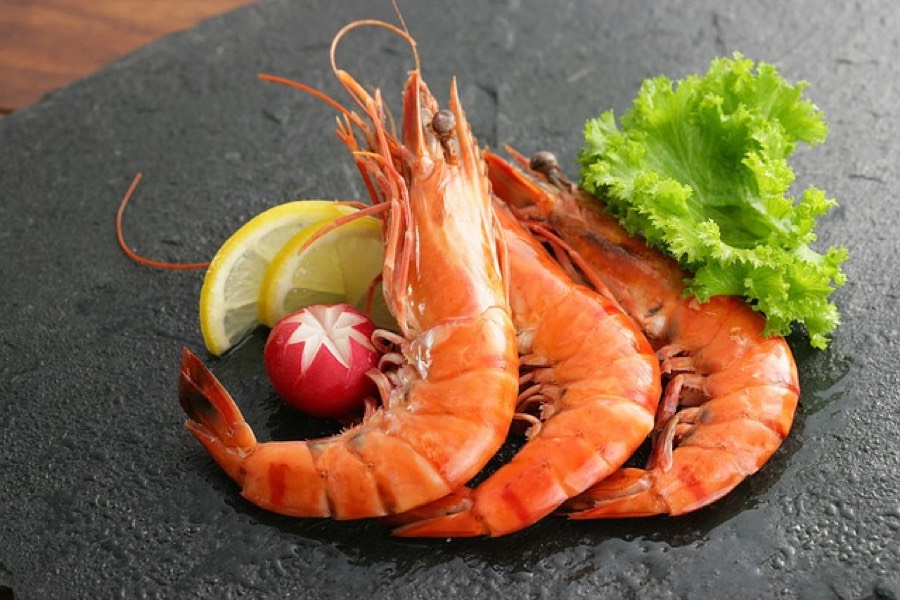
Shrimp is anti-inflammatory, and it is one of the leanest proteins you can put on a plate. A serving carries almost no saturated fat, which is the fat that pushes inflammation up across the rest of the meat aisle. It also carries a large amount of selenium and a red pigment called astaxanthin, the same antioxidant that turns salmon pink. Salmon still sits at a 1 on the inflammation scale and shrimp at a 3. The strongest anti-inflammatory part of seafood is the oil, and shrimp has very little of it.
Shrimp spent decades on the wrong list, and the reason was cholesterol. There is plenty of it in a serving. But the cholesterol you eat has far less say in your blood than the saturated fat you eat. The foods that do raise it tend to arrive loaded with that fat. Shrimp arrives without it.
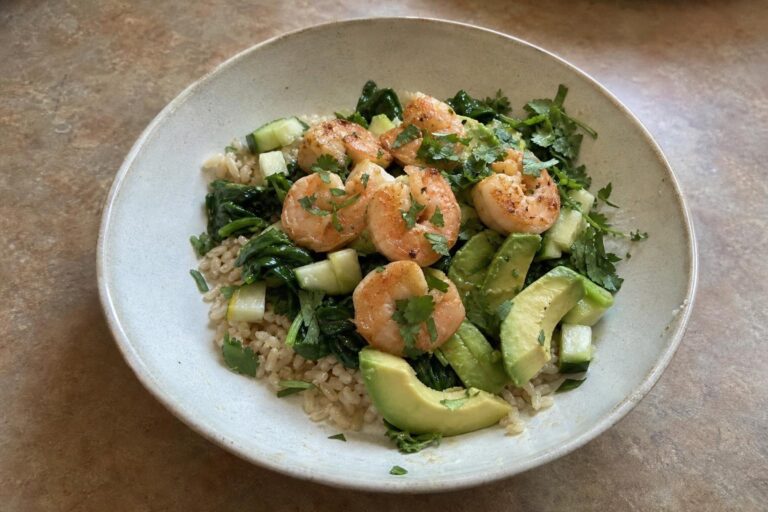
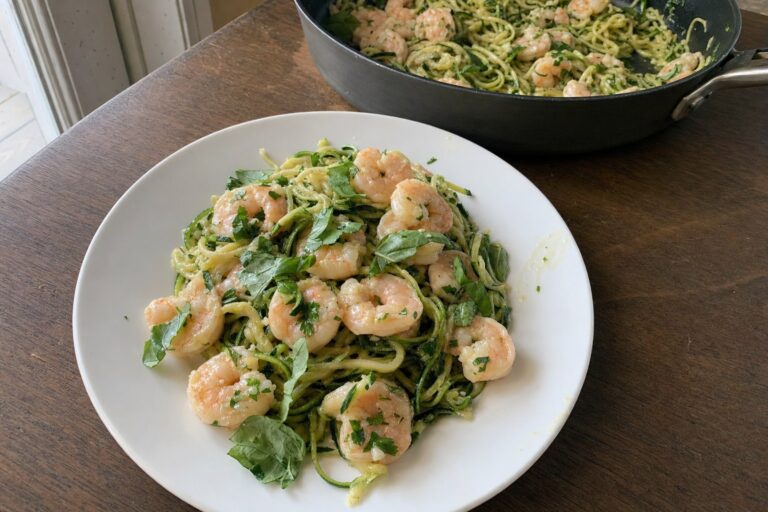
How shrimp is cooked matters more than the shrimp. Breaded and deep-fried in seed oil, it stops being a lean protein and becomes the oil it was cooked in. Most frozen shrimp is also soaked in a salt solution before freezing, which is why the bag lists sodium in the hundreds of milligrams. Grilled, steamed or thrown in a pan with garlic and olive oil, none of that applies.
The one exception is allergy. Shellfish is one of the most common food allergies in adults. It usually starts in the teens or later rather than in childhood, and it tends to stay for good.

Shrimp on the AIP diet
Shrimp is allowed on the Autoimmune Protocol from day one, elimination phase included. Shellfish is one of the proteins AIP actively encourages, so there is nothing to reintroduce later. Two things to check on the bag: the breading, which is out, and the salt and phosphate solution most frozen shrimp is soaked in. Plain frozen shrimp with one ingredient on the label is the safe buy.
Benefits
- Very high in selenium, which the body uses to control cell damage
- Almost no saturated fat, unlike most other animal proteins
- Astaxanthin, the red antioxidant pigment it shares with salmon
- A lot of protein for very few calories
Watch out for
- Breaded and deep-fried, it becomes the oil it was cooked in
- Most frozen shrimp is soaked in a salt and phosphate solution
- Shellfish is one of the most common food allergies in adults
- If you are treated for high cholesterol, agree shrimp with your doctor
Frequently asked
Is shrimp inflammatory?
No. Shrimp is a lean protein with almost none of the saturated fat that drives inflammation in the rest of the meat aisle, and it brings selenium and the antioxidant pigment astaxanthin with it. How it is cooked decides most of the rest: grilled or steamed is a different food from breaded and deep-fried.
Is the cholesterol in shrimp a problem?
For most people, no. The cholesterol you eat has far less effect on your blood than the saturated fat you eat, and shrimp has almost none of that fat. If you are already being treated for high cholesterol, agree it with your doctor rather than guess.
Can you eat shrimp every day?
You can, but two or three times a week is the more usual pattern, and it leaves room for the oily fish that shrimp does not replace. Shrimp is lean, and the strongest anti-inflammatory part of seafood is the fat, which is where salmon, sardines and mackerel come in.
Is shrimp allowed on the AIP diet?
Yes, in every phase, elimination included. Buy it plain. Breaded shrimp is out, and most frozen shrimp is soaked in a salt and phosphate solution that plain frozen shrimp is not.