Peanuts
Where peanuts sit on the inflammation scale
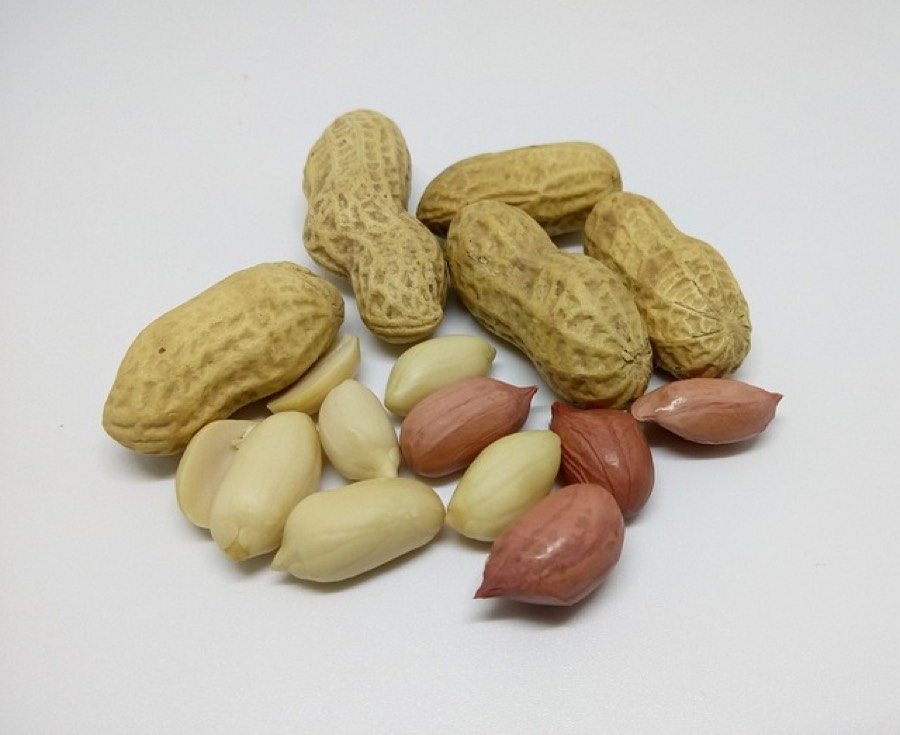
Peanuts are mildly inflammatory, and the reason is that a peanut is not a nut. It is a legume, a seed that grows in a pod under the ground instead of on a tree. Most of what separates it from the nuts beside it follows from that.
Being a legume gives the peanut a protein unlike anything in a tree nut. It is the leading food allergy in children and one of the commonest triggers of a severe reaction, and a couple of adults in every hundred react to it too.
Growing underground means growing damp, and a damp shell in warm soil is where a mould can leave a toxin in the kernel. Countries that test for it cap how much can reach a shop, so it is a reason to buy where stock turns over, not to worry.
For everyone else, the form decides, and it is what puts peanuts at 5 out of 10 on the inflammation scale, above almonds and walnuts. Most peanuts arrive roasted in cheap oil and salted hard, or crushed into a butter with sugar and hardened palm oil stirred through.
A plain peanut is a different proposition. The fat in it is largely the same kind that makes up olive oil, and magnesium and niacin come with it. Eat them steadily for a few months and the inflammation markers in a blood test barely move. Read the jar: two ingredients, peanuts and salt, and a portion that fits in a cupped hand.

Peanuts on the AIP diet
Peanuts come out during the elimination phase of the Autoimmune Protocol, and they come out as a legume rather than as a nut. Legume seeds carry defensive proteins that survive cooking, and the worry is what those do to an irritated gut lining. Peanuts sit at the harder end: most legumes are tried again early, while peanuts are left until late, because people react to them so often.
Benefits
- The fat is largely the same monounsaturated kind that makes up olive oil, at a fraction of the price
- Cheap protein and fibre in something most people file as a snack rather than as food
- One of the better everyday sources of magnesium and niacin
- Eaten steadily for months, they leave the inflammation markers roughly where they were
Watch out for
- Not a nut but a legume, which is why the Autoimmune Protocol removes them with beans
- The leading food allergy in children and a common trigger of a severe reaction
- They grow underground in a damp shell, so mould and its toxin are a quality question
- Most peanut butter carries added sugar and hardened oil on top of the peanuts
Frequently asked
Are peanuts inflammatory?
Mildly, and mostly because of how they are sold rather than what they are. Roasted in cheap oil, salted hard and eaten by the handful, they add up. A plain peanut is a different food: the fat in it is largely the same kind that makes up olive oil, and eating them steadily leaves the inflammation markers in a blood test much where they were.
Is peanut butter inflammatory?
That depends entirely on the jar. Peanuts and salt is a good food. Peanuts, sugar and hardened palm oil is a processed one, and the hardened oil is in there to stop the layer separating rather than to do anything for you. Turn the jar around. A two-ingredient list is the whole test.
Are peanuts a nut?
No. A peanut is a legume, closer to a pea or a bean than to an almond, and it grows in a pod under the ground instead of on a tree. That is why peanut allergy and tree nut allergy are two separate things, and why diets that sort food by plant family file peanuts with the beans.
Are peanuts allowed on the AIP diet?
No, not during the elimination phase. They are taken out as a legume, along with beans, lentils and soy, and they tend to be one of the later foods tried again once reintroductions start. Coconut butter is the spread that is allowed in the meantime.