Most people never find out which foods their body reacts to. They suspect gluten. They wonder about dairy. They go years on a hunch.
AIP is built to end that. Done properly, the elimination phase hands you a personal list of your own triggers.
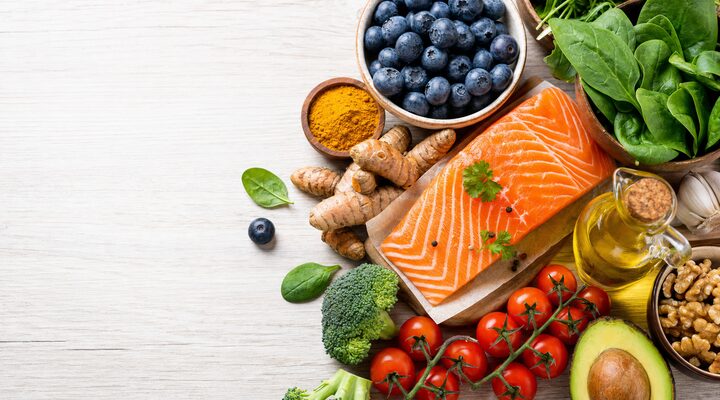
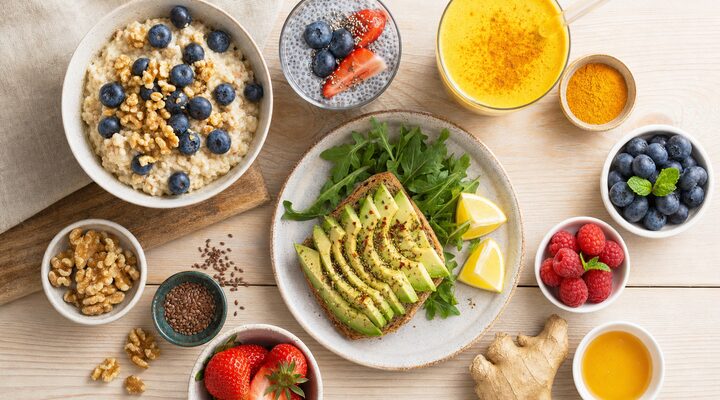
On the AIP diet you eat meat, fish, most vegetables, fruit, non-seed herbs and spices and coconut or olive oil, while you eliminate grains, legumes, nightshades, dairy, eggs, nuts, seeds, coffee, alcohol and refined sugar.
The rule for anything else: foods that are a seed, or made from one, are out, while other parts of the plant are in, with nightshades, eggs, dairy and alcohol carved out as separate exceptions.
- The rule that decides what’s in and what’s out
- What you can eat on AIP
- What you eliminate on AIP
- The foods everyone gets wrong
- What a week of AIP groceries looks like
- How strict does the list have to be?
- Frequently asked questions
The rule that decides what’s in and what’s out
Almost every food on AIP is settled by one question: is it a seed, or does it come from one?
Learn that and you can classify things no list will ever name for you, like sunflower seed butter, ashwagandha gummies or a protein bar made with pea isolate.
If a food is a seed, or made from one, it’s out. That covers grains, pseudocereals, legumes, nuts, seeds, seed spices, seed oils and the coffee bean itself, since coffee is a seed too.
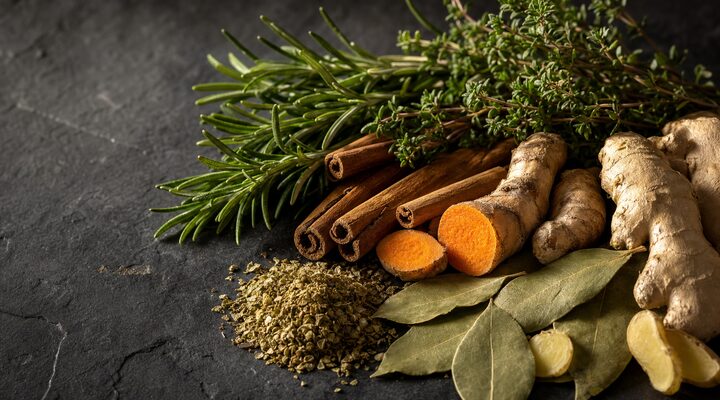
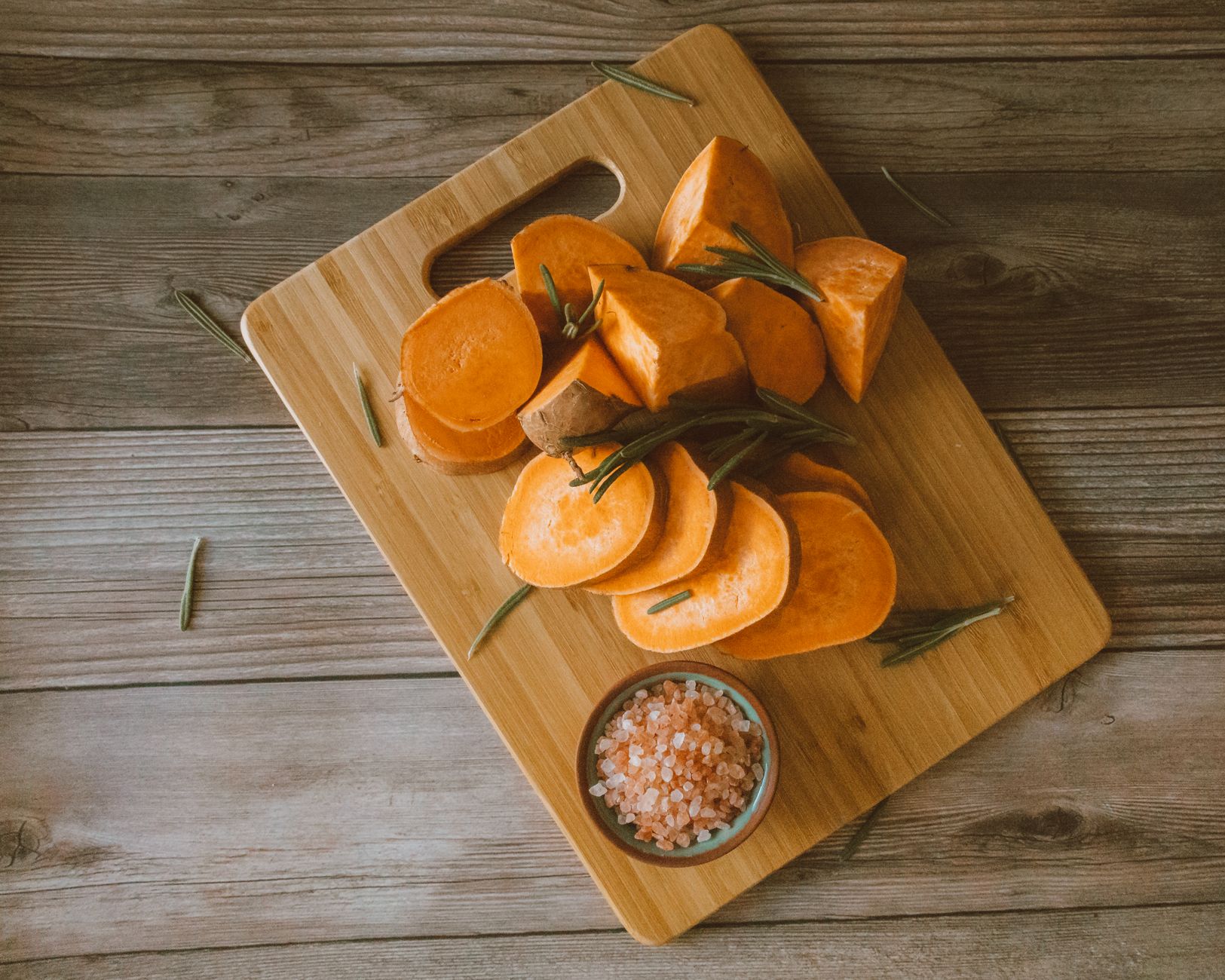
If it’s another part of the plant, it’s generally in. Leaves like basil, parsley and kale, a stem like celery, roots and tubers like carrots, ginger, turmeric and sweet potatoes, bulbs like garlic and onion, bark like cinnamon and flowers or buds like chamomile, saffron and capers are all allowed.
Three exceptions override the plant-part rule.
Nightshades are cut no matter which part of the plant you’re eating. The potato is a tuber, the bell pepper is a fruit and ashwagandha is a root, and all three are eliminated anyway.
Fruit is allowed even when it holds seeds inside, because you’re eating the pulp around the seed, not the seed itself. A loose seed is a different matter.
Eggs, dairy and alcohol are cut for reasons that have nothing to do with plant biology, since none of them are plants at all.
The protocol has a specific reason behind each of these cuts, from the lysozyme in egg whites to the glycoalkaloids in nightshades, and that’s covered in why the protocol eliminates each of these groups.
Apply that rule across a supermarket and you get the two lists below.
What you can eat on AIP
What can you eat on the AIP diet, exactly? A 2025 review of the protocol put together an AIP food list named item by item rather than by category, grouped the way you’d actually shop for it.
Meat, organ meats and bone broth
Quality meat and organ meats carry the AIP diet’s protein, and organ meats specifically make up for nutrients the elimination phase can otherwise run short on.
- Beef
- Bison
- Chicken
- Lamb
- Mutton
- Pork
- Turkey
- Wild game
- Fowl
- Liver
- Heart
- Kidney
- Tongue
- Bone broth
Fish and shellfish
Fish and shellfish are unrestricted on AIP, and the list doesn’t separate fatty fish from lean.
- Anchovies
- Catfish
- Cod
- Halibut
- Herring
- Mackerel
- Mahi mahi
- Salmon
- Sardines
- Snapper
- Tilapia
- Trout
- Tuna
- Clams
- Crab
- Crawfish
- Lobster
- Mussels
- Octopus
- Oysters
- Prawns
- Scallops
- Shrimp
- Squid
Vegetables
Vegetables are the largest category on the AIP compliant foods list, and root vegetables in particular fill the calorie gap left by grains.
- Artichokes
- Asparagus
- Beets
- Broccoli
- Brussels sprouts
- Cabbage
- Capers
- Carrots
- Cassava (yuca)
- Cauliflower
- Celery
- Collard greens
- Cucumbers
- Jicama
- Kale
- Kohlrabi
- Leeks
- Lettuce
- Mustard greens
- Okra
- Onions
- Pumpkin
- Radicchio
- Radishes
- Rutabaga
- Scallions
- Shallots
- Spinach
- Spring onions
- Squash
- Sweet potatoes
- Taro
- Turnips
- Watercress
- Yams
- Zucchini
- Arrowroot
Fruit
Fruit is allowed on AIP, seeds and all, because the cut that removes seed-based foods targets a loose seed rather than the fruit built around one. The list doesn’t set a daily cap on it.
- Apples
- Apricots
- Bananas
- Berries
- Cantaloupe
- Cherries
- Clementines
- Dates
- Figs
- Grapefruit
- Honeydew melon
- Kiwi
- Lemons
- Limes
- Mandarin oranges
- Mangoes
- Nectarines
- Oranges
- Papaya
- Peaches
- Pears
- Pineapple
- Plantains
- Plums
- Pomegranate
- Watermelon
Fats and oils
Coconut and olive-based fats cover the cooking oil, added fat and dairy-replacement roles AIP needs filled.
- Coconut oil
- Coconut milk
- Coconut butter
- Olive oil
- Avocado
- Avocado oil
- Avocado butter
- Black olives
- Green olives
Herbs and non-seed spices
This is the category almost no AIP diet food list names in full, and it’s the one that trips people up most at the spice rack.
- Basil
- Bay leaf
- Chives
- Cinnamon
- Dill weed
- Garlic
- Ginger
- Mint
- Oregano
- Parsley
- Peppermint
- Rosemary
- Saffron
- Sage
- Thyme
- Turmeric
Fermented foods
Fermented foods are allowed as long as they’re dairy-free, since dairy is cut for its own reasons regardless of fermentation.
- Water kefir
- Sauerkraut
- Kombucha
- Pickled vegetables
- Kimchi
- Apple cider vinegar
- Red wine vinegar
Sweeteners and pantry
Natural sweeteners stay in, and the list doesn’t set a daily cap on any of them.
- Honey
- Maple syrup
- Date sugar
- Coconut sugar
- Molasses
- Dried fruit
Drinks
Beyond water, the drink list is short.
- Herbal teas
- Green tea
- Chamomile
What you eliminate on AIP
These are the foods to avoid on the AIP diet, sorted by group.
Grains and pseudo-grains
Every grain is eliminated on AIP, gluten-free or not, because the cut targets the seed itself rather than the gluten inside it.
- Barley
- Corn
- Durum
- Fonio
- Job’s tears
- Kamut
- Millet
- Oats
- Rice (white, brown and wild)
- Rye
- Sorghum
- Spelt
- Teff
- Triticale
- Wheat
- Amaranth
- Buckwheat
- Chia
- Quinoa
That takes the foods made from them along with it. Crackers, rice waffles and pasta are out for the same reason the grain itself is out.
Legumes
Legumes are eliminated whole, and that catches a few foods people don’t file under “bean” until they see the list.
- Adzuki beans
- Black beans
- Chickpeas
- Fava beans
- Green beans
- Kidney beans
- Lentils
- Lupin
- Peanuts
- Peas
- Pinto beans
- Red beans
- Soy
- White beans
- Hummus
Nightshades
Nightshades are cut no matter which part of the plant you’re eating, root, fruit or leaf, because the protocol treats the whole family as one group.
- Ashwagandha
- Bell peppers
- Cape gooseberries
- Cayenne peppers
- Chili peppers
- Eggplant
- Goji berries
- Naranjillas
- Paprika
- Pepinos
- Pimentos
- Potatoes
- Tamarillos
- Tomatillos
- Tomatoes
- Ketchup
Dairy
All dairy is eliminated, fermented or not.
- Milk
- Cheese
- Butter
- Ghee
- Cream
- Yogurt
- Kefir
Eggs
Eggs and anything made from them are out, including the foods that hide egg as a single ingredient.
- Eggs
- Mayonnaise
Nuts, seeds and seed spices
Nuts, seeds and the spices ground from seeds are eliminated as one group, since the protocol treats the seed as the trigger regardless of its size or how it’s processed.
- Almonds
- Cashews
- Chia seeds
- Flax seeds
- Hazelnuts
- Hemp seeds
- Macadamia nuts
- Pecans
- Pine nuts
- Pistachios
- Sesame
- Walnuts
Their derivatives go with them. Canola oil, walnut oil, almond flour, almond milk and tahini are all made from foods on this list, so they’re out too.
These are the seed spices. If a jar in your spice rack is on it, it goes in the cupboard until reintroduction.
- Anise
- Annatto
- Black caraway
- Celery seed
- Coriander
- Cumin
- Dill seed
- Fennel
- Fenugreek
- Mustard
- Nutmeg
Coffee and alcohol
Coffee and alcohol are cut together, and for a similar reason: both make it harder to tell whether a symptom came from food or from what you drank with it.
- Coffee
- Alcohol
- Beer
- Wine
Sugar, sweeteners and additives
Refined sugar, most sweeteners and food additives are eliminated as one broad category, and it’s the longest list on the elimination side.
- Granulated sugar
- Brown sugar
- Cane sugar
- Agave
- Barley malt
- Brown rice syrup
- Caramel
- Corn syrup
- High-fructose corn syrup
- Fructose
- Fruit juice
- Fruit juice concentrate
- Inulin
- Lactose
- Malt syrup
- Maltodextrin
- Maltose
The eliminated sweeteners sit in their own group, separate from natural ones like honey.
- Acesulfame potassium
- Aspartame
- Erythritol
- Mannitol
- Neotame
- Saccharin
- Sorbitol
- Stevia
- Sucralose
- Xylitol
Food additives and emulsifiers are cut too, for the same reason as ultra-processed food in general: they’re common foods that drive inflammation outside of AIP, and the protocol removes them on top of everything else.
The foods everyone gets wrong
A handful of foods don’t fit the plant-part rule cleanly, and they’re the ones that split opinion across AIP forums and blogs. Some look like vegetables and are legumes. Some look risky and aren’t.
| Food | Verdict | Why |
|---|---|---|
| Green beans and peas | Cut | They’re legume pods, and the published list groups them with beans even though you eat them green. |
| Sweet potato vs. potato | Sweet potato in, potato out | Different plant families. The potato is a nightshade and the sweet potato isn’t. |
| Cinnamon vs. cumin | Cinnamon in, cumin out | Cinnamon comes from bark. Cumin comes from a seed. |
| Dill weed vs. dill seed | Weed in, seed out | Same plant, two different parts of it. |
| Sea vegetables vs. spirulina and chlorella | Nori, wakame and dulse in, spirulina and chlorella out | Not the same category. Spirulina and chlorella are single-celled algae, not sea vegetables. |
| Goji berries | Cut | They’re a nightshade, whatever the health food aisle calls them. |
| Ashwagandha | Cut | It’s a nightshade root, and it shows up in most “immune support” supplements. |
| Black pepper | Not classified | The published food list doesn’t place it in either column, so the honest answer is that it’s unsettled. |
| Cassava, tapioca and arrowroot | In as whole food | The flours made from them to mimic bread and pasta fall outside the published list. |
| Coconut | In | Coconut oil, milk and butter are all on the permitted list. |
| Tea vs. coffee | Tea in, coffee out | The coffee bean is a seed. Tea leaves aren’t. |
| Honey and maple syrup vs. stevia and erythritol | Honey and maple syrup in, stevia and erythritol out | The opposite of what most people assume walking into this diet. |
| Olive oil vs. sunflower and canola oil | Olive oil in, sunflower and canola out | Olives are a fruit. Sunflower and canola come from seeds. |
| Almond flour vs. cassava flour | Almond flour out, cassava flour in | One’s a nut. One’s a root. |
Spirulina and chlorella deserve their own note, because they’re marketed as anti-inflammatory superfoods and they sit closer to the opposite of what AIP is trying to do. A scientific review found that spirulina and related algae supplements can stimulate immune activity, and advised against them in autoimmune skin disease.
A later study went further. Spirulina increased inflammatory cytokine production in cells taken from patients with dermatomyositis. Sea vegetables like nori, wakame and dulse are a different organism entirely, and nothing in the list restricts them.
What a week of AIP groceries looks like
Turning this list into an actual AIP grocery list means walking the store in a specific order, because the sections where AIP gets hard aren’t the ones you’d expect.
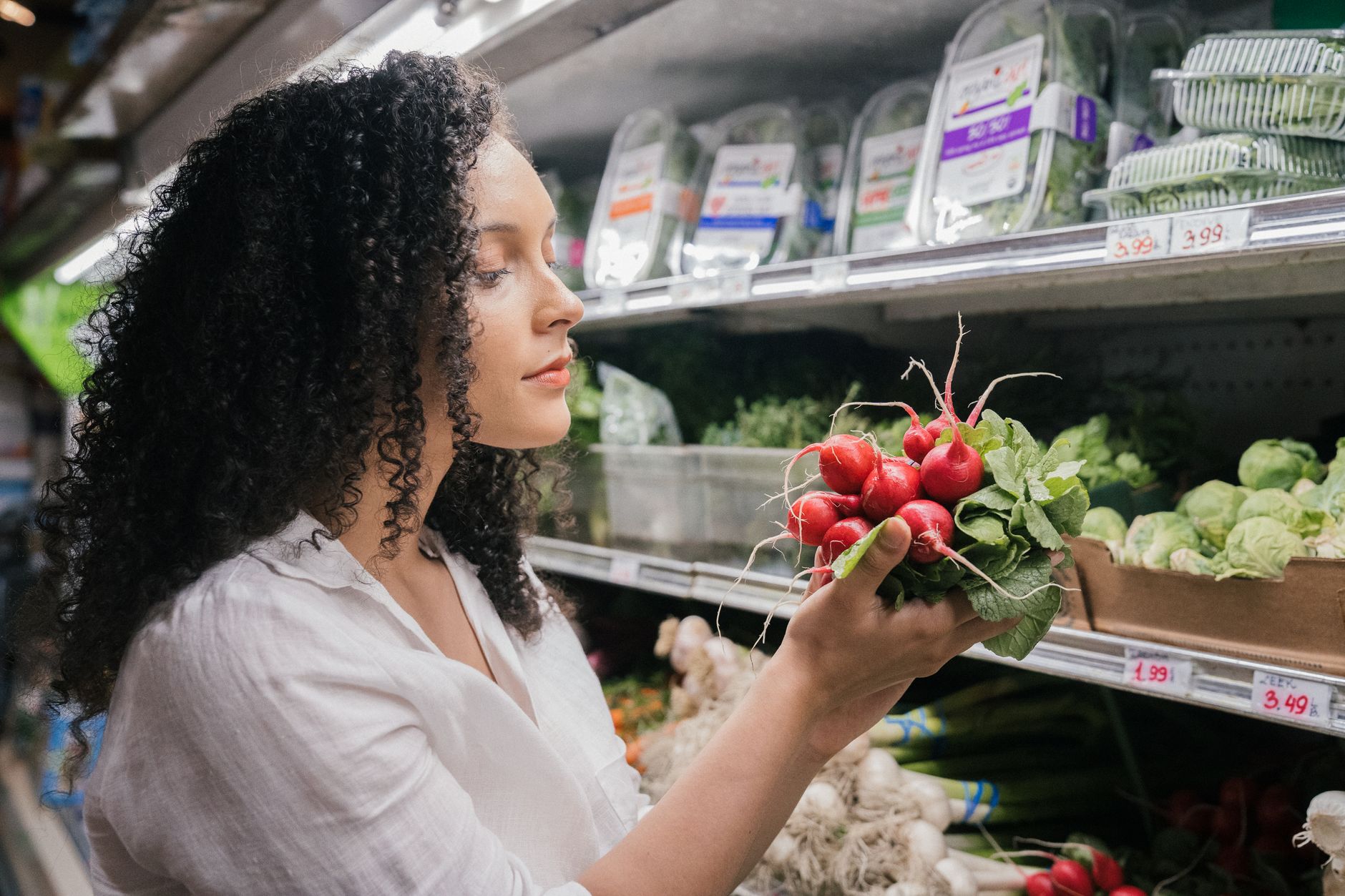
Produce is the easy part. Fill the cart there first, since it’s where most of your plate should come from and there’s nothing to read on a label.
The meat counter is where labels start to matter. Ground meat and sausage often carry additives you wouldn’t expect, like dextrose, sugar cure and spice blends that include paprika or mustard. Read the ingredient list on anything pre-seasoned, not just the cuts that look processed.
Seafood is close to unrestricted, but breaded or battered fish belongs to the grain aisle once flour is part of the coating.
Pantry and condiments are where most AIP compliant foods fail. Canned goods, broths, sauces and spice blends hide seed oils, emulsifiers, dextrose and paprika in places you wouldn’t guess. A sauce that lists “spices” without naming them can’t be verified from the label alone, so it’s safer to skip it during elimination or ask the brand directly.
Working out whether a specific product fits the elimination phase while you’re standing in the aisle is what the InflammaScan app is there for.
For the week itself, a meal planner built around AIP compliant foods takes out most of the decisions that trip people up on the first shop.
How strict does the list have to be?
The list above is where AIP starts, not where it ends. Two people can follow the same elimination phase and land on two different lists of foods they personally react to once reintroduction is done.
That’s the point of the protocol. Cutting a wide category of suspected trigger foods is the tool, not the goal, and the list you end up with is meant to be yours rather than the one you started from.
If you don’t have an autoimmune diagnosis and you’re mainly looking to eat in a way that lowers inflammation day to day, the full AIP elimination list is more restriction than most people need. A broader anti-inflammatory food list covers that middle ground without asking you to cut eggs, nightshades or coffee.
Frequently asked questions
What foods can you eat on the AIP diet?
On the AIP diet you eat meat, fish, shellfish, most vegetables, fruit, non-seed herbs and spices, coconut and olive oil, non-dairy fermented foods and natural sweeteners like honey and maple syrup.
What foods should you avoid on the AIP diet?
You eliminate grains, legumes, nightshades, dairy, eggs, nuts, seeds, seed spices, coffee, alcohol and refined sugar on the AIP diet. That covers grains such as wheat, oats and rice, pseudocereals like quinoa and less obvious cuts such as canola oil and mayonnaise, since both are made from foods already on the eliminated list.
Which herbs and spices are allowed on the AIP diet?
Herbs and spices that don’t come from a seed are allowed on the AIP diet, including basil, oregano, rosemary, thyme, sage, mint, parsley, dill weed, ginger, turmeric, cinnamon and saffron. Spices that do come from a seed, such as cumin, coriander, mustard, fennel and nutmeg, are eliminated, because the seed itself is what’s being cut rather than the flavor.
Is green tea allowed on the AIP diet?
Green tea is allowed on the AIP diet, along with herbal teas and chamomile. Coffee is the one common hot drink that’s cut, because the coffee bean is a seed and the protocol treats it the same way it treats other seed-based foods like grains and legumes.
Can you eat fruit on the AIP diet?
Fruit is allowed on the AIP diet and includes apples, berries, bananas, citrus, mangoes, melons, pomegranate and stone fruit like peaches and plums. Fruit stays in even though some varieties hold seeds, because the rule that cuts seed-based foods applies to the loose seed and not to the pulp you eat around it.