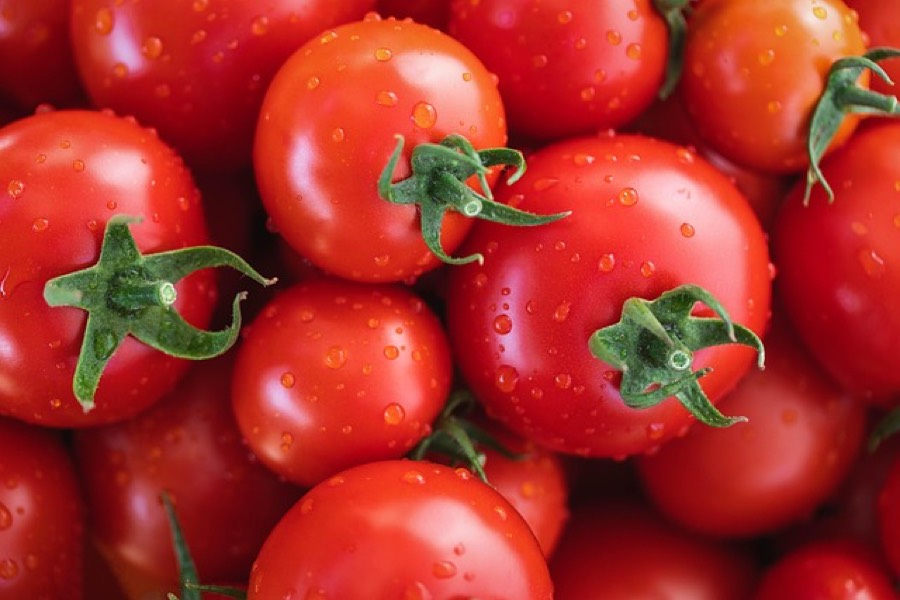
Close-up of ripe red tomatoes with water droplets on their skin

Tomatoes

Anti-InflammatoryVegetables
Low
Inflammation Score
2/10
Anti-inflammatoryInflammatory
Serving size
1 medium tomato (123 g)
Key nutrients
LycopeneVitamin CPotassiumBeta-carotene
How often
Daily, cooked with olive oil as often as raw

Why tomatoes are anti-inflammatory

Tomatoes are not inflammatory for most people. Their red colour comes from lycopene, a pigment that acts as an antioxidant once it reaches your blood. In a raw tomato most of the lycopene stays locked inside the cell walls and passes through you unabsorbed.

Heat breaks those walls open, and fat then carries the lycopene into your blood, so cooked tomato gives you more of it than the same weight of raw slices. In one trial, adding tomato puree to a high-fat meal lowered the inflammation markers that normally rise in the hours after eating.

Tomatoes belong to the nightshade family, along with peppers, aubergines and white potatoes. Nightshades contain glycoalkaloids, defence compounds that can irritate the lining of the gut, and in a gut that is already inflamed that irritation can make symptoms worse. The evidence here is limited and points at people who already have a bowel condition rather than at everyone.

Tinned tomatoes, passata and paste are concentrated cooked tomato, so they count as much as fresh. Jarred sauces and ketchup are a different case: check the label for added sugar, because the tomato is not the whole product.

Cook them in olive oil, which gives you the heat and the fat in one step. If you have an autoimmune condition or a difficult gut, take tomatoes out for a few weeks and put them back to see whether anything changes.

Tomatoes on the AIP diet

Tomatoes are one of the first foods to go on the Autoimmune Protocol. They are a nightshade, and the elimination phase takes out the whole family: tomatoes, peppers, eggplants, white potatoes and the spices made from them. That last part catches people out, because paprika and chilli flakes are nightshades too. They come back at reintroduction and many people tolerate them fine, but during elimination there is no small allowed amount.

Benefits

  • The main source of lycopene in most diets, the red pigment that works as an antioxidant
  • Cooking makes lycopene easier to absorb, so sauce and paste count as much as fresh
  • Eaten with a fatty meal, tomato holds down the inflammation markers that rise afterwards
  • Cheap, year round and low in calories for the potassium and vitamin C

Watch out for

  • A nightshade, so it is one of the first foods removed on an autoimmune elimination diet
  • Some people with a sensitive gut or joint pain feel better without them
  • The acidity can make reflux worse in anyone already prone to it
  • Jarred sauces and ketchup often carry added sugar, so the tomato is not the whole product

Get the inflammation score of any meal

Just snap a photo or describe your food to get its inflammation score and uncover hidden patterns that may be affecting your well-being.

Download on the App StoreGet it on Google Play
InflammaScan app

Frequently asked

Are tomatoes inflammatory?

No, tomatoes are anti-inflammatory for most people. They are the richest everyday source of lycopene, the red pigment that acts as an antioxidant once it reaches the blood. The exception is people who react to nightshades, and that is an individual thing rather than a general rule.

Do tomatoes cause joint pain?

For most people, no. The idea comes from tomatoes being a nightshade, a plant family that carries defensive compounds capable of irritating a sensitive gut. Some people with arthritis or an autoimmune condition do report feeling better without them. The only way to know is to drop them for a few weeks and bring them back.

Are cooked tomatoes better than raw?

For lycopene, yes. Heat breaks open the cell walls that keep it locked away, and fat carries it into the blood, so a sauce cooked in olive oil gives you more of it than raw slices. Raw tomatoes hold on to more vitamin C, which is a good reason to eat both.

Is jarred tomato sauce still good for you?

The tomato part is, and cooked concentrated tomato is one of the better ways to get lycopene. What varies is everything else in the jar. Check the label for added sugar and for which oil was used, because that is what separates a good base from an ordinary processed food.

The easiest way to follow an anti-inflammatory diet.

Identify inflammatory foods in seconds, log your symptoms and discover what’s inflaming you. Includes hundreds of recipes.

Download on the App StoreGet it on Google Play
InflammaScan app