Mushrooms
Why mushrooms are anti-inflammatory
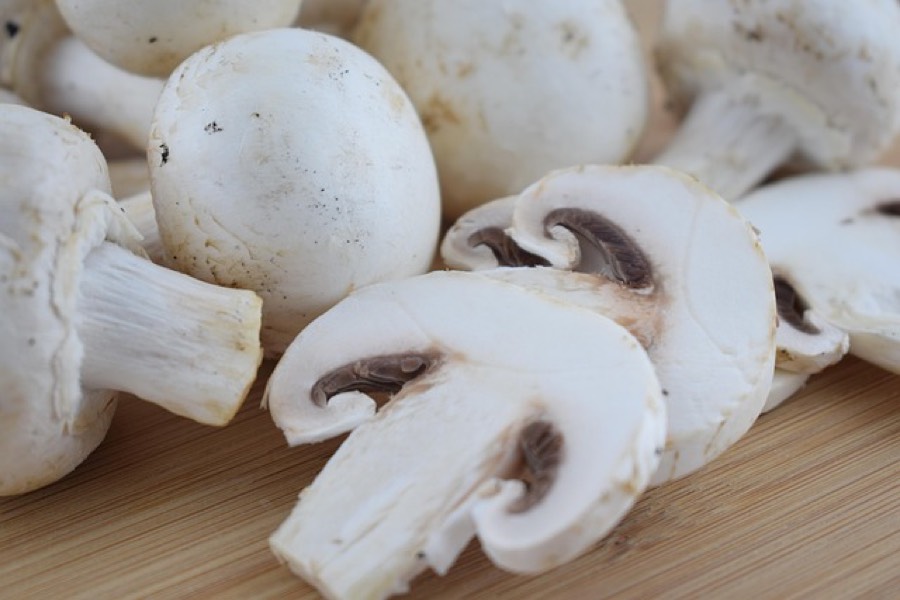
Mushrooms are anti-inflammatory, and the first reason is that they are not vegetables. A mushroom is a fungus, and fungi build compounds no plant makes. The clearest is ergothioneine. You cannot produce it yourself, almost nothing else on the plate carries it in quantity, and your gut has a transporter that exists more or less to let it in. Once inside, it collects in the tissues that take the most day-to-day damage, like red blood cells and the liver. The body rarely builds a dedicated door for one compound in food.
The second reason is the structure of the mushroom itself. Its walls are made of beta-glucans, a fibre you have no enzyme for, so it reaches the large intestine intact and passes the immune cells stationed along the gut wall on the way. Most of your immune system lives down there. That is why mushrooms score 2 out of 10 on the inflammation scale: not one dramatic effect, two ordinary ones pulling the same way.
Two things decide how much of that you actually get. Cook them. Raw mushroom walls are chitin, the same material as an insect shell, and heat is what opens them so the rest can come out. And put them in the sun. Mushrooms make vitamin D from ultraviolet light the way your skin does, so a punnet left outside gills up for a few hours turns into a serious source of it. Window glass blocks the light that does the work.
What undoes a pan of mushrooms is usually the pan. They are almost all water, and as it cooks off they soak up whatever surrounds them, which in most kitchens is butter. Dry-fry them first, then add the fat at the end.

Mushrooms on the AIP diet
Mushrooms are allowed on the Autoimmune Protocol from day one, elimination included. They are a fungus, so they sit clear of the grains, legumes, nuts, seeds, nightshades and dairy the elimination phase removes. They also earn their place: with sauces and seasonings gone, mushrooms are one of the few things left that give a plate savoury depth. Buy them fresh. Tinned and marinated jars usually arrive with seed oil or sulphites.
Benefits
- Ergothioneine, an antioxidant almost no other food supplies in quantity
- Beta-glucan fibre that feeds the bacteria and immune cells of the gut
- One of the better plant sources of selenium and B vitamins
- Left in sunlight they make vitamin D, which very few foods carry
Watch out for
- They soak up fat, so a pan of them can absorb a lot of butter
- Raw mushrooms are hard to digest until heat breaks the walls open
- Tinned and marinated jars often add seed oil, salt and sulphites
- Never eat a wild mushroom you have not had identified
Frequently asked
Are mushrooms inflammatory?
No, mushrooms are anti-inflammatory. They are a fungus rather than a plant, and they carry things nothing else on the plate supplies in the same amount: ergothioneine, an antioxidant your body has a dedicated transporter for, and the beta-glucan fibre their walls are built from. How you cook them matters more than which kind you buy.
Should you eat mushrooms raw or cooked?
Cooked. Raw mushroom walls are made of chitin, the same material as an insect shell, and your gut has no enzyme for it. Heat breaks it open, which is what lets the rest out. Cooked mushrooms also taste of a great deal more.
Do mushrooms contain vitamin D?
They can, and it depends on light. Mushrooms make vitamin D from ultraviolet the same way your skin does, so ones grown in the dark carry very little. Leave a punnet outside gills up for a few hours, or look for packs labelled UV-exposed.
Are mushrooms allowed on the AIP diet?
Yes, in every phase, elimination included. Being a fungus keeps them clear of the grains, legumes, nuts, seeds, nightshades and dairy that AIP removes. Buy them fresh and plain rather than tinned or marinated, and cook them in a fat the protocol allows.
Anti-inflammatory recipes with Mushrooms

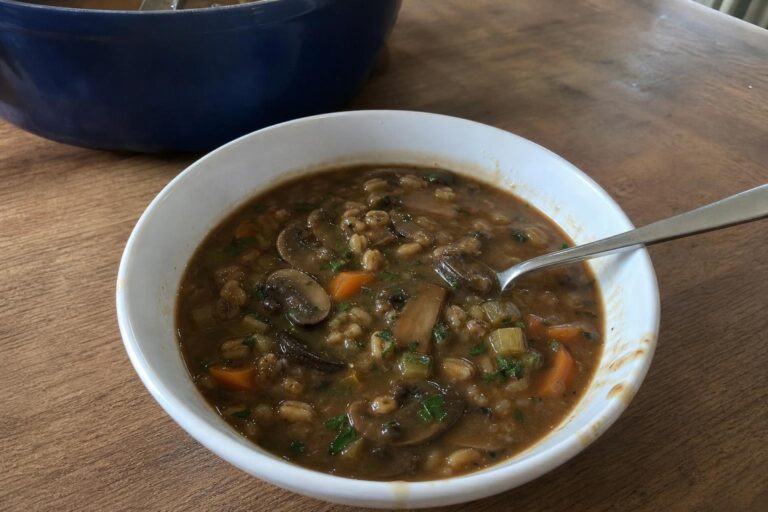
Mushroom Barley Soup Recipe

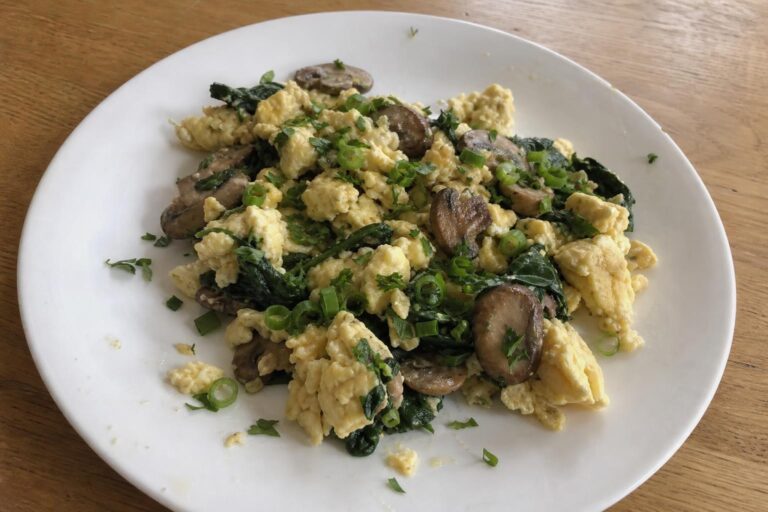
Spinach and Mushroom Breakfast Scramble Recipe

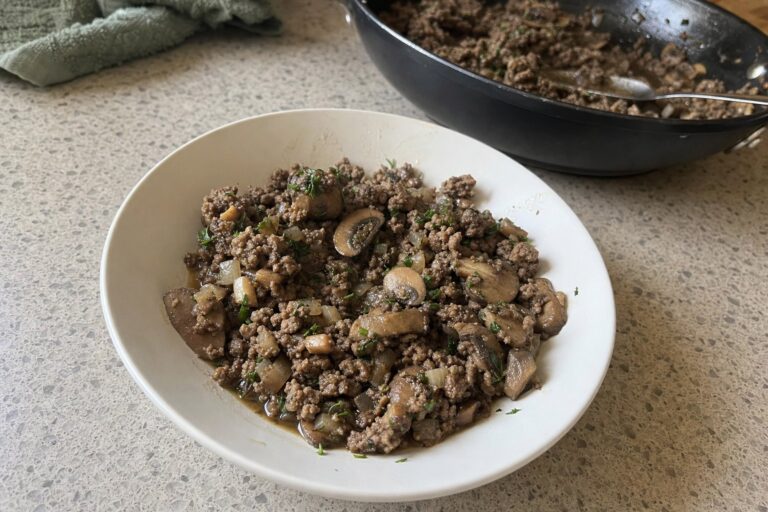
Beef and Mushroom Skillet with Thyme Recipe

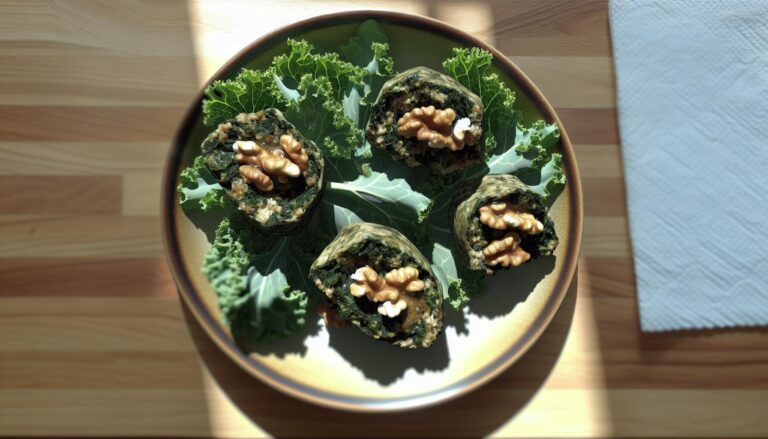
Kale and Walnut Stuffed Mushrooms Recipe

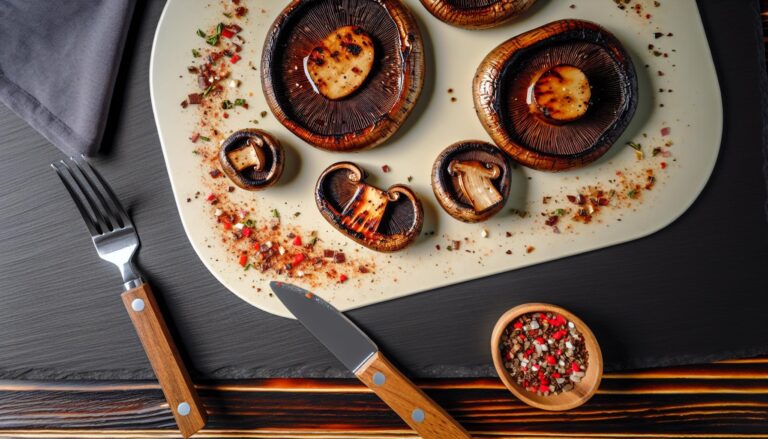
Perfectly Grilled Portobello Mushroom Steaks Recipe