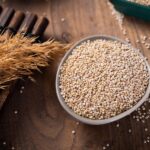
Lentils vs Quinoa: Which Is Less Inflammatory?
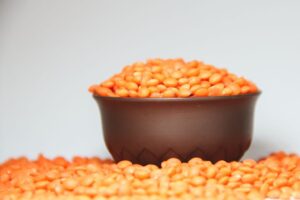
Lentils
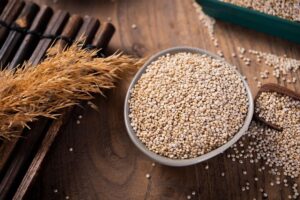
Quinoa
Neither lentils nor quinoa is less inflammatory than the other: both score 2 on the inflammation scale. They compete for the same bowl, the one you fill when you are trying to eat something better than white rice, and either one can carry a meal on its own.
Lentils release their starch slowly, and the effect outlasts the plate, because blood sugar stays steadier at the meal that comes after them. Steady blood sugar matters here, since sharp rises are one of the ways ordinary food keeps inflammation going. Their soluble fibre also feeds the bacteria in the large intestine, and a cooked cup brings enough protein to leave the meat out of the meal altogether.
Quinoa is a seed and not a cereal, which changes what a bowl of it gives you. It carries a full set of the amino acids your body cannot build, something few plants manage, and because you eat the whole seed, the magnesium, the fibre and the quercetin in its coat stay where they are. Quercetin is a plant pigment that works against the damage behind inflammation. Quinoa is still a starchy side at about 220 calories a cooked cup, so serve it as one. Next time you would have boiled rice, cook quinoa instead and stir cooked lentils through it, and rinse the quinoa under cold water first, because its coat carries bitter saponins that taste faintly of soap.
Side by side
| Lentils | Quinoa | |
|---|---|---|
| Inflammation Score | Low · 2/10 | Low · 2/10 |
| Category | Legumes | Grains |
| Serving size | 1 cup cooked (198 g) | 1 cup cooked (185 g) |
| Key nutrients | Slow-release starch, Soluble fibre, Plant protein, Folate | Complete protein (lysine), Magnesium, Quercetin, Insoluble fibre |
| How often | Two or three times a week, a cup cooked in place of the meat in the meal | Most days, a cup cooked, in place of a refined grain |
On the AIP diet
Lentils
Lentils go out on day one of the Autoimmune Protocol elimination phase, along with every other legume. The protocol treats the proteins in a legume seed, and the tough fibre around them, as too much work for a gut that is already reacting. They also sit near the back of the reintroduction queue, behind eggs, nuts and seeds. Roast squash fills the same place on the plate until then.
Quinoa
Quinoa is not allowed on the Autoimmune Protocol. Being a seed rather than a cereal sounds like it should get through a protocol built around grains, and it does not: AIP takes out seeds as well, and the saponins in quinoa's coat are exactly the plant defence the elimination phase clears out. The wait is shorter than for bread, because seeds come back early. Meanwhile cauliflower rice is the usual stand-in.
What each one brings
Lentils
- Raise blood sugar slowly, and the steadiness carries into your next meal
- A cup cooked has around 18 grams of protein, enough to replace the meat
- Cook in twenty minutes straight from the bag, with no soaking the night before
- Cost less per serving than almost any other source of protein
Quinoa
- A seed rather than a cereal, so it brings protein and minerals, not mostly starch
- Carries a full set of the amino acids the body cannot build, which few plants manage
- Gluten free in the seed itself, not because of anything done to it afterwards
- You eat the whole seed, so the magnesium, fibre and antioxidants in the coat stay
Watch out for
Lentils
- Expect some wind while your gut gets used to them, then it passes
- Tinned lentil soup is usually salty, so read the label before you buy
- Lentil crisps and snack packs are fried, which makes them another food
- They count as the starch of the meal, so they go instead of the rice
Quinoa
- The coat carries bitter saponins, so an unrinsed bag tastes faintly of soap
- Still a starchy side, and it is easy to serve a bowlful as though it were salad
- About 220 calories in a cooked cup, more than the same volume of vegetables
- Carries phytic acid, which holds on to part of the iron and zinc in the meal
Get the inflammation score of any meal
Just snap a photo or describe your food to get its inflammation score and uncover hidden patterns that may be affecting your well-being.