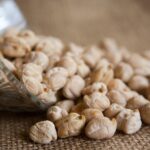
Chickpeas vs Lentils: Which Is Less Inflammatory?
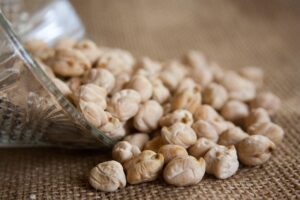
Chickpeas

Lentils
Neither chickpeas nor lentils is less inflammatory than the other: both score 2 on the inflammation scale. They are the two legumes most likely to be in your cupboard already, and they cover the same two jobs, standing in for meat as the protein and for rice as the starch.
Chickpeas are built around fibre you cannot digest yourself, resistant starch and a sugar called raffinose, and your gut bacteria live on both. Fed that way, those bacteria keep the gut lining nourished and tight, and a leaky lining is one of the places lasting inflammation begins. A bowl of chickpeas also brings starch and protein in the same mouthful, so blood sugar rises slowly and hunger stays away for hours.
Lentils reach the same place faster. They cook in twenty minutes straight from the bag, with no soaking the night before, and a cooked cup carries around 18 grams of protein, enough to take the meat out of a stew. They cost less per serving than almost any other protein in the shop. Their starch is slow too, and the steadier blood sugar carries into the meal that follows. Expect some wind for a week or so if legumes are rare in your diet, then it passes. Swap the meat in one stew this week for a tin of chickpeas or a cup of lentils, and drain and rinse anything tinned, because that liquid holds most of the salt.
Side by side
| Chickpeas | Lentils | |
|---|---|---|
| Inflammation Score | Low · 2/10 | Low · 2/10 |
| Category | Legumes | Legumes |
| Serving size | 1 cup cooked (165 g) | 1 cup cooked (198 g) |
| Key nutrients | Resistant starch, Raffinose fibre, Folate, Manganese | Slow-release starch, Soluble fibre, Plant protein, Folate |
| How often | Most days, a cup cooked in place of a refined starch | Two or three times a week, a cup cooked in place of the meat in the meal |
On the AIP diet
Chickpeas
Chickpeas are not allowed during the elimination phase of the Autoimmune Protocol. They are a legume, and legumes go out on day one, largely for the same hard to digest sugars that make them useful the rest of the time. They also come back late, well after eggs and seeds, so plan for a long wait. Roast squash or cauliflower fills the same slot on the plate meanwhile.
Lentils
Lentils go out on day one of the Autoimmune Protocol elimination phase, along with every other legume. The protocol treats the proteins in a legume seed, and the tough fibre around them, as too much work for a gut that is already reacting. They also sit near the back of the reintroduction queue, behind eggs, nuts and seeds. Roast squash fills the same place on the plate until then.
What each one brings
Chickpeas
- Carry sugars the gut bacteria live on, which keeps the gut lining fed and tight
- Bring starch and protein in one food, so a bowl holds off hunger for hours
- Raise blood sugar slowly, which matters more than any single nutrient in them
- Cheap, keep for years in the cupboard, and need no skill to cook
Lentils
- Raise blood sugar slowly, and the steadiness carries into your next meal
- A cup cooked has around 18 grams of protein, enough to replace the meat
- Cook in twenty minutes straight from the bag, with no soaking the night before
- Cost less per serving than almost any other source of protein
Watch out for
Chickpeas
- Gas and bloating are common at first if legumes are rare in your week
- Tinned ones can be salty unless you drain and rinse them
- Still a starchy food, so a big bowl is not a free vegetable
- Roasted snack packs are often fried and heavily salted, which is another food
Lentils
- Expect some wind while your gut gets used to them, then it passes
- Tinned lentil soup is usually salty, so read the label before you buy
- Lentil crisps and snack packs are fried, which makes them another food
- They count as the starch of the meal, so they go instead of the rice
Get the inflammation score of any meal
Just snap a photo or describe your food to get its inflammation score and uncover hidden patterns that may be affecting your well-being.