Chia Seeds vs Flaxseed: Which Is Less Inflammatory?
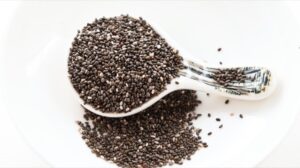
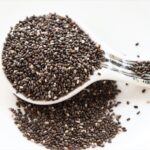
Chia Seeds
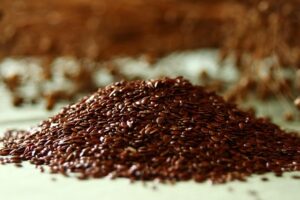
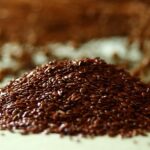
Flaxseed
Neither chia seeds nor flaxseed is less inflammatory than the other: both score 2 on the inflammation scale, in the anti-inflammatory band. Both are small seeds you stir into yoghurt, porridge or baking for the same reasons: plant omega-3 and plenty of fibre.
The difference is in the evidence each seed has behind it. Flaxseed lowered two of the main inflammation signals in blood, a result with more support than anything measured for chia. Flaxseed is also the richest common source of lignans, plant compounds that act as antioxidants. Chia works mainly through its omega-3, the richest plant source by weight, though the body converts only part of it into the form oily fish provides.
The practical difference is preparation, not score. Flaxseed has to be ground, because whole seeds pass through you intact, and the ground version belongs in the fridge. If you keep one jar, buy chia, since it works whole straight from the bag.
Side by side
| Chia Seeds | Flaxseed | |
|---|---|---|
| Inflammation Score | Low · 2/10 | Low · 2/10 |
| Category | Nuts & Seeds | Nuts & Seeds |
| Serving size | 2 tbsp dry (28 g) | 2 tbsp ground (14 g) |
| Key nutrients | Alpha-linolenic acid (ALA), Soluble fibre (mucilage), Chlorogenic acid, Calcium | Lignans (SDG), Alpha-linolenic acid (ALA), Soluble fibre (mucilage), Magnesium |
| How often | Daily, one to two tablespoons soaked in liquid | Daily, one to two tablespoons ground |
On the AIP diet
Chia Seeds
Chia seeds are not allowed on the Autoimmune Protocol. The elimination phase takes out every nut and seed. That stings if you bake, because chia is the standard stand-in for eggs outside the protocol, and on AIP the eggs are gone too. The job falls to gelatin, mashed banana or pureed pumpkin instead. Seeds are not a long wait: they come back early in the reintroduction, and chia is a reasonable one to test first.
Flaxseed
Flaxseed is out during the elimination phase of the Autoimmune Protocol, which removes every seed. That costs you a baking option as well as a topping, because ground flaxseed mixed with water is the usual stand-in for eggs, and eggs are out too. Gelatin, mashed banana or pureed pumpkin do that job instead. Seeds come back early in the reintroduction, so the wait is short.
What each one brings
Chia Seeds
- The richest plant source of omega-3 by weight, though in a form the body only partly converts
- A third of the seed is fibre, and most of it sets into a gel that slows a meal down
- Whole seeds work: unlike flaxseed, chia does not need grinding
- Two tablespoons carry about as much calcium as half a glass of milk
Flaxseed
- The richest common source of lignans, plant compounds that act as antioxidants
- Across forty trials, flaxseed lowered two of the main inflammation signals in blood
- Roughly half its fat is omega-3, though in the plant form
- Two tablespoons carry about four grams of fibre, most of it the soluble kind
Watch out for
Chia Seeds
- The omega-3 is the plant form, and little of it becomes what oily fish gives
- Swallowed dry it swells and can lodge in the throat, so put it in liquid first
- A big jump in fibre brings bloating and cramps for a week or two
- Around 140 calories in two tablespoons, easy to miss by the spoonful
Flaxseed
- Whole seeds pass through largely intact, so the seed has to be ground
- Ground flaxseed turns rancid at room temperature and belongs in the fridge
- The plant omega-3 converts poorly, so it is no replacement for oily fish
- A sudden jump in fibre brings bloating unless you add it gradually and drink water
Get the inflammation score of any meal
Just snap a photo or describe your food to get its inflammation score and uncover hidden patterns that may be affecting your well-being.