
Half the packages at the store seem to mention inflammation now. Crackers that won’t cause it, teas that will lower it. Standing in the aisle, you caught yourself reading a label and realized you had no idea what the word referred to. Is it a disease? A symptom? Something in the food?
The question stuck with you on the drive home. What is inflammation, and why does the whole grocery store suddenly care about it? By the end of this guide, you’ll know what it is and when it’s worth doing something about it.
What is inflammation?
Inflammation is the immune system’s built-in response to injury, infection or anything it reads as a threat. Infection and tissue injury are the classic triggers, but they sit at one end of a much wider range. Research published in Nature shows that tissue stress or malfunction can also trigger an inflammatory response.
The word itself is a clue to what happens. It comes from the Latin inflammare, which means “to set on fire.” That fits what you can see: the area turns red and feels warm.
Inflammation is a defense, not a disease. It’s the body doing its job. What matters is whether it starts, finishes its work and shuts down.
What inflammation does in your body, step by step
The response follows a predictable sequence. The body detects a problem, sounds the alarm, opens up blood vessels, sends in white blood cells and finally switches itself off. Some steps happen out of sight. Others produce signs you can see and feel.
1. The body detects a problem
Cells in the affected tissue recognize germs or the debris of damaged cells. Nothing is visible yet, but the immune system has already registered the threat.
2. Cells sound the alarm
The alerted cells release cytokines, which are chemical messengers that carry instructions to the rest of the body. Cytokines tell nearby blood vessels to open up, call immune cells toward the area and put the whole system on alert. This is the signal that turns a local problem into a coordinated response.
3. Blood vessels open up
More blood flows into the area, which produces the redness and the heat. Blood vessel walls get leakier, so fluid escapes into the tissue and causes swelling. At the same time, nerves in the area become more sensitive, and that sensitivity registers as pain.
These are the classic signs of acute inflammation: redness, heat, swelling, pain and, when the area stops working properly, loss of function. A swollen ankle you can’t put weight on is loss of function in action.
4. White blood cells move in
Neutrophils, the first responders of the immune system, arrive within hours. They attack bacteria and engulf debris. After them come monocytes, another type of white blood cell. Monocytes transform into macrophages, the large cleanup cells that swallow dead cells and leftover debris.
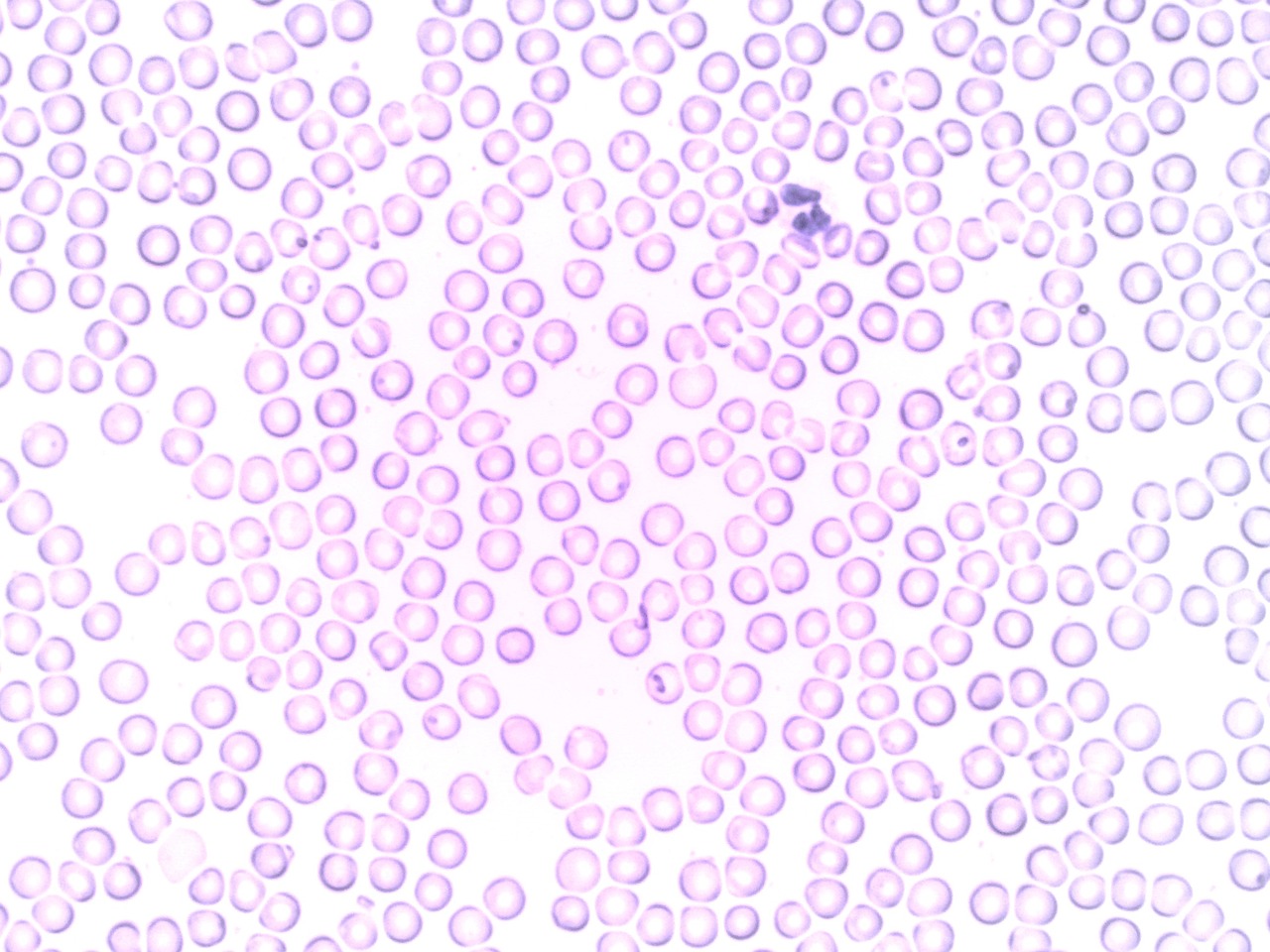
Clearing the wreckage is what makes room for the repair work that follows.
5. The response switches itself off
Scientists used to assume inflammation simply faded away once the threat was gone. The evidence now says otherwise. Studies in animals suggest that resolution, the process that ends the response, is active and programmed: the body manufactures its own stop signals, molecules built from omega-3 fatty acids, called specialized pro-resolving mediators, that actively shut the response down.
Once the response resolves, repair begins. Damaged tissue gets rebuilt, and things return to normal.
How this plays out: a cut on your finger
Wound healing runs in overlapping phases, according to a review in Cellular and Molecular Life Sciences. A small wound shows the whole sequence on a timetable.
| When | What’s happening |
|---|---|
| First 5 to 10 minutes | Blood vessels tighten to slow the bleeding, and a clot forms. Then the vessels open up and the inflammatory phase begins. |
| Hours to day 3 | The inflammatory phase is in full swing. Neutrophils arrive; if the wound stays uninfected, they stay for 2 to 5 days. |
| Around day 3 | Monocytes arrive and turn into macrophages, which clean out dead cells and debris. |
| Days 4 to 21 | New tissue grows and the wound closes. |
| 3 weeks to a year | The new tissue reorganizes and the scar matures. |
This is what working inflammation looks like. It starts, does its job and switches off.
Acute vs. chronic inflammation
Acute inflammation is short and local. Chronic inflammation lasts months or years. The differences run through what starts each one, how long it lasts and what you notice.
| Acute | Chronic, disease-driven | Low-grade chronic | |
|---|---|---|---|
| What starts it | Injury or infection | Autoimmune attack or a persistent infection | Stress, poor diet, inactivity, excess body fat and other ongoing factors |
| How long it lasts | Hours to days | Months to years | Years |
| What you notice | Redness, heat, swelling, pain | Clear, ongoing symptoms | Often nothing, or vague symptoms |
| Examples | A cut, a sprain, a sore throat | Rheumatoid arthritis, Crohn’s disease, psoriasis | Inflammaging, metaflammation |
Acute inflammation
Acute inflammation is fast, localized and self-limiting. It concentrates on the affected spot and resolves within hours or days. A cut on your finger, a sprained ankle and a sore throat from a cold virus all follow this pattern.
Chronic inflammation from disease
Chronic inflammation of this kind starts when the immune system attacks healthy tissue. It can also start when an infection the body can’t clear keeps the response running. Either way, it lasts months or years, and the symptoms are hard to miss. People with these conditions live with clear, persistent symptoms: joint pain and swelling in rheumatoid arthritis, gut inflammation in Crohn’s disease and skin plaques in psoriasis.
Low-grade chronic inflammation
Low-grade chronic inflammation is systemic, meaning it involves the whole body rather than one spot. It’s “sterile,” meaning there’s no infection driving it. And it’s persistent, running for years at a low simmer. A review in Nature Medicine describes this state: it often produces no clear symptoms at all. Over the years, it gradually damages tissues and organs.

Researchers have names for some versions of it. Metaflammation is the metabolic inflammation that accompanies metabolic disease (conditions that disrupt how the body uses and stores energy), driven by an excess of nutrients. Excess nutrients means more fuel coming in than the body needs. Inflammaging is the low-grade inflammation that develops with age and contributes to age-related diseases. The two share mechanisms. Gut bacteria play a central role in both.
Why inflammation sometimes doesn’t switch off
Low-grade chronic inflammation develops when something prevents the acute response from resolving. The off switch exists, but certain factors keep holding it down.
The main ones, identified in the Nature Medicine review:
- Persistent infections that keep the immune system activated.
- Physical inactivity.
- A poor diet.
- Environmental and industrial toxicants.
- Psychological stress.
Excess body fat and excess nutrients feed metaflammation, adding another driver to the list.
These factors keep going day after day. Because they keep arriving, the response doesn’t get the chance to resolve. Changing these factors is the core of how to reduce inflammation.
Is inflammation good or bad?
Inflammation is both, and how long it lasts decides which. Short bursts of inflammation are critical for surviving injuries and infections. Without them, a wound wouldn’t close and an infection would spread unchecked.
The problem starts when the response stops resolving. Inflammation that lingers for months or years, even at low intensity, damages the very tissue it was meant to protect. Same mechanism, opposite outcome.
What decides the outcome is whether the response switches off.
What chronic inflammation does to the body over time
Over time, low-grade chronic inflammation damages tissues and organs. It is linked to a long list of major diseases: cardiovascular disease, cancer, diabetes, chronic kidney disease, non-alcoholic fatty liver disease and autoimmune and neurodegenerative disorders.
The same Nature Medicine review reports that more than half of all deaths worldwide are attributable to inflammation-related diseases. That’s attribution, not proof of cause in every case. These diseases have multiple drivers, and inflammation is one of them.
The good news: many of the factors that keep low-grade inflammation switched on can change. Diet, activity and stress are all on that list.
How to tell if you have inflammation
Acute inflammation announces itself plainly: the affected area turns red, warm, swollen and painful, and sometimes stops working properly. You rarely need a test to confirm a sprained ankle.
Low-grade chronic inflammation is a different story. It often produces no clear signals, and when it does, they’re vague: tiredness that doesn’t lift, aching joints and digestive trouble. Each of these has many possible explanations, which is what makes this type hard to pin down. Learn to read the signs of chronic inflammation before blaming it for everything.
A blood test can show it. The most common one measures C-reactive protein, or CRP, a liver protein that rises with inflammation. A raised result says inflammation is present somewhere in the body; it doesn’t say where or why. Blood tests for inflammation each measure something different, and a result needs context. The test itself is ordered and interpreted by a doctor. If vague symptoms don’t go away, that’s the conversation to have with them.
Frequently asked questions
What does inflammation mean in simple terms?
It means your body is defending itself. When it detects an injury, an infection or something it treats as a threat, blood flow increases to the area and white blood cells move in to fight the problem and start repairs. In short bursts, that’s healing working as designed. When the response stays switched on for months or years, it starts to damage healthy tissue instead of protecting it.
What are the 5 signs of inflammation?
The five classic signs are redness, heat, swelling, pain and loss of function. They come from the mechanics of the response: extra blood flow causes redness and heat, leaking fluid causes swelling and sensitized nerves cause pain. Severe swelling can also stop the area from working normally. These signs describe acute inflammation, the kind you can see and feel at the site of an injury or infection.
What is the major cause of inflammation in the body?
It depends on the type. Acute inflammation is caused by injury and infection, its two classic triggers. Low-grade chronic inflammation, the kind that persists for years, is linked to ongoing factors: infections that don’t clear, physical inactivity, a poor diet, environmental toxicants, psychological stress and excess body fat. Because these factors are ongoing, the inflammatory response doesn’t get the signal to resolve.
Can inflammation go away on its own?
Acute inflammation is designed to. In animal studies, resolution looks like an active process: the body produces its own pro-resolving molecules that shut the response down once the threat is gone, usually within days. Low-grade chronic inflammation doesn’t clear on its own, because whatever is driving it, such as ongoing stress, inactivity or poor diet, keeps re-triggering the response. It eases when the factors sustaining it change.
Can food cause inflammation?
A poor diet is one of the factors that keep low-grade inflammation going, according to the Nature Medicine review. Eating patterns as a whole matter more than any single food, and researchers study them by association rather than as direct cause. Some foods that cause inflammation show up again and again in those patterns, and an anti-inflammatory foods list covers what to eat more of.