Red Onion
Why red onion is anti-inflammatory
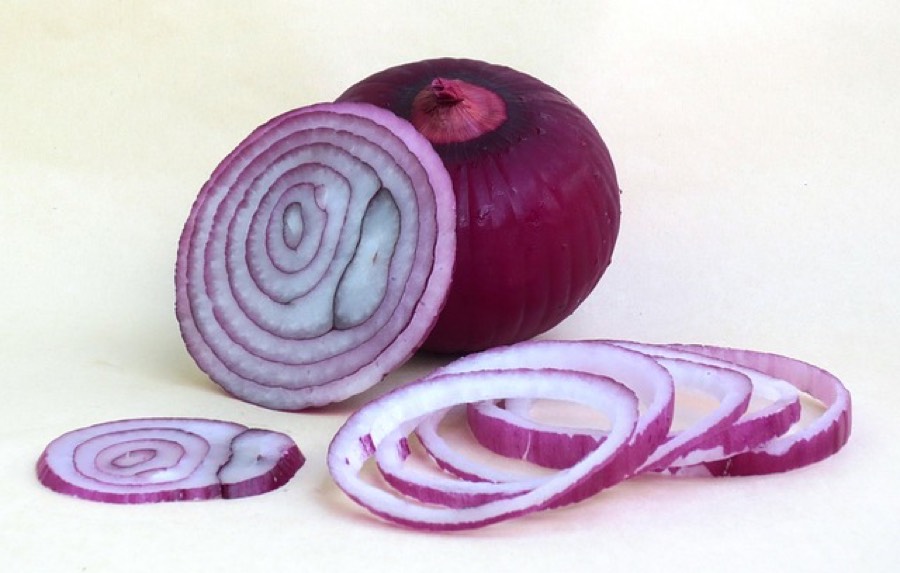
Red onion is anti-inflammatory, and two plant compounds account for that: anthocyanins, the pigments that turn the rings purple, and quercetin, which red bulbs hold more of than white ones.
Both have been tested mainly as concentrated supplements rather than as food, and in those trials the inflammation signals measured in a blood sample came down. A red onion delivers a small fraction of a capsule dose, so it works as an everyday habit rather than as a treatment.
Both compounds sit mostly in the outer rings, just under the dry skin, so peel the papery layer and stop there. They also dissolve in water, which means a long simmer leaves some of them behind in the pan.
Pick bulbs that feel heavy and firm, with the skin still wrapped around them. Soft patches and green shoots mean the bulb has been stored a long time. Colour is a rough guide to how much pigment you are getting: some bulbs stay purple several rings deep, others fade to white right under the skin.
Red onion is usually eaten raw, in salads, sandwiches and salsa, and that is the form that keeps most of both compounds. If the taste is too sharp, slice it thin and leave it in lime juice or vinegar for ten minutes. Onion is also one of the highest-FODMAP vegetables, so go slowly if you have irritable bowel syndrome.

Red Onion on the AIP diet
Red onion is allowed on the Autoimmune Protocol from the first day of elimination. The protocol takes out grains, legumes, nuts, seeds, nightshades and dairy, and a bulb vegetable is none of those. It earns its place when the seasoning list is short, because raw slices add bite to plain meat and greens. Watch your own gut, though: onion is very high in FODMAPs and a common trigger for sensitive digestion.
Benefits
- Carries anthocyanins, the purple pigments linked to lower inflammation
- Holds more quercetin than a white onion, and costs the same
- Usually eaten raw, which is what keeps both compounds intact
- Fits the AIP diet, elimination phase included
Watch out for
- One of the highest-FODMAP vegetables, so it can set off IBS symptoms
- A long simmer leaves part of both compounds in the water
- Peeling several rings deep throws away the richest part of the bulb
- Crispy fried onion toppings are mostly batter, oil and salt
Frequently asked
Is red onion inflammatory?
No, red onion is anti-inflammatory. It carries anthocyanins, the pigments behind its purple colour, and more quercetin than a white onion. Both are plant compounds linked to lower inflammation.
Is red onion better than white onion?
For inflammation, yes. White onions carry very little quercetin and no anthocyanins at all, so a red bulb gives you both for the same money. For cooking, the difference is mostly taste: red is milder raw.
Is raw red onion better than cooked?
Raw keeps the most, because both compounds dissolve into water and a long simmer leaves some of them in the pan. Roasting or frying is fine, since almost no water is involved.
Can you eat red onion on the AIP diet?
Yes. It is a bulb vegetable, and the elimination phase removes grains, legumes, nuts, seeds, nightshades and dairy. Start with small amounts if your digestion is sensitive, because onion is very high in FODMAPs.
Anti-inflammatory recipes with Red Onion

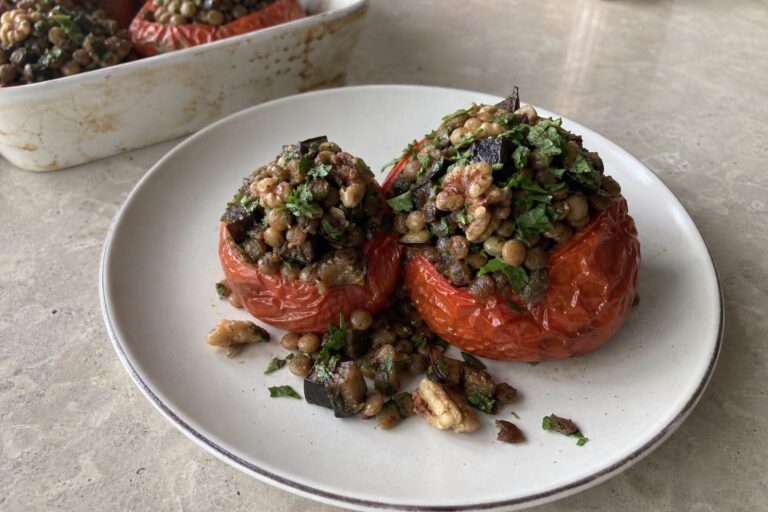
Eggplant and Lentil Stuffed Tomatoes Recipe

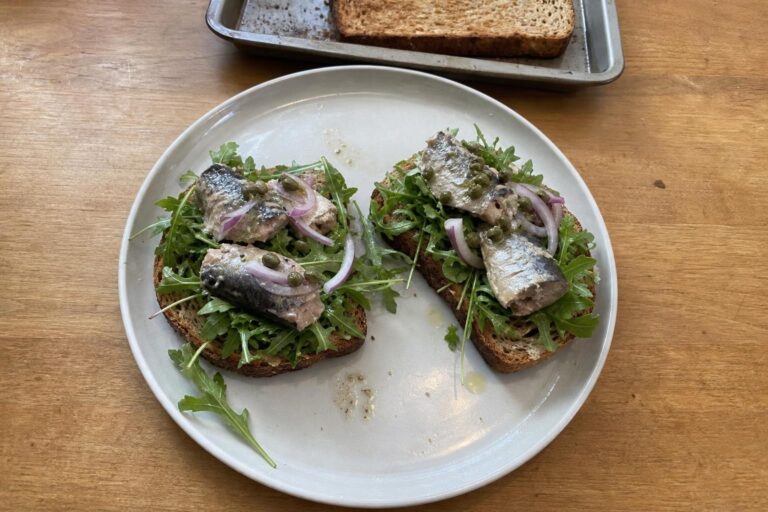
Sardine and Arugula Whole-Grain Toasts Recipe

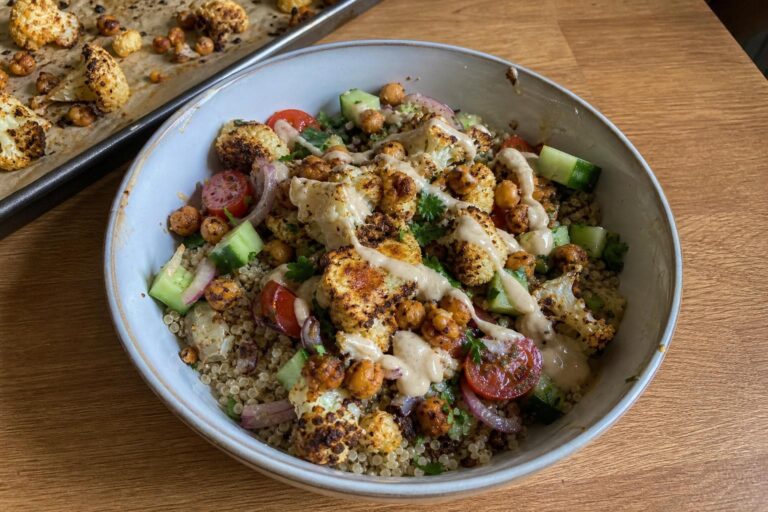
Roasted Cauliflower and Chickpea Shawarma Bowls Recipe

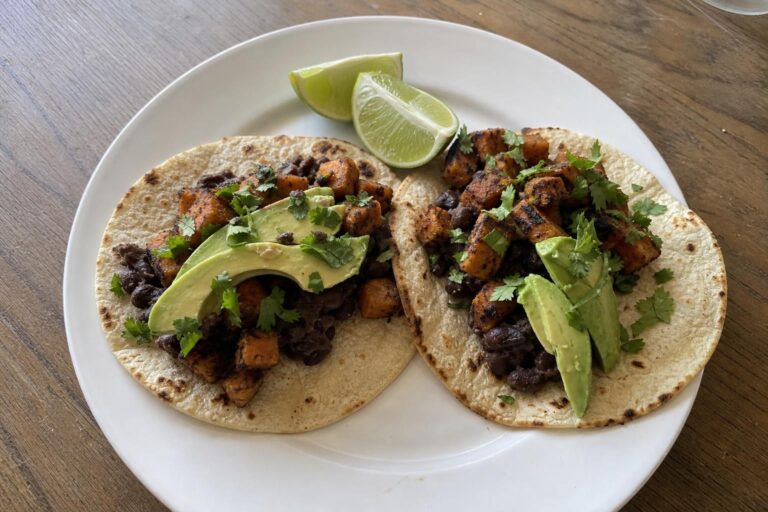
Black Bean and Sweet Potato Tacos Recipe

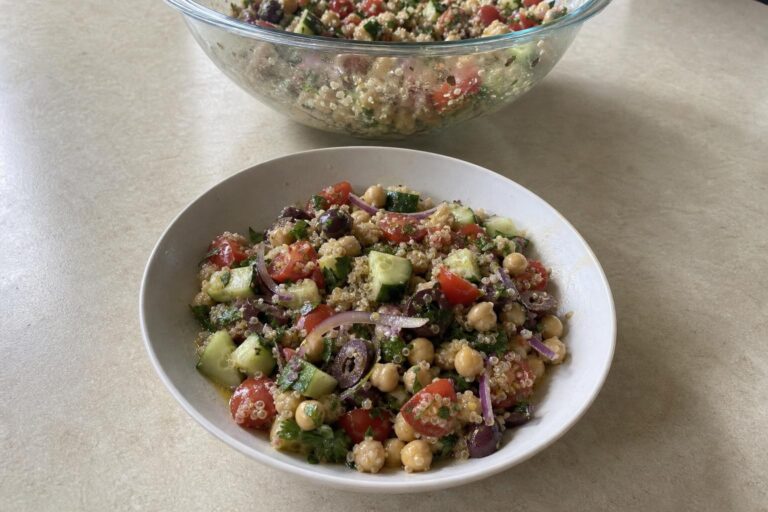
Mediterranean Chickpea and Quinoa Salad Recipe