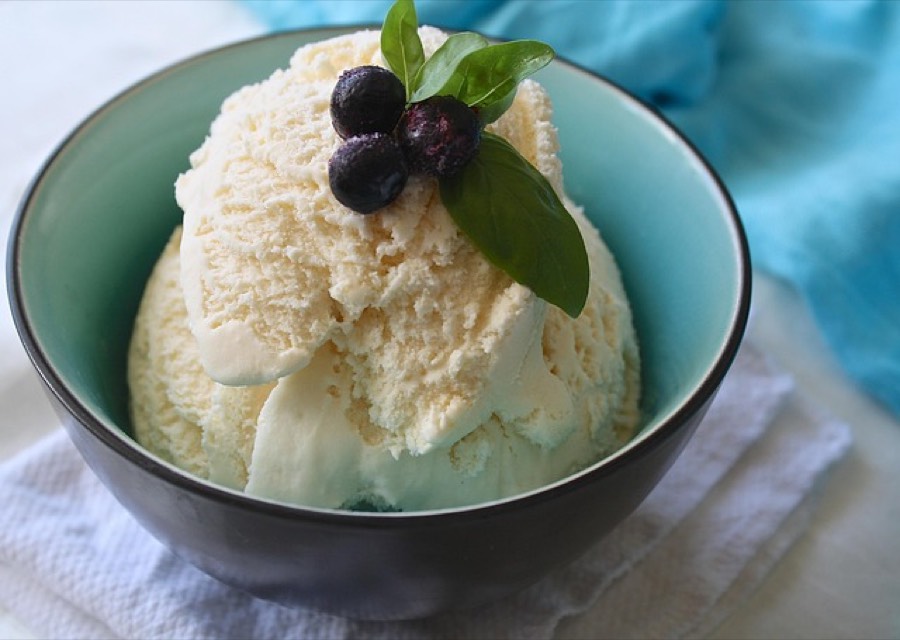
Ice Cream
Why ice cream is inflammatory
Ice cream is inflammatory. It is milk and cream churned with sugar and frozen, and sugar sits near the top of the ingredient list, just behind the dairy. One scoop carries about three teaspoons of it, plus roughly a quarter of an adult’s recommended daily limit for saturated fat. That pairing puts ice cream at 7 out of 10 on our inflammation scale.
Ice cream also belongs to the group nutritionists call ultra-processed food. People who eat more of that group have higher levels of C-reactive protein, a blood marker that rises when inflammation is present. Those readings come from a single point in time, so they show a pattern rather than proof that one food raised it.
Ice cream usually holds emulsifiers such as carrageenan, which keep it smooth instead of grainy. In a trial where healthy adults ate one emulsifier a day for four weeks, none of them raised inflammation markers, though their gut bacteria produced less of the short-chain fatty acids they make from fibre. The additives are not what earns ice cream its score. The sugar and the fat are.
Turn the tub around before you buy. Milk, cream, sugar and egg is a plain dairy ice cream. If the pack says frozen dairy dessert, vegetable oil has replaced part of the milk fat, which is cheaper to make and leaves the sugar untouched. Check the sugar per serving, then check the serving, because it is usually half a cup and almost nobody stops there.
Serve it in a small bowl and put the tub back in the freezer. Two spoonfuls over berries makes it the topping rather than the dish. For something cold and creamy more often, blend frozen banana until smooth.

Ice Cream on the AIP diet
Ice cream is out during the elimination phase of the Autoimmune Protocol, and it fails on several counts at once: dairy, cane sugar, usually egg yolk, and the emulsifiers that AIP removes along with other additives. Coconut milk versions sweetened with a little honey fit the rules, though they are still a dessert. Dairy is one of the last foods people try adding back.
Benefits
- Made from milk and cream, so a scoop brings calcium and a little protein
- The fat and protein slow how fast its sugar reaches your blood
- Plain vanilla, chocolate and fruit tubs need very few ingredients
- A scoop is a visible portion, easier to judge than sugar stirred into drinks
Watch out for
- Sugar sits near the top of the ingredient list, just behind the dairy
- One scoop holds about a quarter of a day's saturated fat
- Nobody eats the half-cup serving printed on the tub, and that is where the numbers come from
- Frozen dairy desserts replace part of the milk fat with vegetable oil
Frequently asked
Is ice cream inflammatory?
Yes. It sits at 7 out of 10 on the inflammation scale, and the reason is the two things it is mostly made of: added sugar and dairy fat. The additives that get blamed for it are a much smaller part of the picture.
Is gelato better than ice cream?
A little. Gelato is churned with less air and less cream, so a scoop usually carries less fat, but it is often sweeter to make up for it. The size of the portion matters more than the name on the shop.
Are dairy-free ice creams less inflammatory?
Not by default. Coconut and oat versions swap the milk fat for coconut or vegetable oil and keep the same sugar. They suit people who cannot digest lactose, which is a separate question from inflammation.
Is ice cream allowed on the AIP diet?
No, not in the elimination phase. It brings dairy, cane sugar and usually egg together in one bowl. A coconut milk version sweetened with a little honey fits the rules, but it is still a dessert.