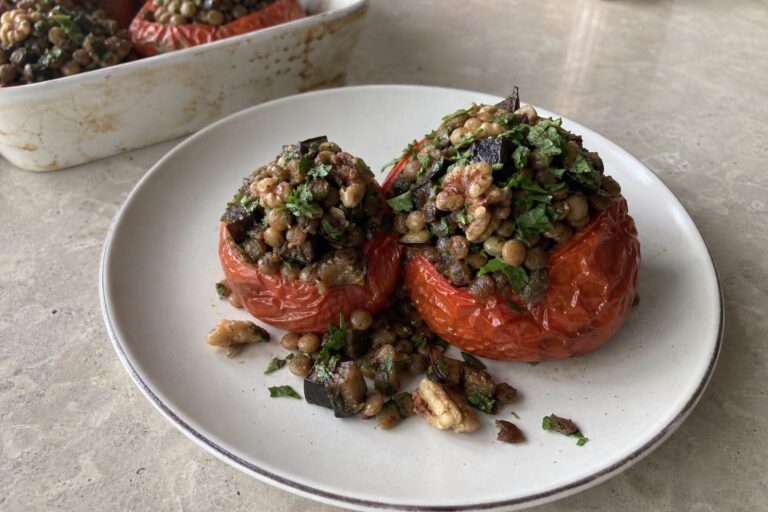
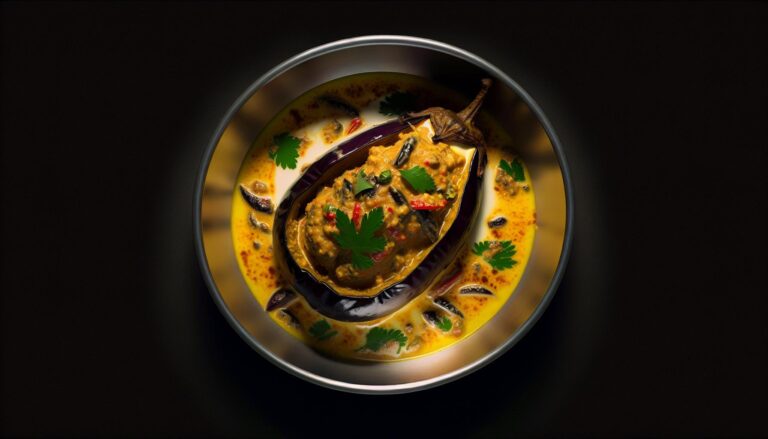
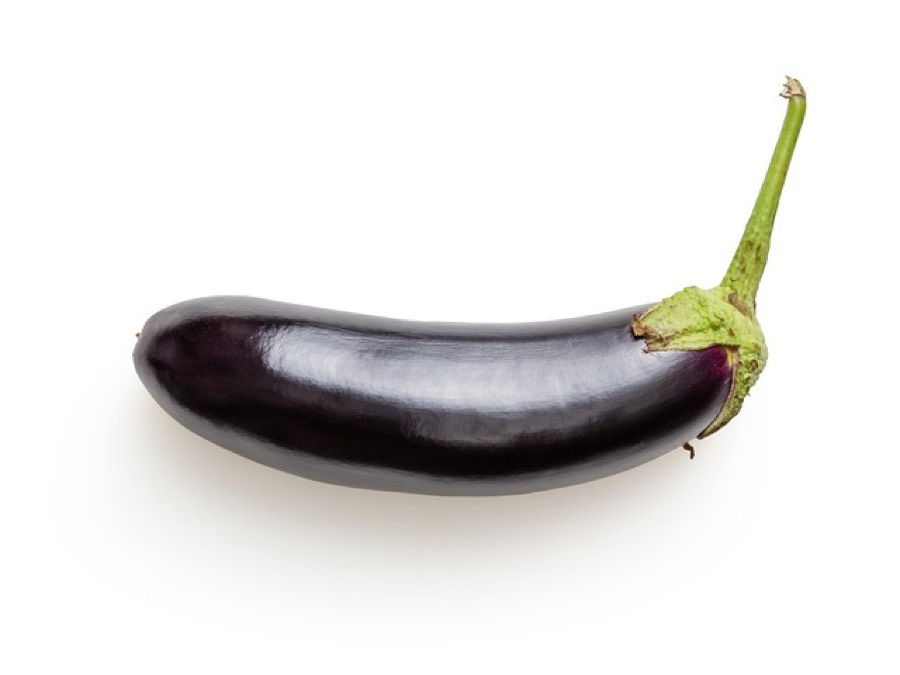
A whole purple eggplant with its green stem on a white background

Eggplant

Anti-InflammatoryVegetables
Low
Inflammation Score
2/10
Anti-inflammatoryInflammatory
Serving size
1 cup cubed, cooked (99 g)
Key nutrients
NasuninChlorogenic acidFiberManganese
How often
A few times a week, roasted or grilled with the skin on

Why eggplant is anti-inflammatory

Eggplant is not inflammatory, thanks in part to nasunin, the pigment that makes the skin purple. Nasunin works as an antioxidant: it neutralises the reactive molecules your cells produce as waste, and the damage those molecules leave behind is part of what drives low-level inflammation. Peel it and you throw that pigment away.

Nasunin has been tested in the laboratory, not in people. In those tests it neutralised reactive molecules and protected the fats inside cells from damage. That is a reason to keep the skin on, not evidence that eating eggplant lowers inflammation.

The pale flesh carries chlorogenic acid, another antioxidant and the main plant compound in coffee. Heat does not destroy it: when researchers cooked eggplant several ways, the amount they measured rose with the temperature, dropping only at the top of an oven’s range.

That flesh is full of air pockets, and frying fills them with oil. A fried slice can carry several times the fat of a roasted one, so how you cook it matters more than the vegetable itself. In a parmigiana, the oil and the cheese add up to more than the eggplant.

Pick an eggplant that feels heavy for its size, with tight, shiny skin. Roast or grill it with the skin on, brushing the oil on rather than pouring it. Eggplant is a nightshade, and some people with an autoimmune condition feel better without that family of plants. No test tells you in advance whether you are one of them.

Eggplant on the AIP diet

Eggplant is off the plate during the elimination phase of the Autoimmune Protocol. The protocol removes every nightshade, and eggplant is one of them, so there is no allowed portion and no way of cooking it that changes that. It is often among the first nightshades people try bringing back at reintroduction, and plenty handle it without trouble. Baba ganoush and moussaka wait until then.

Benefits

  • Nasunin, the pigment in the purple skin, is an antioxidant you lose by peeling
  • Chlorogenic acid in the flesh holds up to cooking, so roasting keeps it
  • Filling and very low in calories, so it pads out a meal cheaply
  • Its texture carries a main course without any meat in it

Watch out for

  • A nightshade, so it comes out at the start of an autoimmune elimination diet
  • The flesh is full of air pockets and soaks up oil in a frying pan
  • Peeling throws away the skin, where the antioxidant pigment sits
  • Parmigiana, moussaka and tempura bring more oil and cheese than vegetable

Get the inflammation score of any meal

Just snap a photo or describe your food to get its inflammation score and uncover hidden patterns that may be affecting your well-being.

Download on the App StoreGet it on Google Play
InflammaScan app

Frequently asked

Is eggplant inflammatory?

No, eggplant is not inflammatory for most people. The purple skin carries nasunin, a pigment that acts as an antioxidant, and the pale flesh carries chlorogenic acid, which does the same job. Some people with an autoimmune condition react to nightshades, and eggplant is one, but that is personal rather than a rule for everybody.

Does eggplant cause joint pain?

There is no good evidence that it does in people generally. The idea comes from eggplant being a nightshade, the plant family that also includes tomatoes, peppers and white potatoes. Some people with arthritis say their joints settle once they cut those foods out, and the only way to find out is to leave them off your plate for a few weeks.

Should you eat the skin of an eggplant?

Yes. The skin holds nasunin, the pigment that gives eggplant its colour and works as an antioxidant, so peeling costs you the part with most to offer. If the skin feels tough, slice it thin or roast it for longer to soften it.

Is fried eggplant still healthy?

Much less so than roasted or grilled. The flesh is full of air pockets, so a slice in a hot pan takes up a lot of oil, and a fried portion can carry several times the fat of a roasted one. Brushing oil on before roasting gives you the same taste for far less oil.

The easiest way to follow an anti-inflammatory diet.

Identify inflammatory foods in seconds, log your symptoms and discover what’s inflaming you. Includes hundreds of recipes.

Download on the App StoreGet it on Google Play
InflammaScan app