Kombucha
Why kombucha is anti-inflammatory
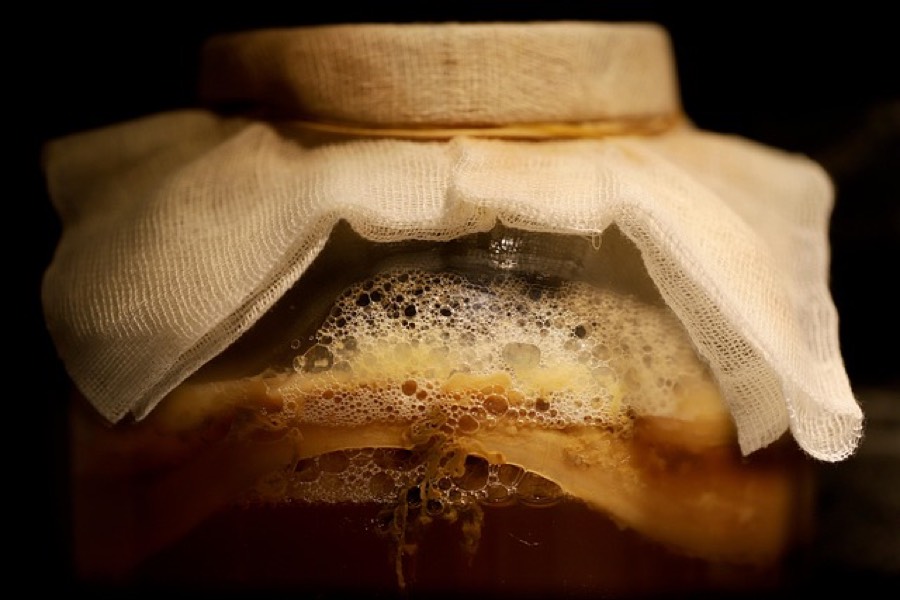
Kombucha is anti-inflammatory partly because of the polyphenols it keeps from the tea leaf, plant compounds researchers have studied for their possible role in reducing inflammation. Kombucha is sweetened black or green tea left for one to two weeks with a culture of bacteria and yeast, which feed on most of the sugar and turn it into acids. Those polyphenols come through fermentation intact, and the finished drink carries the live microbes too.
What this does to inflammation in people is barely tested. Healthy adults who drank a serving a day for four weeks finished with the inflammation markers in their blood unchanged. The clearest human result so far is about blood sugar. Adults with type 2 diabetes who drank kombucha daily for four weeks had lower fasting blood sugar, and blood sugar that runs high is linked to inflammation. Only twelve people took part, so it is a starting point rather than an answer.
How much sugar is left is the main difference between one bottle and another. Fermentation eats a good part of the sugar, but many brands sweeten the drink again with juice or sugar afterwards, and a bottle often holds two servings. Check the sugar per serving and how big the label says a serving is. Raw or unpasteurised on the label means the microbes are still alive. Heat-treated kombucha has none.
Start with half a glass a day and keep the bottle cold. Fermentation leaves a trace of alcohol, and commercial bottles are meant to stay under half a percent, while home brews can go higher. Skip the unpasteurised kind if you are pregnant or your immune system is suppressed.

Kombucha on the AIP diet
Kombucha is allowed on the Autoimmune Protocol, elimination phase included. It is made from tea, which is a leaf rather than a seed, so it stays in where coffee does not, and the protocol encourages fermented foods for the live microbes they carry. Buy it plain, since fruit-flavoured bottles carry added sugar. The yeasts are the caveat: some people with autoimmune conditions react to them, so start small.
Benefits
- Keeps the polyphenols of the tea it is brewed from
- Carries live bacteria and yeasts that reach the gut alive
- In a small pilot, it lowered fasting blood sugar in adults with diabetes
- Allowed in every phase of the AIP protocol, unlike coffee
Watch out for
- Four weeks of daily kombucha left healthy adults' inflammation markers unchanged
- Many bottles are sweetened again with juice or sugar after fermenting
- Fermentation leaves alcohol behind, and home brews can pass half a percent
- Unpasteurised bottles are not for pregnancy or a suppressed immune system
Frequently asked
Is kombucha inflammatory?
No. It is fermented tea, and the tea polyphenols come through fermentation into the bottle alongside live bacteria and yeasts. Sugar is the thing to watch, because many brands sweeten the drink again with juice after it ferments, and a sweetened bottle can carry as much sugar as a soft drink.
How much kombucha should you drink a day?
One glass is enough, and half a glass is a sensible start if kombucha is new to you. More does not buy you more, and it adds sugar, acid and a trace of alcohol along the way.
Is kombucha good for your gut?
It carries live bacteria and yeasts, and they reach the gut alive. What they do once there is less clear. Four weeks of daily kombucha shifted the gut bacteria of healthy adults only modestly, and their blood markers of inflammation did not move.
Can you drink kombucha on the AIP diet?
Yes, in every phase, elimination included. It is made from tea, a leaf rather than a seed, so it stays in where coffee goes out. Buy it plain and start with a small glass, since some people react to the yeasts.