Coconut Milk
Where coconut milk sits on the inflammation scale
Coconut milk is mildly anti-inflammatory, and the reason is what it does not contain. There is no lactose in it, no milk protein, no gluten and no grain, so there is very little for the immune system to react to. That is why it ends up being the everyday milk for people who have cut everything else out.
The fat is what keeps it from scoring lower. Coconut milk is coconut flesh pressed with water, so it is rich in saturated fat. Half a cup of the canned kind carries about three times the saturated fat of a spoonful of butter, and it goes into a curry without anyone noticing. That is why coconut milk scores 4 out of 10 on the inflammation scale.
It does not behave like coconut oil, though, even though both come from the same coconut. In one trial, coconut milk lowered bad cholesterol in the people who started with high levels, while the oil, eaten in the same amount, did not. The difference is that the milk brings the flesh with it, so protein and fibre arrive alongside the fat. The oil is the fat on its own.
The carton in the fridge aisle is a different drink altogether. It is mostly water with a little coconut cream stirred through, so there is barely any fat left in it. What it does carry is a longer ingredient list. Some brands thicken it with carrageenan, a gum made from seaweed that is suspected of irritating a gut that is already sore. A can with two things in it, coconut and water, is the one to buy.

Coconut Milk on the AIP diet
Coconut milk is allowed during the elimination phase of AIP, and it is the plant milk the protocol leans on. Nothing in it comes from dairy, grains, nuts or seeds. The catch is the can: guar gum and carrageenan are both off the list, so check the label. Full fat coconut milk with two ingredients, coconut and water, is the one that fits.
Benefits
- No lactose, no milk protein and no grain, so it suits almost every elimination diet
- Nudges bad cholesterol down, which coconut oil on its own does not
- Most of its fat is the medium-chain kind, which the liver burns quickly
- A can with two ingredients is one of the least processed milks you can buy
Watch out for
- Half a cup canned carries about three times the saturated fat of a spoon of butter
- Some brands add carrageenan, a seaweed gum that can irritate an already sore gut
- Carton versions are mostly water, with almost no protein to replace milk
- Sweetened drinking versions hide sugar behind a health food label
Frequently asked
Is coconut milk inflammatory?
No, not on its own. There is no lactose in it, no milk protein and no grain, which are the things people usually react to. The fat is what to watch. Canned coconut milk is rich in saturated fat, so a whole tin in one meal is a lot even though the milk itself is calm.
What is the difference between canned coconut milk and the carton?
Fat, mostly. The can is pressed coconut flesh with a little water, so it is thick and rich and made for cooking. The carton is the opposite: mostly water, a spoonful of cream, and gums to hold it together. If a recipe says coconut milk, it means the can.
Is coconut milk allowed on the AIP diet?
Yes, and it is the plant milk the protocol relies on, since nuts, grains and dairy are all out. The label is where it gets fiddly. Guar gum and carrageenan are not allowed on AIP, and most cans have one or the other. Look for a can with coconut and water and nothing else.
Is coconut milk bad for cholesterol?
Not the way coconut oil is. The two get treated as the same food, but the milk carries the coconut flesh with it, and the protein and fibre that come along seem to change the outcome. Coconut milk tends to nudge bad cholesterol down. The oil does not.
Anti-inflammatory recipes with Coconut Milk

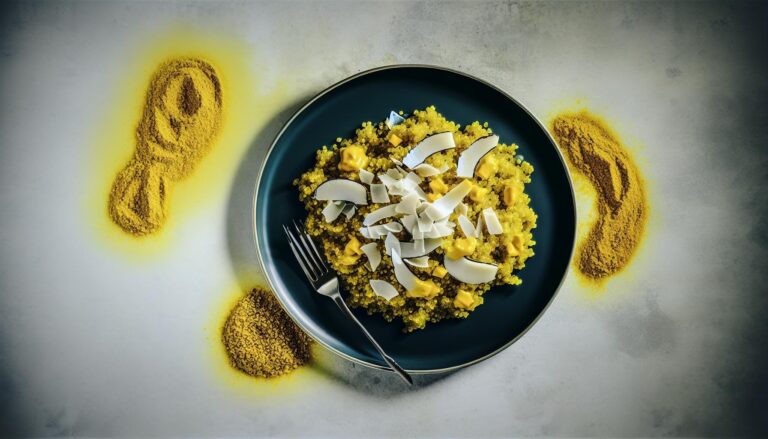
Coconut Turmeric Quinoa Pilaf Recipe

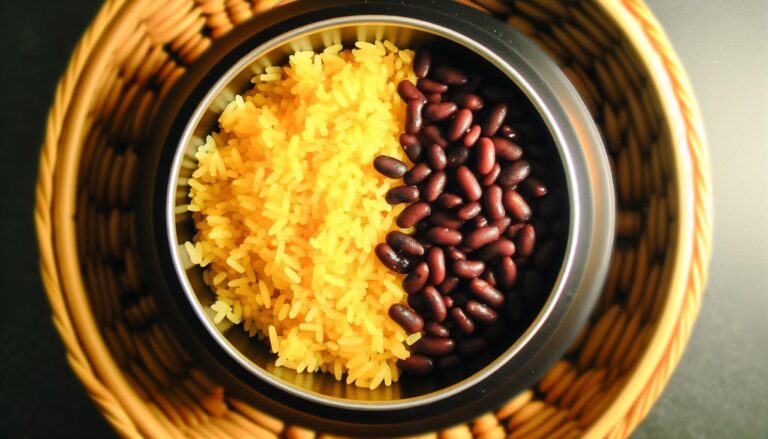
Golden Coconut Rice and Black Bean Bowl Recipe

Carrot Coconut Turmeric Smoothie Recipe

Coconut Blueberry Smoothie Bowl Recipe

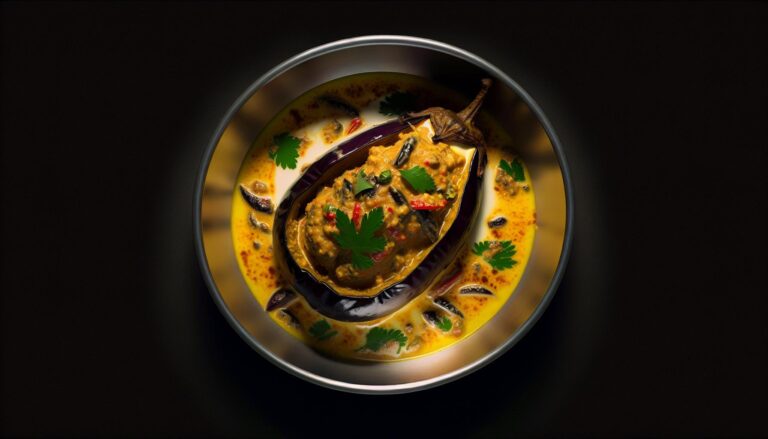
Coconut Curry Stuffed Eggplant Recipe