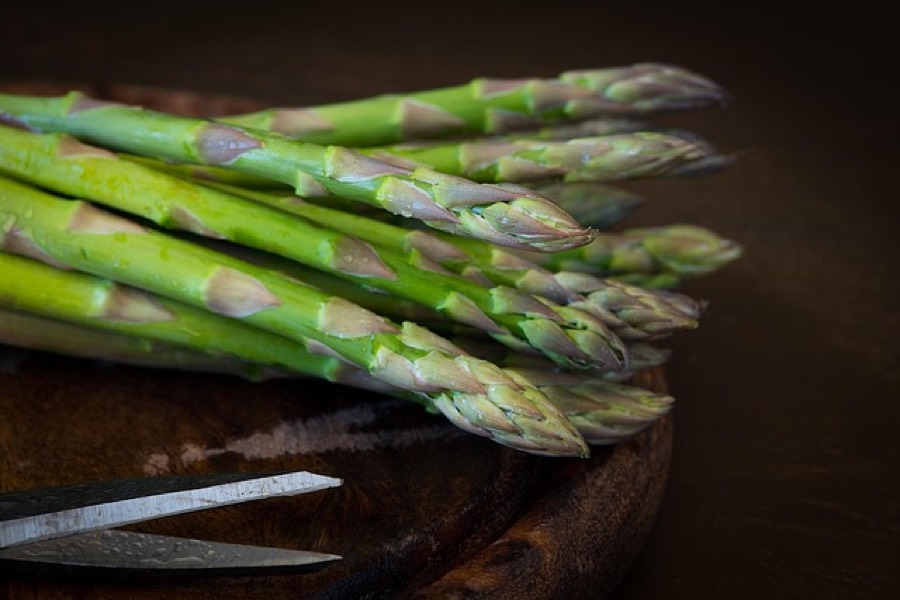
Bunch of raw green asparagus spears with tight tips on a wooden board

Asparagus

Anti-InflammatoryVegetables
Low
Inflammation Score
2/10
Anti-inflammatoryInflammatory
Serving size
1 cup cooked (180 g)
Key nutrients
Inulin (fructans)RutinFolateVitamin K
How often
A few times a week, roasted or steamed rather than boiled

Why asparagus is anti-inflammatory

Asparagus is anti-inflammatory, and most of that comes down to a fibre it carries called inulin. Your own gut cannot break inulin down, so it reaches the colon intact and the bacteria living there feed on it. As they digest the fibre they release short-chain fatty acids, and researchers link those substances to less inflammation in the gut wall.

In one laboratory study, human gut bacteria were fed digested asparagus, and the liquid they produced protected human gut cells from damage and inflammation. Those were cells in a dish, not people eating spears. Trials in people have tested inulin on its own, at doses well above what a portion of asparagus supplies, and the results are mixed.

Buy spears that feel firm, with the tips still tight and closed. Tips that have opened out or gone soft mean the bunch has been sitting around. Thickness tells you the age of the plant, not how tender it is. White asparagus is the same vegetable grown covered from the light. Kept in the dark it stays pale and builds up fewer of the antioxidant plant compounds found in the skin and tips of green spears.

Cut off the pale woody end, then roast or steam it. Boiling pulls the fibre and the vitamin C into water you then pour away. The bacteria in your colon produce gas as they ferment that fibre, so if you have irritable bowel syndrome, start with a few spears rather than a plateful.

Asparagus on the AIP diet

Asparagus is allowed on the Autoimmune Protocol from the first day of the elimination phase. It is a plain vegetable, not a grain, legume, nut, seed, nightshade or dairy, so nothing about it is restricted. One practical note: its fibre is fermented by your gut bacteria and can leave you gassy, so keep the portion modest at first and see how you feel.

Benefits

  • Carries inulin, a fibre your gut bacteria feed on rather than your own body
  • A cup cooked covers most of a day's folate and a good share of vitamin K
  • Very low in calories, so it fills out a plate without adding much else
  • Works roasted, steamed or grilled, and needs nothing more than oil and salt

Watch out for

  • Boiling leaches the fibre and vitamin C into water most people pour away
  • The same fibre that feeds gut bacteria causes gas and bloating in some people
  • Canned and jarred spears are often packed in a lot of salt
  • Hollandaise and cheese sauces add far more than the vegetable brings

Get the inflammation score of any meal

Just snap a photo or describe your food to get its inflammation score and uncover hidden patterns that may be affecting your well-being.

Download on the App StoreGet it on Google Play
InflammaScan app

Frequently asked

Is asparagus inflammatory?

No, asparagus is anti-inflammatory. It carries a fibre called inulin that your own gut cannot digest, so it arrives in the colon intact and feeds the bacteria that live there.

Is white asparagus as good as green?

It is the same plant, grown covered so the light never reaches it. That keeps it pale and leaves it with fewer of the antioxidant plant compounds that green spears build up in their skin and tips.

Does asparagus make you gassy?

It can. The bacteria in your colon ferment its fibre, and gas is part of that. If your gut is sensitive, start with a few spears rather than a plateful.

Can you eat asparagus on the AIP diet?

Yes. It is not a grain, legume, nut, seed, nightshade or dairy, so it stays on the plate from the first day of the elimination phase.

The easiest way to follow an anti-inflammatory diet.

Identify inflammatory foods in seconds, log your symptoms and discover what’s inflaming you. Includes hundreds of recipes.

Download on the App StoreGet it on Google Play
InflammaScan app