Bell Peppers
Why bell peppers are anti-inflammatory
Bell peppers are not inflammatory, and the reason to eat them is vitamin C. One red pepper holds more of it than an orange, which surprises people who treat peppers as crunch and colour on the side of a plate. Vitamin C is what your body spends repairing the everyday cell damage that keeps low-level inflammation running.
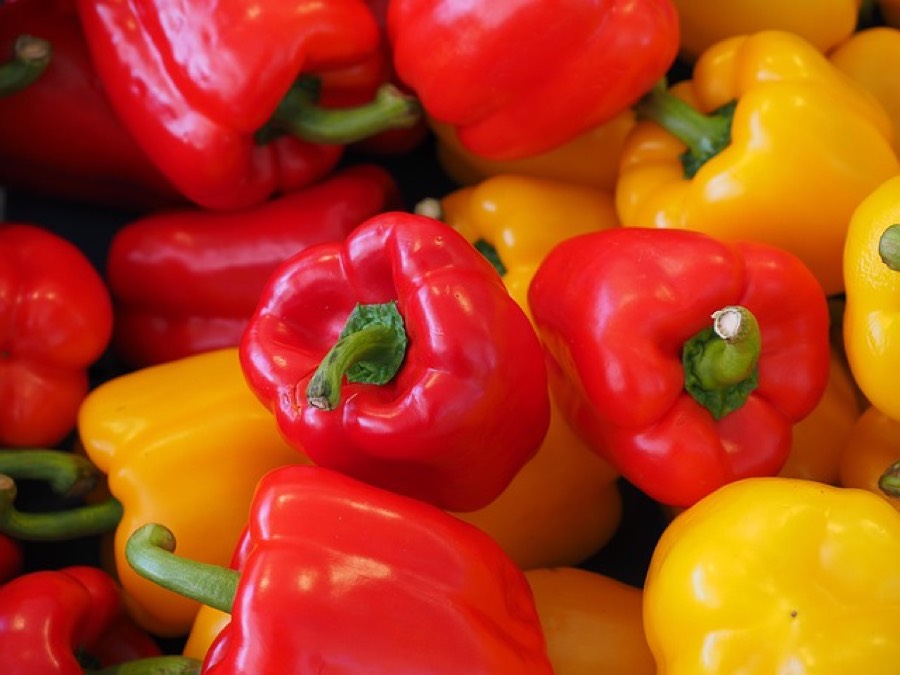
Green, yellow and red peppers are the same vegetable at different ages. A green one was picked early. Left on the plant it turns yellow, then orange, then red, building vitamin C and pigment the whole time. A red pepper holds roughly twice the vitamin C of a green one, so the colour is a rough guide to what is inside.
Vitamin C is fragile. It dissolves into water and breaks down with heat, so peppers boiled in a stew give you a fraction of what they started with. Raw strips keep almost all of it. Roasting costs you some, though it suits capsanthin, the red pigment, which survives heat and needs a little fat to reach your blood.
The one mark against them is the family they belong to. Peppers are nightshades, the same group as tomatoes and aubergines, and those plants carry defence compounds that can irritate the lining of the gut. A small number of people with an autoimmune condition or an irritable gut feel steadier once they stop eating them, and that is an individual answer rather than a rule. A sweet pepper has none of the heat of a chilli, and for most people it never causes any trouble.

Bell Peppers on the AIP diet
Bell peppers come out on the Autoimmune Protocol from day one. They are nightshades, and the elimination phase removes the whole family: peppers, tomatoes, eggplants, white potatoes and the spices ground from them, paprika and cayenne included. Peppers are one of the standard reintroductions later on, and plenty of people bring them back without trouble. During elimination there is no allowed amount.
Benefits
- One red pepper covers a full day of vitamin C, more than an orange does
- Capsanthin, the red pigment, is an antioxidant you get almost nowhere else
- One of the few vegetables people happily eat raw, the form that keeps the most vitamin C
- Sweet, filling and low in calories, so they stretch a plate without adding much
Watch out for
- A nightshade, so they come out on an autoimmune elimination diet
- Boiling and long stewing take most of the vitamin C with them
- Green peppers are picked unripe, so they carry the least of everything
- Stuffed peppers and fajita mixes arrive with cheese, oil and salt
Frequently asked
Are bell peppers inflammatory?
No, bell peppers are anti-inflammatory for most people, and they score 2 out of 10 on the inflammation scale. One red pepper carries more vitamin C than an orange. The exception is people who react to nightshades, and that is an individual thing rather than a general rule.
Are red peppers better than green ones?
Yes, and they are the same plant. A green pepper is simply an unripe one. Left to hang it turns yellow, then orange, then red, building vitamin C and pigment the whole time, so a red pepper ends up with about twice the vitamin C of a green one.
Are raw or cooked peppers better?
Raw, if what you want is the vitamin C, because it breaks down with heat and washes into cooking water. Roasting is the better way to cook them, since it keeps the pepper out of the water and a little oil helps the red and orange pigments into your blood. Long boiling costs you the most.
Can you eat bell peppers on the AIP diet?
Not during elimination. Peppers are nightshades, and the whole family comes out at the start, spices like paprika and cayenne included. They are one of the standard foods to bring back at reintroduction, and plenty of people handle them fine.
Anti-inflammatory recipes with Bell Peppers

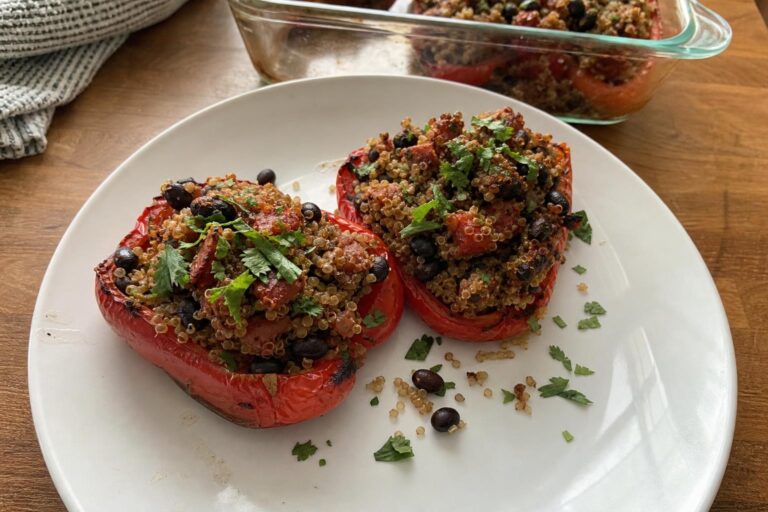
Quinoa-Stuffed Bell Peppers with Black Beans Recipe

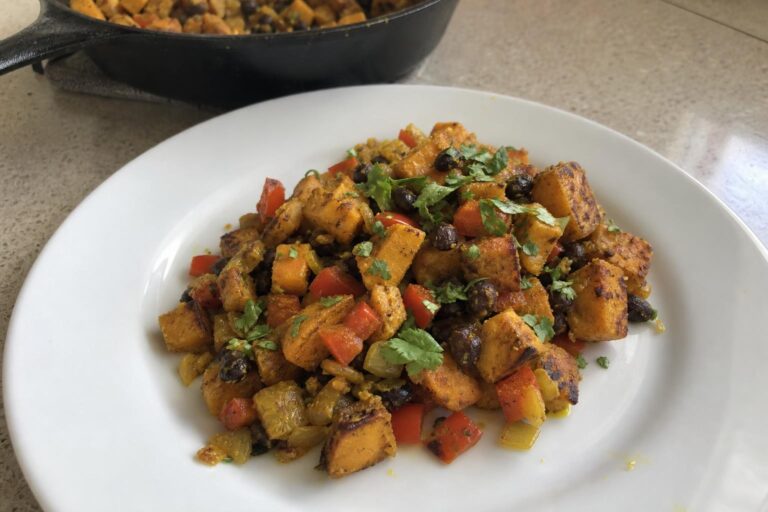
Sweet Potato and Black Bean Breakfast Hash Recipe

Golden Lentil Sloppy Joes Recipe

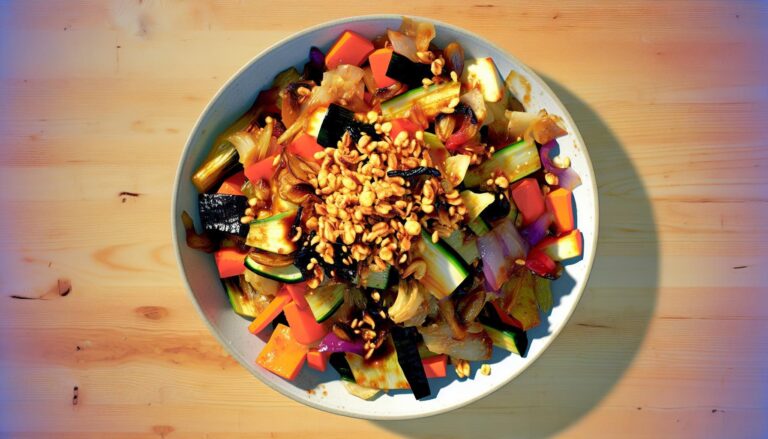
Miso and Ginger Roasted Veggie Bowl Recipe

Spicy Ginger Carrot Quinoa Stir Fry Recipe