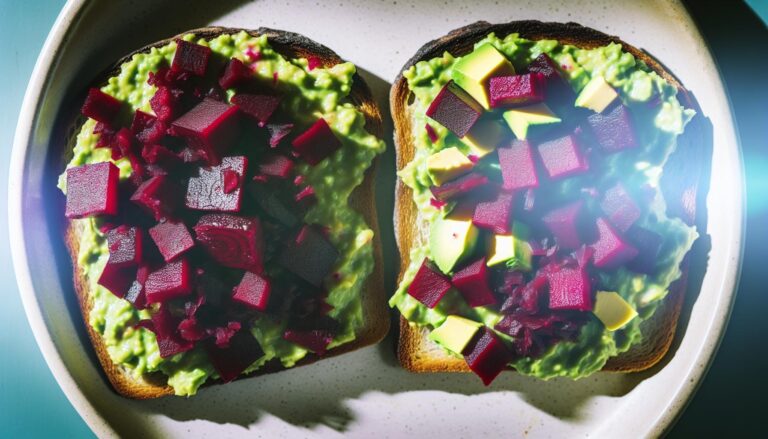
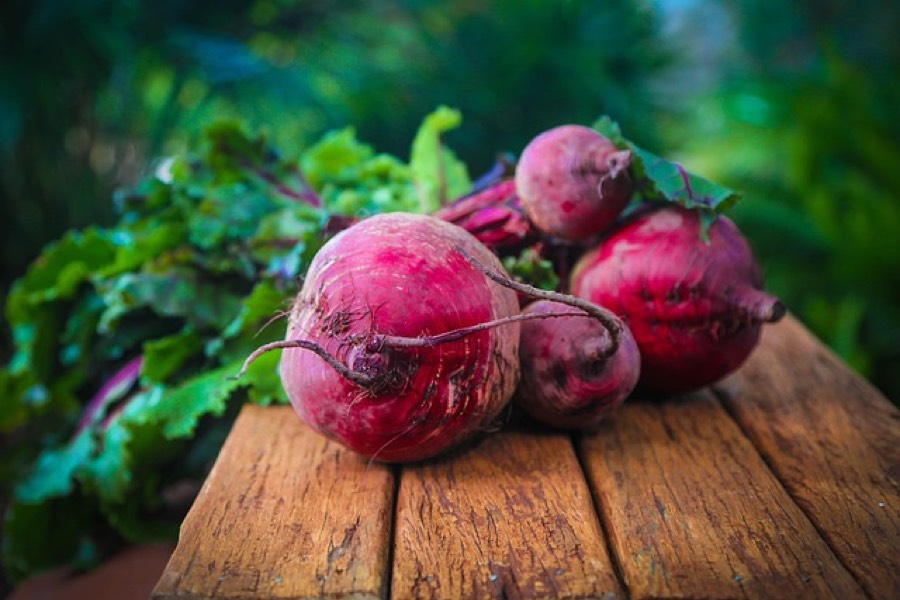
Fresh raw red beets with their leafy green tops on a wooden table

Beets

Anti-InflammatoryVegetables
Low
Inflammation Score
2/10
Anti-inflammatoryInflammatory
Serving size
1 cup cooked slices (170 g)
Key nutrients
Betanin (betalains)Dietary nitrateFolateFiber
How often
A few times a week, roasted whole or grated raw

Why beets are anti-inflammatory

Beets are anti-inflammatory, and a pigment called betanin is most of the reason. Very few other foods make it, which is why nothing else stains a chopping board the way a beet does. Betanin works as an antioxidant against the cell damage that feeds slow, low-level inflammation. Beets score 2 out of 10 on the inflammation scale.

The other half of a beet is nitrate, and what your body does with it is strange. Nitrate is useless to you on its own. Bacteria living on the back of your tongue have to turn it into nitrite first. Only then can your body make nitric oxide out of it, the gas that widens your blood vessels and lets blood through with less push behind it. The whole chain runs through a colony of microbes in your mouth, so antibacterial mouthwash wipes out most of what a beet does for you.

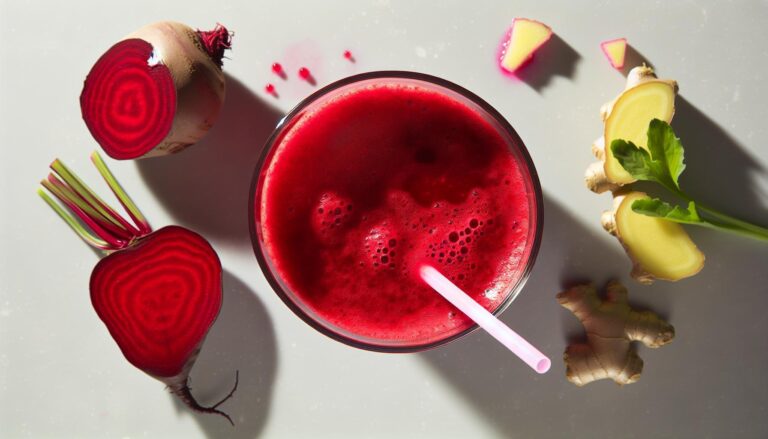
Drunk daily as juice, beets bring the top blood pressure number down by around five points in people whose pressure is already high. Eating the root itself works more slowly, but it hands you the fibre that juicing throws away.

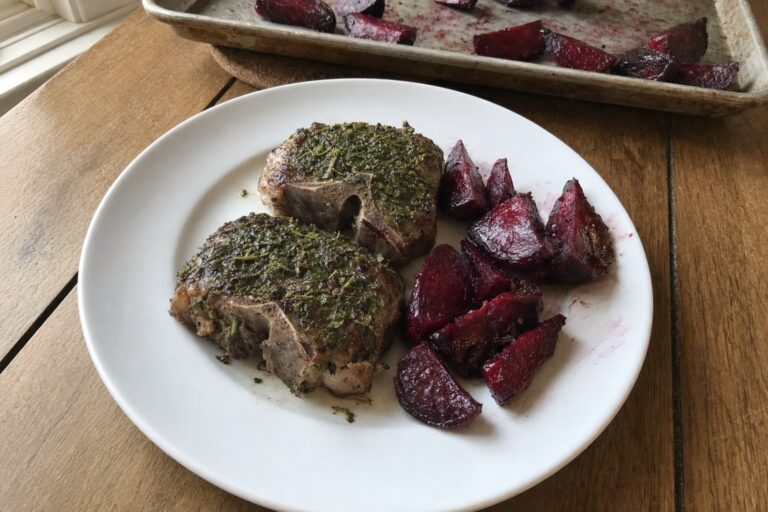
Cooking decides how much of all this you keep. Boiling sends the colour and the nitrate into the water, so roast them whole in their skins or grate them raw into a salad. Most beets sold in jars are pickled in vinegar and sugar, which makes them a condiment rather than a vegetable.

Beets on the AIP diet

Beets are allowed on the Autoimmune Protocol from the first day of the elimination phase. They are a root vegetable, so they sit clear of the grains, legumes, nuts, seeds, nightshades and dairy that come out. They also earn their place: with almost every starchy food gone, roasted beets are one of the few things left that taste sweet and still count as a vegetable. The leaves pass too.

Benefits

  • Their red pigment, betanin, is an antioxidant that very few other foods carry
  • One of the richest food sources of nitrate, which your body turns into nitric oxide
  • Drunk daily as juice, they lower the top blood pressure number in people whose pressure is high
  • The leaves cook like chard, so one bunch feeds you twice

Watch out for

  • Boiling washes the colour and the nitrate into the water
  • Antibacterial mouthwash kills the mouth bacteria the nitrate depends on
  • Beets in jars are pickled in vinegar and sugar, closer to a condiment
  • High in oxalates, which matters if you have had kidney stones

Get the inflammation score of any meal

Just snap a photo or describe your food to get its inflammation score and uncover hidden patterns that may be affecting your well-being.

Download on the App StoreGet it on Google Play
InflammaScan app

Frequently asked

Are beets inflammatory?

No, beets are anti-inflammatory. Their red pigment, betanin, is an antioxidant that very few other foods carry, and beets are also one of the richest sources of nitrate, which your body uses to widen blood vessels.

Why do beets turn your pee pink?

Because the pigment that colours the beet comes out the other end more or less intact. It happens to some people and not to others, it can last a day or two, and on its own it is harmless.

Is beet juice better than eating the beet?

Juice gets more nitrate into you at once, which is what the blood pressure studies use. It also throws away the fibre and leaves a very sweet drink. For most people the root itself, roasted or grated raw, is the better daily habit.

Can you eat beets on the AIP diet?

Yes, in every phase including elimination. A beet is a root vegetable, not a grain, legume, nut, seed, nightshade or dairy, and the leaves count too. What to skip is the pickled sort in jars, for the sugar and the additives.

The easiest way to follow an anti-inflammatory diet.

Identify inflammatory foods in seconds, log your symptoms and discover what’s inflaming you. Includes hundreds of recipes.

Download on the App StoreGet it on Google Play
InflammaScan app