Broccoli
Why broccoli is anti-inflammatory
Broccoli is anti-inflammatory, and the compound that earns it that is not in the broccoli you buy. A head keeps two things in separate cells. One is glucoraphanin, which does nothing on its own. The other is an enzyme called myrosinase. Cut the head or chew a floret, the cells break, and the two meet. What they make on the spot is sulforaphane. That is the part that works.
Sulforaphane does not fight inflammation head on. It flips a switch inside your cells, and they answer by turning on the defences they keep in reserve, the ones that neutralise damage and clear out waste. The compound is out of your blood within hours. The response it started carries on for a day or two. Broccoli scores 1 out of 10 on the inflammation scale for that reason. It does not hand you an antioxidant. It gets you to make your own.
So cooking matters more here than with almost anything else in the vegetable drawer. Boiling wrecks the enzyme, and the rest leaks into the water. Steam it for a few minutes instead and both survive. Chop it ten minutes before it meets the heat and the reaction has already happened. Frozen broccoli is blanched before freezing, so the enzyme is gone: stir a little mustard through it at the table and you put one back, because mustard seed is a cousin plant with the same enzyme.
The rest of the head is not filler. A cup covers a day of vitamin C, and the stalk most people bin holds the most fibre. Broccoli sprouts are the concentrated version, far richer in glucoraphanin than the grown head, and a small daily portion of them brings the inflammation markers of a blood test down in adults carrying extra weight.

Broccoli on the AIP diet
Broccoli is allowed on the Autoimmune Protocol from the first day of the elimination phase. It is a cruciferous vegetable, so it sits clear of the grains, legumes, nuts, seeds, nightshades and dairy that come out. It also earns its place: with rice, pasta and bread gone, a tray of roasted florets is one of the easiest ways to fill a plate.
Benefits
- Chopping or chewing it makes sulforaphane, which almost no other vegetable supplies
- That compound switches on your cells' own defences, so the effect outlasts the meal
- A cup covers a day of vitamin C, plus useful vitamin K and folate
- Cheap, sold all year round, and it freezes without falling apart
Watch out for
- Boiling destroys the enzyme that makes sulforaphane and leaches the rest into the water
- Frozen broccoli is blanched first, so that enzyme is already gone
- Cheese sauce and heavy dressings undo most of what the vegetable brings
- Its fibre and sulphur compounds leave some people bloated and windy
Frequently asked
Is broccoli inflammatory?
No, broccoli is anti-inflammatory. Chopping or chewing it sets off a reaction that makes sulforaphane, and that compound switches on the defences your own cells keep in reserve.
Is raw broccoli better than cooked?
Raw florets keep the enzyme that makes sulforaphane, so they work. A few minutes of steam keeps it too, and most people eat a proper portion that way. Boiling is the one method to avoid.
Does frozen broccoli still count?
Yes, and it is cheap and always in season. It gets blanched before freezing, which takes out the enzyme, so stir a little mustard through it at the table to put one back.
Can you eat broccoli on the AIP diet?
Yes. It is a cruciferous vegetable, not a grain, legume, nut, seed, nightshade or dairy, so it stays on the plate from the first day of the elimination phase.
Anti-inflammatory recipes with Broccoli

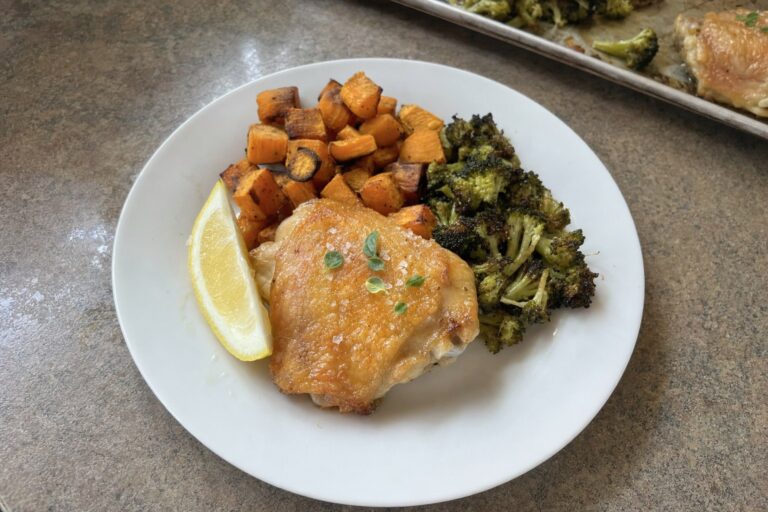
Sheet-Pan Chicken with Broccoli, Sweet Potato and Oregano Recipe

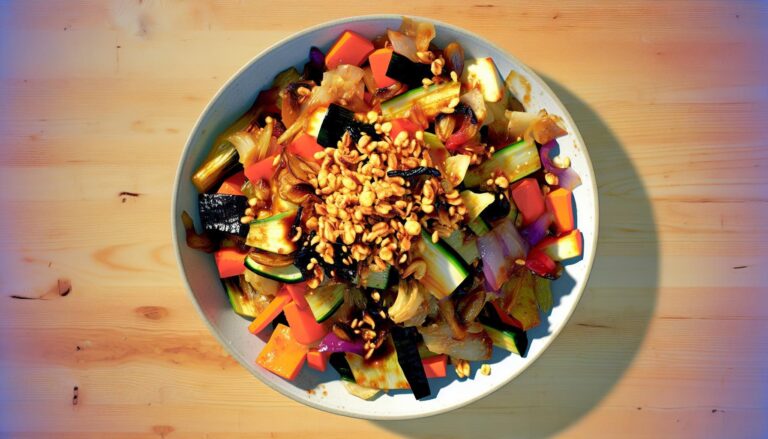
Miso and Ginger Roasted Veggie Bowl Recipe

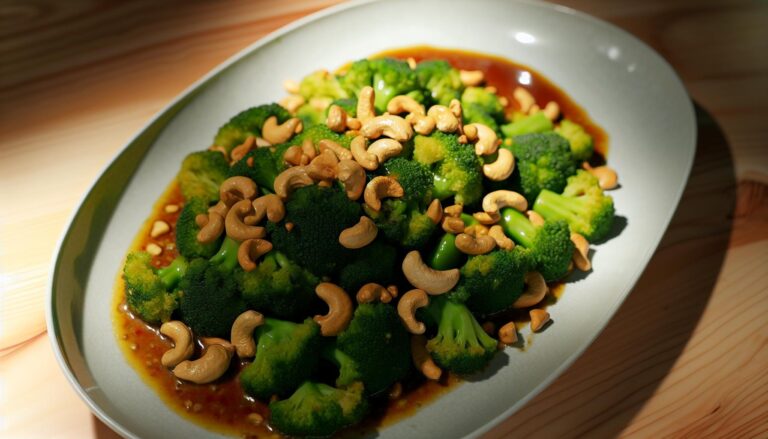
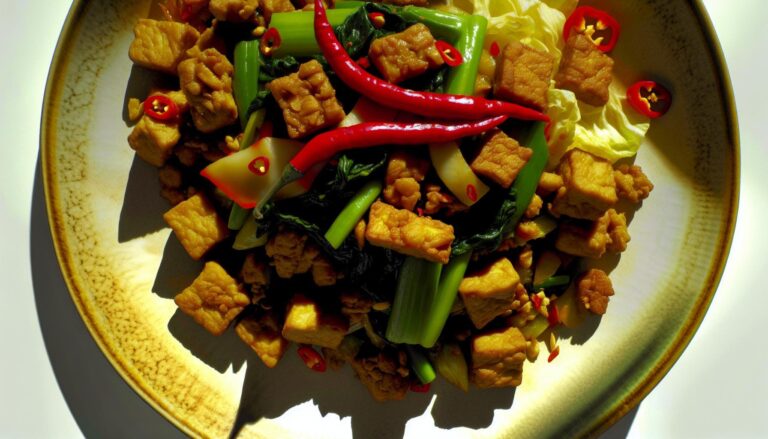
Broccoli Cashew Stir Fry with Ginger Sauce Recipe

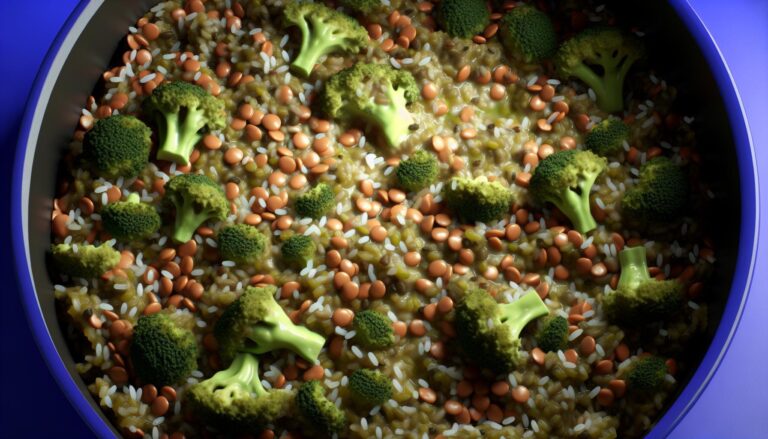
Hearty Lentil and Broccoli Rice Casserole Recipe

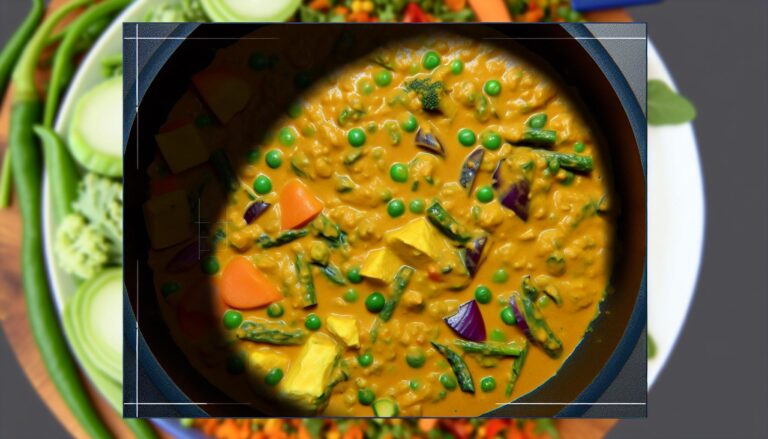
Coconut Curry Veggie Medley Recipe