Dark Chocolate
Why dark chocolate is anti-inflammatory
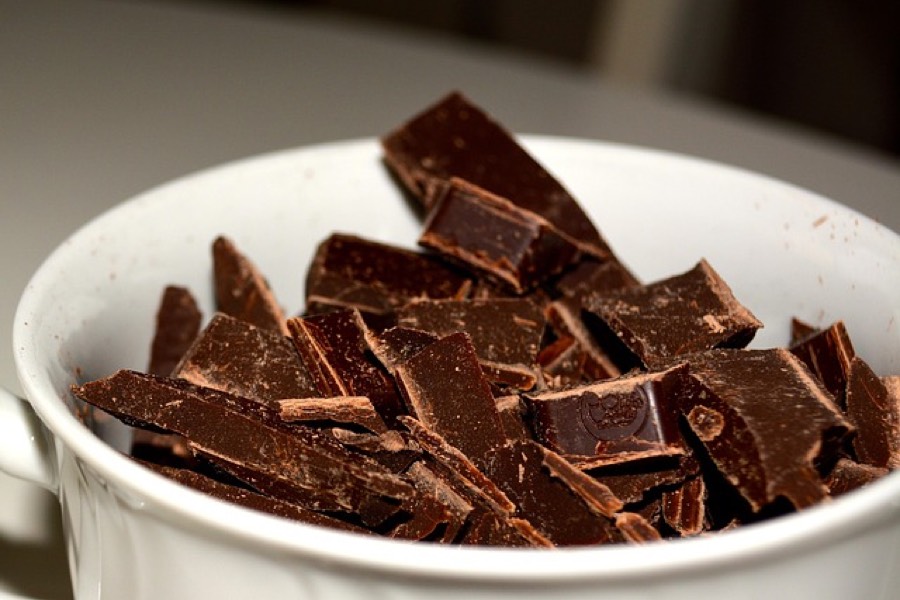
Dark chocolate is anti-inflammatory, and the part doing the work is the part that tastes bad. Cocoa carries a family of compounds called flavanols, and flavanols are bitter. That is why the percentage on the wrapper tells you more than anything else on it. An 85% bar is mostly cocoa, so it is harsh and it is loaded. A 50% bar is mostly sugar and cocoa butter wearing the same name.
That puts chocolate in a strange position, because the industry spends much of its effort taking the bitterness out. The usual method is alkalising, which shows up on labels as Dutch-processed or processed with alkali. It darkens the powder, rounds off the taste and strips out a large share of the flavanols on the way through. So a dark, glossy, mellow chocolate can carry less of the active compound than a paler, sharper one.
What the flavanols do is mostly about your blood vessels. Epicatechin, the main one, helps the lining of an artery relax so blood moves through more easily. Stiff, irritated vessel walls are one of the first places long-running inflammation shows up. The rest happens further down. Most of the flavanols you swallow are never absorbed at all, so they arrive in the large intestine intact and feed the bacteria living there.
Three out of ten on the inflammation scale is where all of that leaves it. The flavanols are real, but so is everything they arrive with. Even a 70% bar is close to a third sugar, and most of the rest is cocoa butter. That is the gap between a square of something genuinely good for you and a health food you can eat by the bar.

Dark Chocolate on the AIP diet
Dark chocolate comes out during the elimination phase of the Autoimmune Protocol. The cocoa bean is a seed, and AIP removes seeds. Most bars add dairy, soy lecithin and cane sugar on top of that. Carob is the usual stand-in while you wait. Cocoa is a common reintroduction later, and a plain bar at a high percentage is what most people bring back first.
Benefits
- Cocoa flavanols help the lining of your blood vessels relax and widen
- Most of those flavanols are never absorbed, so they reach the gut bacteria intact
- A daily 30 g of 84% chocolate brought inflammation markers down in people with type 2 diabetes
- A rare sweet thing that also supplies magnesium and iron
Watch out for
- Even a 70% bar is close to a third sugar, so the portion stays small
- Alkalised or Dutch-processed cocoa loses much of the flavanol before it reaches the bar
- Milk chocolate carries a fraction of the cocoa and most of the sugar
- Cocoa takes up cadmium and lead from the soil, so dark bars can carry traces
Frequently asked
Is dark chocolate inflammatory?
No, dark chocolate is anti-inflammatory. Cocoa carries flavanols, which help the lining of your blood vessels relax, and the flavanols your body never absorbs go on to feed the bacteria in your gut. What turns a bar inflammatory is the sugar sitting alongside them, which is why the cocoa percentage decides so much.
What cocoa percentage should you look for?
85% or higher if you can take it, and 70% as the floor. The number is roughly how much of the bar is cocoa, so it tells you how much flavanol you are getting and how little sugar comes with it. Below 70% you are mostly eating a sweet.
Is dark chocolate better than milk chocolate?
Yes, and not by a small margin. Milk chocolate is usually around a third cocoa at best, so most of the bar is sugar, milk solids and fat. The flavanols that make dark chocolate worth eating are barely there.
Is dark chocolate allowed on the AIP diet?
No, not during the elimination phase. The cocoa bean is a seed and AIP removes seeds, and most bars also bring dairy and soy lecithin. Carob is the usual substitute. Cocoa is a common reintroduction once that phase is over, starting with a plain high-percentage bar.