Brown Rice vs Quinoa: Which Is Less Inflammatory?
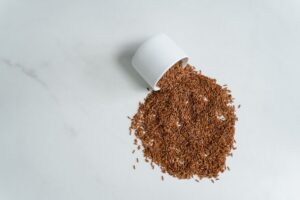
Brown Rice
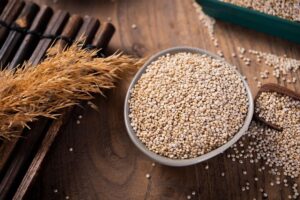
Quinoa
Quinoa is less inflammatory than brown rice, but only just. Both keep their outer coat, and both are a clear step up from anything white and refined.
Quinoa gets the nod because it is a seed and not a cereal, so the same bowl brings a full set of protein alongside the starch instead of starch on its own. Brown rice has two small marks against it: the bran collects arsenic from the soil, and it is rough enough to bother a gut that is already irritated. So alternate them week to week rather than picking a winner, and if your digestion is playing up, let quinoa take that week.
Side by side
| Brown Rice | Quinoa | |
|---|---|---|
| Inflammation Score | Low · 3/10 | Low · 2/10 |
| Category | Grains | Grains |
| Serving size | 1 cup cooked (195 g) | 1 cup cooked (185 g) |
| Key nutrients | Magnesium, Gamma-oryzanol (bran), Insoluble fibre, Manganese | Complete protein (lysine), Magnesium, Quercetin, Insoluble fibre |
| How often | A few times a week, a cup cooked, rinsed well first | Most days, a cup cooked, in place of a refined grain |
On the AIP diet
Brown Rice
Brown rice is not allowed on the Autoimmune Protocol. The elimination phase takes out every grain, and rice goes with them even though it carries no gluten. Brown is the stricter case of the two, because what the protocol objects to lives mostly in the bran that white rice has had milled away. At reintroduction people usually test white first and brown later. Meanwhile riced cauliflower does the job on the plate.
Quinoa
Quinoa is not allowed on the Autoimmune Protocol. Being a seed rather than a cereal sounds like it should get through a protocol built around grains, and it does not: AIP takes out seeds as well, and the saponins in quinoa's coat are exactly the plant defence the elimination phase clears out. The wait is shorter than for bread, because seeds come back early. Meanwhile cauliflower rice is the usual stand-in.
What each one brings
Brown Rice
- Keeps the bran and the germ, so the fibre and the magnesium stay in
- The fibre slows the meal, so the starch arrives spread out instead of in one rush
- Part of that fibre feeds the bacteria that keep the gut lining in repair
- Eaten in place of white rice, it goes with a lower risk of type 2 diabetes
Quinoa
- A seed rather than a cereal, so it brings protein and minerals, not mostly starch
- Carries a full set of the amino acids the body cannot build, which few plants manage
- Gluten free in the seed itself, not because of anything done to it afterwards
- You eat the whole seed, so the magnesium, fibre and antioxidants in the coat stay
Watch out for
Brown Rice
- Arsenic settles in the outer layer, so brown rice carries more than white
- The bran is rough, and an inflamed gut often does worse on it
- Still a starchy grain, so the size of the bowl decides much of the effect
- The bran carries phytic acid, which holds on to some iron and zinc
Quinoa
- The coat carries bitter saponins, so an unrinsed bag tastes faintly of soap
- Still a starchy side, and it is easy to serve a bowlful as though it were salad
- About 220 calories in a cooked cup, more than the same volume of vegetables
- Carries phytic acid, which holds on to part of the iron and zinc in the meal
Get the inflammation score of any meal
Just snap a photo or describe your food to get its inflammation score and uncover hidden patterns that may be affecting your well-being.