Quinoa vs White Rice: Which Is Less Inflammatory?
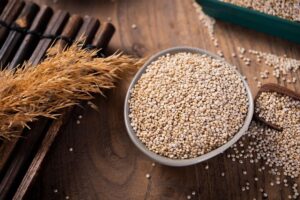
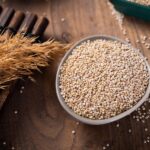
Quinoa
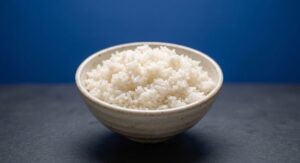
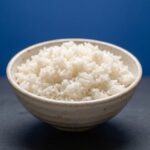
White Rice
Quinoa is less inflammatory than white rice. Rice is the default side dish in most kitchens, and quinoa can take its place without changing anything else about dinner.
White rice is starch with the outer layers milled away, which is why it turns into sugar quickly and your blood sugar rises and falls in a hurry. Quinoa is a seed rather than a cereal, so it arrives with protein, magnesium and fibre still attached, and putting it in place of some of your usual rice and bread keeps blood sugar steadier. Try it twice this week instead of rice, and rinse it under the tap first, or the coat leaves a faintly soapy taste that puts people off it for good.
Side by side
| Quinoa | White Rice | |
|---|---|---|
| Inflammation Score | Low · 2/10 | Medium · 6/10 |
| Category | Grains | Grains |
| Serving size | 1 cup cooked (185 g) | 1 cup cooked (158 g) |
| Key nutrients | Complete protein (lysine), Magnesium, Quercetin, Insoluble fibre | Amylopectin (fast starch), Manganese, Selenium, Folate (enriched) |
| How often | Most days, a cup cooked, in place of a refined grain | A cup at a time, with protein and vegetables on the plate |
On the AIP diet
Quinoa
Quinoa is not allowed on the Autoimmune Protocol. Being a seed rather than a cereal sounds like it should get through a protocol built around grains, and it does not: AIP takes out seeds as well, and the saponins in quinoa's coat are exactly the plant defence the elimination phase clears out. The wait is shorter than for bread, because seeds come back early. Meanwhile cauliflower rice is the usual stand-in.
White Rice
White rice is not allowed on the Autoimmune Protocol. The elimination phase takes out every grain, and rice goes with the rest even though it carries no gluten and almost none of the bran AIP worries about. That matters at the other end: when grains are reintroduced, white rice is one of the first tested and one of the more likely to be tolerated, precisely because the outer layers are gone.
What each one brings
Quinoa
- A seed rather than a cereal, so it brings protein and minerals, not mostly starch
- Carries a full set of the amino acids the body cannot build, which few plants manage
- Gluten free in the seed itself, not because of anything done to it afterwards
- You eat the whole seed, so the magnesium, fibre and antioxidants in the coat stay
White Rice
- Gluten free and low in fermentable carbohydrates, so it suits coeliacs and an irritable gut
- One of the gentlest foods to eat when the gut is inflamed or recovering
- Taking the bran off removes most of the arsenic, so it carries less than brown
- Cook it a day ahead and chill it, and part of the starch turns slower
Watch out for
Quinoa
- The coat carries bitter saponins, so an unrinsed bag tastes faintly of soap
- Still a starchy side, and it is easy to serve a bowlful as though it were salad
- About 220 calories in a cooked cup, more than the same volume of vegetables
- Carries phytic acid, which holds on to part of the iron and zinc in the meal
White Rice
- The bran and germ are milled off, and the fibre and B vitamins go with them
- With no fibre it turns into sugar fast, so blood sugar spikes
- Where it is the base of every meal, more of it goes with higher diabetes risk
- It is a grain, so it is out during the AIP elimination phase
Get the inflammation score of any meal
Just snap a photo or describe your food to get its inflammation score and uncover hidden patterns that may be affecting your well-being.