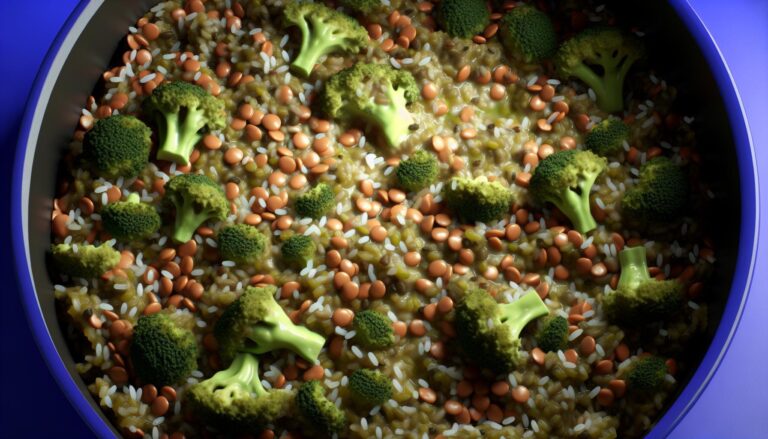
Brown Rice
Why brown rice is anti-inflammatory
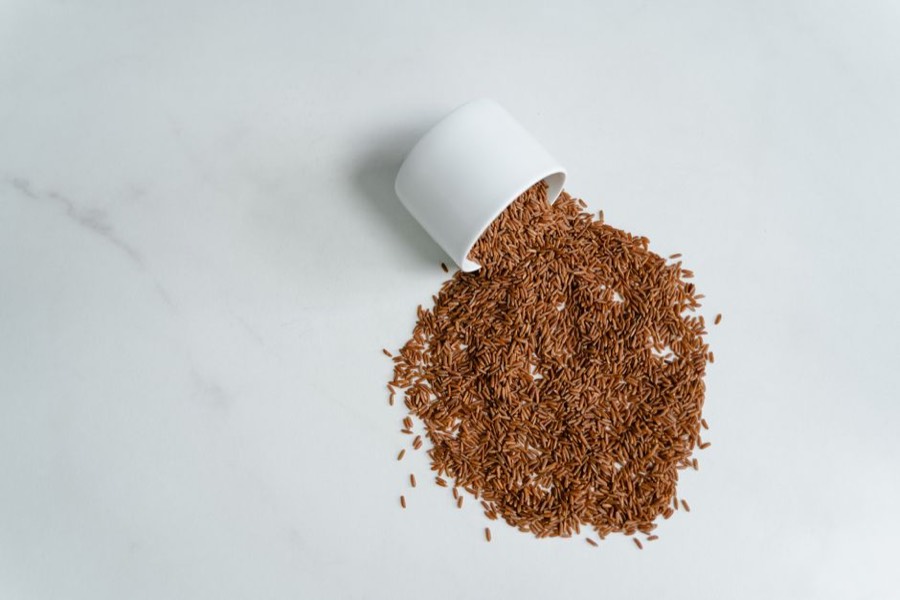
Brown rice is mildly anti-inflammatory, and the reason is a layer most rice never reaches the table with. Under the inedible hull sit the bran and the germ: the fibre of the grain, and most of its magnesium. Polishing takes that layer off in one pass and leaves the starch behind. Brown rice is rice that kept it.
The bran earns its place by making a meal take longer. A grain with its outer layer intact leaves the stomach slowly, so the starch turns up in the blood spread out rather than in one rush. A gentler rise in blood sugar is linked to less low-grade inflammation over time. Part of that fibre reaches the large intestine undigested and feeds the bacteria there, which turn it into the fatty acids that feed the cells of the gut lining.
Magnesium counts as well, because people who get little of it tend to show more inflammation in a blood test. Eaten in place of white rice a few times a week, brown rice is linked to a lower risk of type 2 diabetes.
Brown rice scores 3 out of 10 on the inflammation scale, and two things about the bran pull the other way. Rice draws arsenic up from the soil and it settles in the outer layers, so brown rice carries more of it than white. Rinse it and boil it in plenty of water you then pour away, and much of that goes. The second is that bran is rough. On a gut that is inflamed or easily irritated, brown rice is often the harder choice, and white rice is the kinder bowl until things settle.

Brown Rice on the AIP diet
Brown rice is not allowed on the Autoimmune Protocol. The elimination phase takes out every grain, and rice goes with them even though it carries no gluten. Brown is the stricter case of the two, because what the protocol objects to lives mostly in the bran that white rice has had milled away. At reintroduction people usually test white first and brown later. Meanwhile riced cauliflower does the job on the plate.
Benefits
- Keeps the bran and the germ, so the fibre and the magnesium stay in
- The fibre slows the meal, so the starch arrives spread out instead of in one rush
- Part of that fibre feeds the bacteria that keep the gut lining in repair
- Eaten in place of white rice, it goes with a lower risk of type 2 diabetes
Watch out for
- Arsenic settles in the outer layer, so brown rice carries more than white
- The bran is rough, and an inflamed gut often does worse on it
- Still a starchy grain, so the size of the bowl decides much of the effect
- The bran carries phytic acid, which holds on to some iron and zinc
Frequently asked
Is brown rice anti-inflammatory?
Yes, mildly. What does the work is the bran and the germ that white rice has had polished off: the fibre, the magnesium and the plant compounds of the grain. They slow a meal down and feed the bacteria in the gut. It is a good everyday grain rather than a food that changes anything on its own.
Does brown rice contain arsenic?
Some, and more than white rice, because arsenic settles in the outer layer that brown rice keeps. It is worth handling rather than worrying about. Rinse the grain, cook it in plenty of water and pour the extra away, and let other grains take some of the turns during the week.
Does brown rice raise blood sugar?
Less sharply than white rice, but it does. This is a starchy grain, not a vegetable. The fibre in the bran spreads the rise out, and protein, fat and something green on the same plate spread it further. The size of the bowl decides much of the rest.
Is brown rice allowed on the AIP diet?
No, not during the elimination phase, which removes every grain. It tends to come back late, and after white rice rather than before it, because the bran is the part an irritated gut is most likely to react to.
Anti-inflammatory recipes with Brown Rice

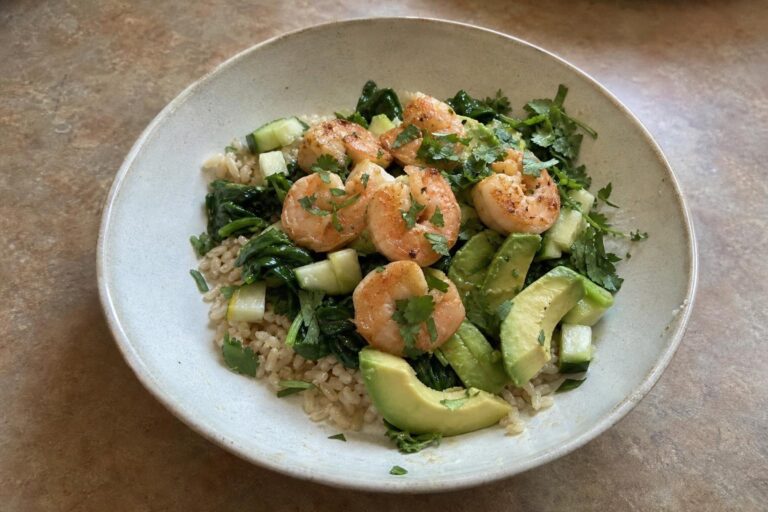
Shrimp and Avocado Brown Rice Bowls Recipe

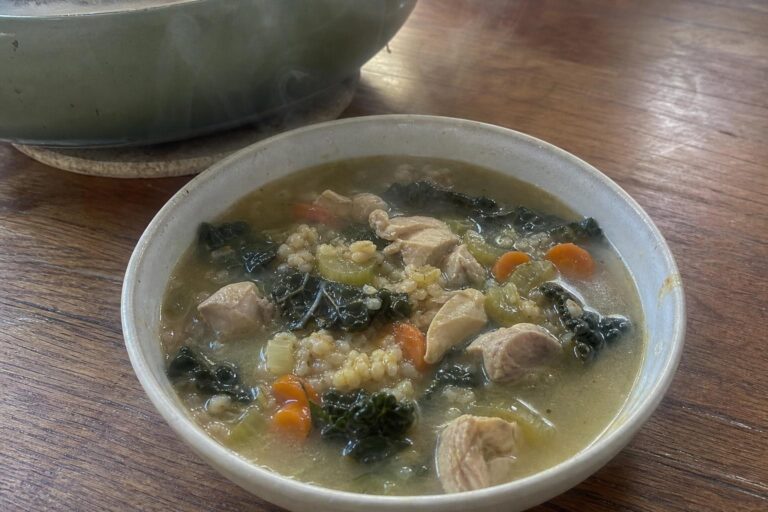
Chicken, Brown Rice, and Kale Soup Recipe

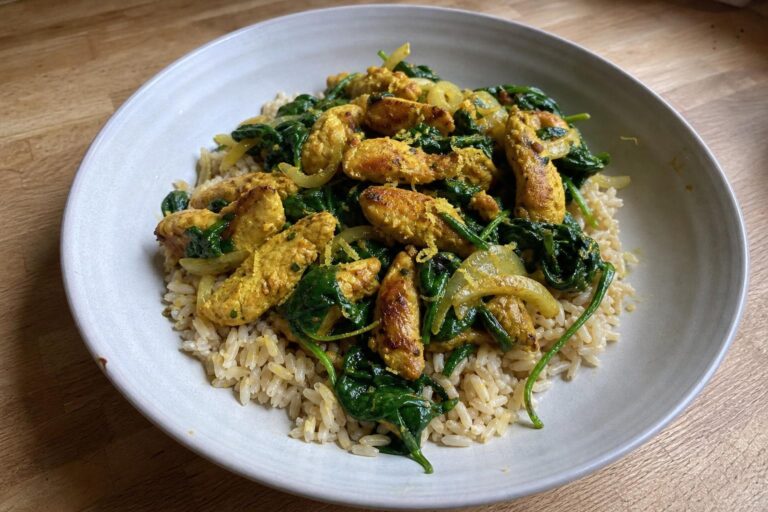
Turmeric Chicken with Brown Rice and Spinach Recipe

Hearty Lentil and Broccoli Rice Casserole Recipe