Oats
Why oats are anti-inflammatory
Oats are anti-inflammatory, and they carry something no other food does. Their polyphenols, avenanthramides, have been found in no other food. They are why a colloidal oatmeal bath takes the itch out of a rash. What calms the skin from outside is the same family of compounds you swallow in a bowl.
The bigger part of the story is the fibre. Beta-glucan is what makes porridge thick, and it works by turning into a gel. The gel slows the meal down, so the starch arrives as sugar gradually instead of all at once.
Whatever fibre is left travels on to the large intestine, where your gut bacteria ferment it into short-chain fatty acids. Those feed the cells of the gut wall, and an irritated gut wall is one of the places chronic inflammation starts.
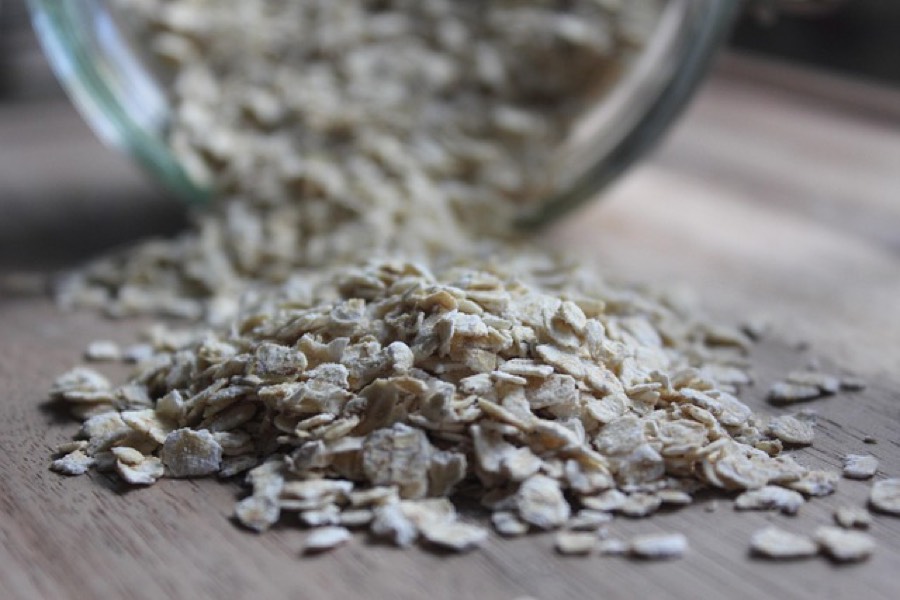
Oats score 2 out of 10 on the inflammation scale, and the plain bag is what earns the number. Steel-cut, rolled and quick oats are the same grain cut to different sizes, and the finer the cut, the faster it digests. All three keep the bran and the germ. The flavoured sachet is where it falls apart: some are close to a third sugar by weight. Buy the plain bag and add the sweetness yourself.
Oats carry no gluten of their own, but they are almost always milled alongside wheat. If you have coeliac disease, buy a bag that is certified gluten-free.

Oats on the AIP diet
Oats are not allowed on the Autoimmune Protocol. The elimination phase takes out every grain, and oats go with the rest even though they carry no gluten of their own. Two things make them a harder case: almost all oats are milled alongside wheat, so a plain bag arrives with gluten unless certified, and oats carry avenin, a protein close enough to gluten that some coeliacs react to it too.
Benefits
- Carry avenanthramides, polyphenols found in no other food, which also calm irritated skin
- Beta-glucan turns into a gel, so the starch arrives as sugar gradually
- A bowl a day brings cholesterol down, one of the best established effects of any food
- The fibre reaching the large intestine feeds the bacteria that keep the gut wall sealed
Watch out for
- Flavoured instant sachets can be a third sugar by weight, cancelling most of the point
- Oats are milled alongside wheat, so a plain bag carries gluten unless certified
- Oats have their own protein, avenin, and some coeliacs react to it too
- Still a starchy grain, so the portion decides a lot and it is easy to pour double
Frequently asked
Are oats inflammatory?
No, oats are anti-inflammatory, and unusually so for a grain. They carry avenanthramides, polyphenols found nowhere else in food, and beta-glucan, the soluble fibre that slows a meal down and feeds the bacteria in your gut. What turns a bowl of oats inflammatory is what gets stirred into it: a flavoured sachet is closer to a dessert than to breakfast.
Are steel-cut oats better than rolled oats?
A little, and less than the price gap suggests. They are the same grain, cut coarser, so they digest more slowly and lift blood sugar less. Rolled oats keep the bran and the germ exactly the same way. If steel-cut means half an hour on the hob and you skip breakfast instead, rolled oats win.
Are oats gluten free?
The grain is, the bag usually is not. Oats are grown, harvested and milled alongside wheat, so plain oats routinely carry gluten unless they are labelled certified gluten free. There is a second catch: oats have a protein of their own, avenin, and a small share of people with coeliac disease react to it as well.
Are oats allowed on the AIP diet?
No, not in the elimination phase, because AIP removes every grain. They come back late in the reintroduction, after other grains, and the test is only worth doing with a certified gluten free bag so you know what you are reacting to.
Anti-inflammatory recipes with Oats

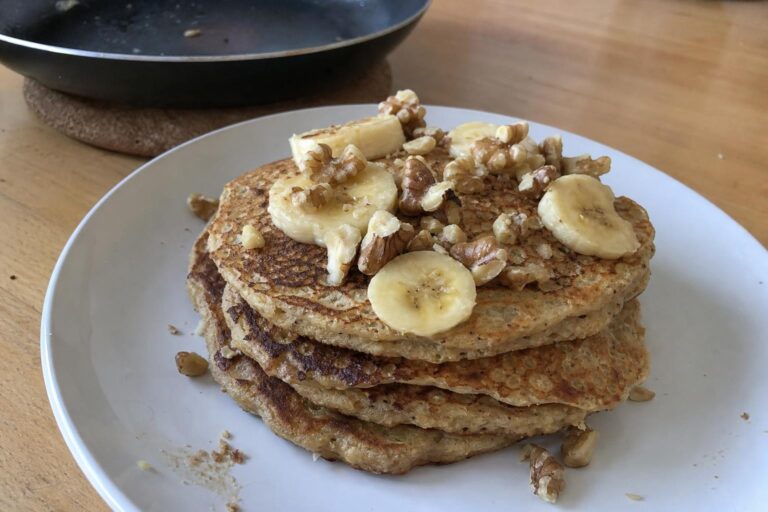
Banana Flaxseed Oat Pancakes Recipe

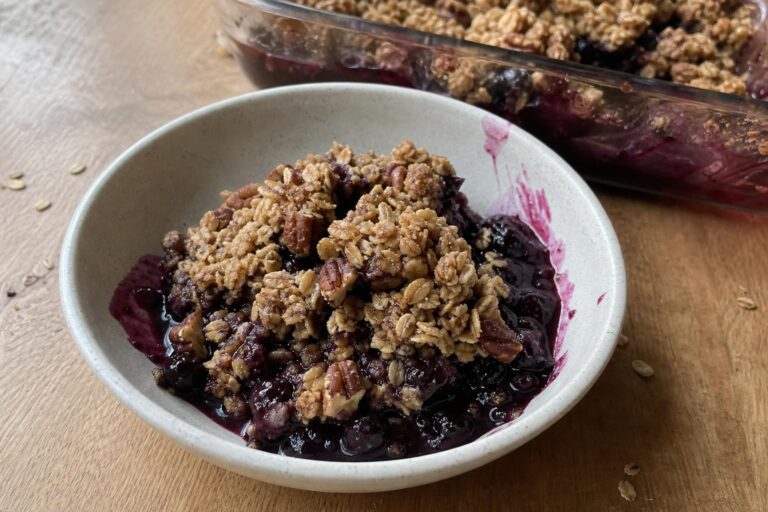
Blueberry Oat Crumble Recipe

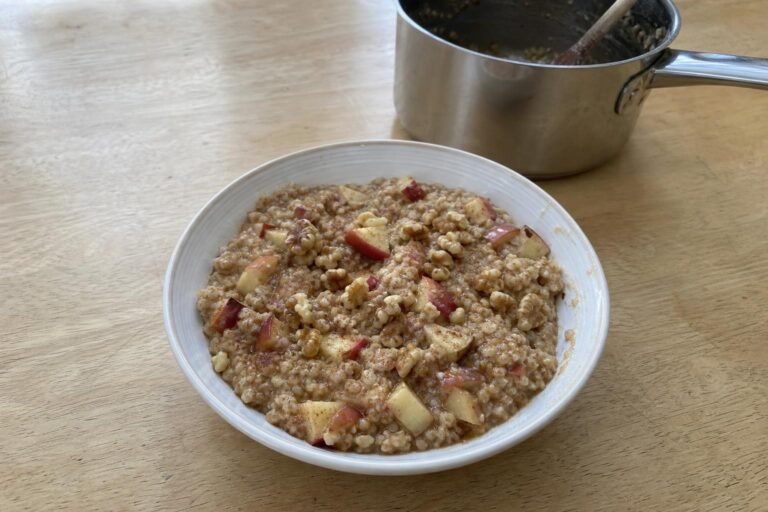
Apple Cinnamon Steel-Cut Oatmeal Recipe

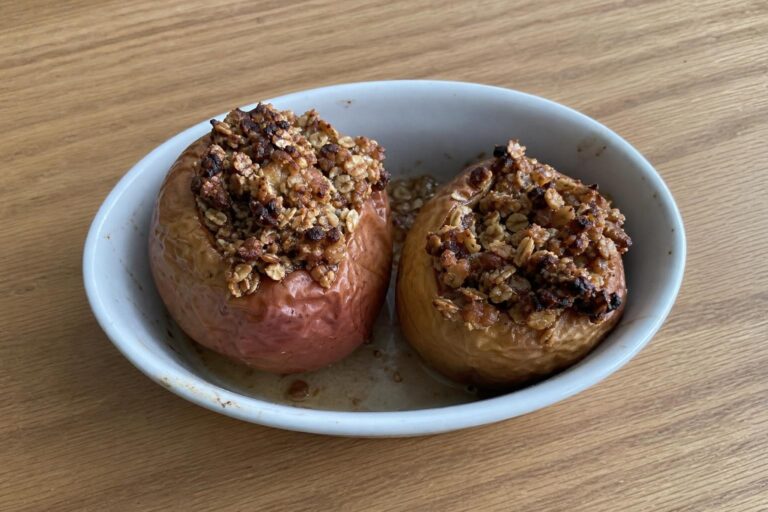
Baked Apples with Walnuts and Cinnamon Recipe

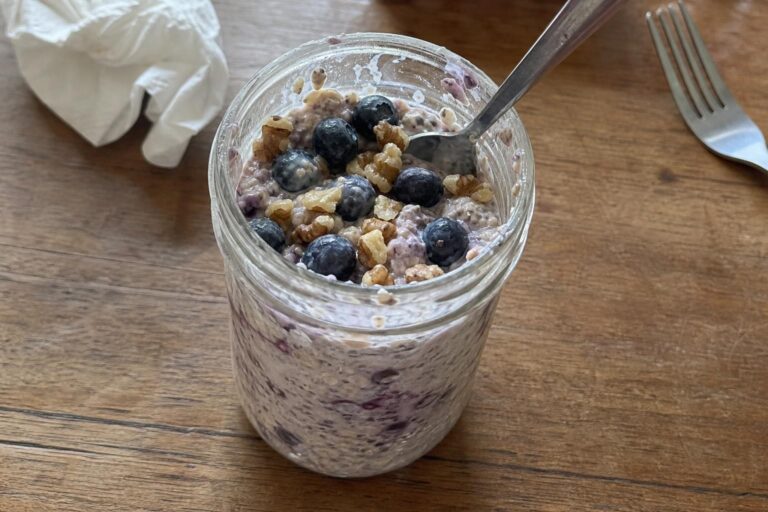
Blueberry Walnut Overnight Oats Recipe