Banana
Why bananas are anti-inflammatory
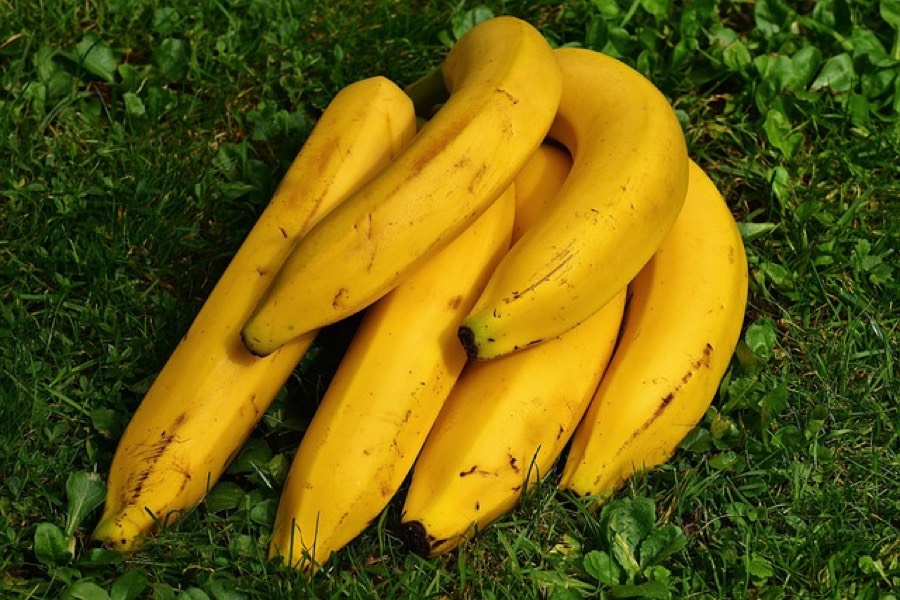
Bananas are anti-inflammatory, and how much depends on when you eat one. A firm green banana is mostly resistant starch, a starch your small intestine cannot digest. As the fruit ripens, that starch turns into sugar.
Resistant starch reaches your colon whole, and the bacteria living there feed on it. The research on it has used supplements rather than bananas. In those trials resistant starch improved the body’s defences against cell damage, and the main inflammation marker came down in people with type 2 diabetes. A banana supplies far less than those doses, so it is a small daily contribution.
By the time the skin is covered in brown spots, most of the resistant starch has become sugar. The fruit is softer, sweeter and easier on the stomach, and the gut part has largely gone. That is why bananas score 3 out of 10 on the inflammation scale: the effect is quiet, and it depends on which banana you pick up.
Banana chips are fried and sweetened, which makes them a different food. Blended into a smoothie, the sugar arrives much faster than it does from the whole fruit.
Buy them greener than you think and eat them before the spots arrive. One banana covers around a tenth of a day’s potassium, which works against the sodium in packaged food. If you have kidney disease you may have been told to limit potassium, so check with your doctor.

Banana on the AIP diet
Bananas are allowed on the Autoimmune Protocol in every phase, elimination included. They are a fruit, so they clear the grains, seeds, legumes, nightshades and dairy that AIP takes out, and they are one of the easiest things to carry when almost everything packaged is off the list. The limit is the sugar: AIP asks you to keep fruit sugar modest, and a large ripe banana uses up a good part of that.
Benefits
- A green banana carries resistant starch, which your gut bacteria turn into fuel for the lining of your colon
- That lining keeps irritants from reaching your immune system, so feeding it works upstream of inflammation
- One banana covers around a tenth of a day's potassium, which pushes back against the sodium in packaged food
- A good source of vitamin B6
Watch out for
- Ripening turns most of the resistant starch into sugar, so a spotted banana does less for your gut
- Banana chips are usually fried and sweetened, which makes them a different food
- Blended into a smoothie, the sugar arrives much faster than from the whole fruit
- People with kidney disease are often told to limit potassium, so check with your doctor
Frequently asked
Are bananas inflammatory?
No, bananas are anti-inflammatory. A firm one is largely resistant starch, which reaches your colon undigested and feeds the bacteria that keep your gut lining healthy. A very ripe one has traded most of that for sugar, so it does less, but it is still a whole fruit with fibre in it.
Are green bananas better than ripe ones?
For your gut, yes. Resistant starch is what makes a banana more than a sweet snack, and ripening converts it into sugar. If you can handle the firmer texture, buy them greener and eat them before the spots arrive.
Is the sugar in a banana a problem?
Not on its own. The sugar comes wrapped in fibre, which slows it down, and a medium banana holds less than a small glass of juice. It becomes a problem when you blend it, dry it or fry it, because all three strip the fibre out or add sugar on top.
Are bananas allowed on the AIP diet?
Yes, in every phase. They are a fruit, so they avoid the grains, seeds, legumes, nightshades and dairy that AIP removes. Keep an eye on how much fruit sugar you are having across the day, since bananas are one of the sweeter options.
Anti-inflammatory recipes with Banana

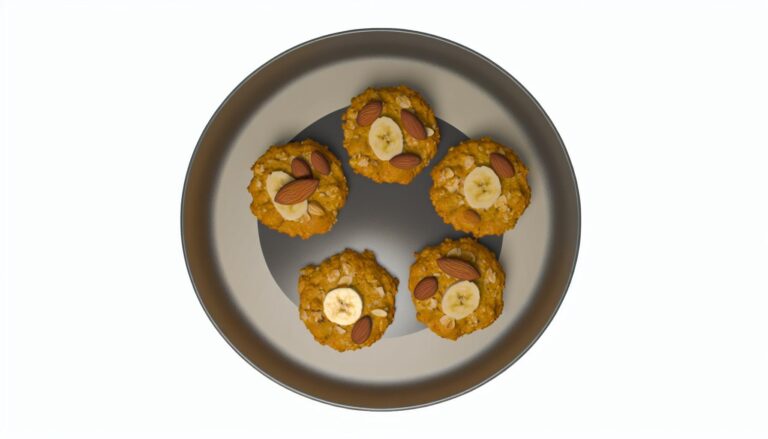
Banana Flaxseed Oat Pancakes Recipe

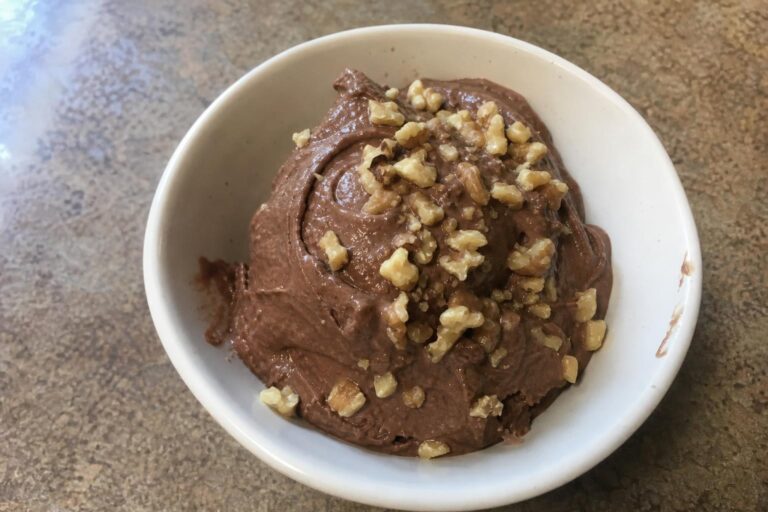
Banana Cocoa Nice Cream Recipe

Banana and Coconut Breakfast Porridge Recipe

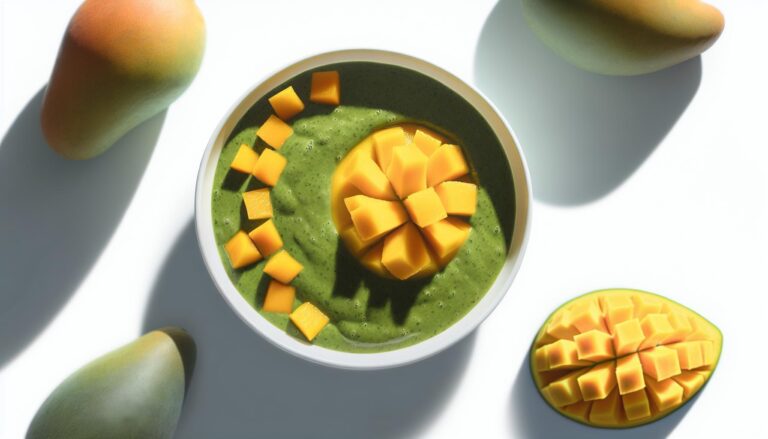
Refreshing Spinach and Mango Smoothie Bowl Recipe