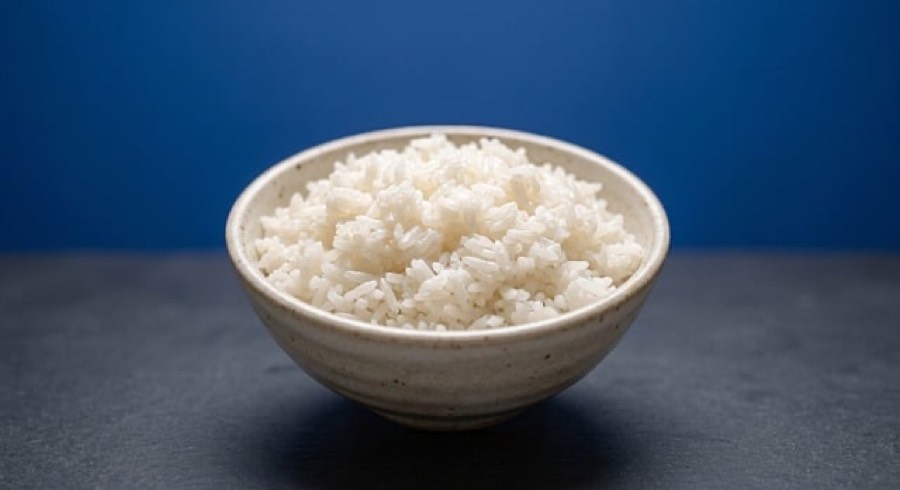
Bowl of plain cooked white rice on a dark surface

White Rice

ModerateGrains
Medium
Inflammation Score
6/10
Anti-inflammatoryInflammatory
Serving size
1 cup cooked (158 g)
Key nutrients
Amylopectin (fast starch)ManganeseSeleniumFolate (enriched)
How often
A cup at a time, with protein and vegetables on the plate

Where white rice sits on the inflammation scale

White rice is mildly inflammatory, and what makes it so is what has been taken out of it. Brown rice and white rice begin as the same seed. Milling strips off the hull, then the bran, then the germ, and the fibre, the magnesium and the B vitamins leave with them. What stays is close to pure starch.

The trouble is speed. Starch with no fibre around it turns into sugar fast, so a plate of it lifts blood sugar quickly and lets it fall soon after. One meal is nothing. The same meal three times a day for twenty years is another matter. Those repeated swings wear down the way the body handles sugar, and low-grade inflammation goes along with that. Where rice is the base of nearly every meal, eating more of it is linked to a higher rate of type 2 diabetes.

White rice scores 6 out of 10 on the inflammation scale, and that number describes the habit rather than the grain. On its own there is no gluten in it and very little left to ferment. That makes it one of the gentlest things to eat when the gut is irritated or recovering.

Millions of people eat it every day and are not inflamed. The reason is what sits next to it: fish, vegetables, something fermented, and a bowl the size of a fist. Rice takes the character of the meal around it.

Give it protein, fat and something green, and keep the portion to a cup. Cooking it the day before and chilling it helps too, because part of the starch turns into a form the body digests slowly.

White Rice on the AIP diet

White rice is not allowed on the Autoimmune Protocol. The elimination phase takes out every grain, and rice goes with the rest even though it carries no gluten and almost none of the bran AIP worries about. That matters at the other end: when grains are reintroduced, white rice is one of the first tested and one of the more likely to be tolerated, precisely because the outer layers are gone.

Benefits

  • Gluten free and low in fermentable carbohydrates, so it suits coeliacs and an irritable gut
  • One of the gentlest foods to eat when the gut is inflamed or recovering
  • Taking the bran off removes most of the arsenic, so it carries less than brown
  • Cook it a day ahead and chill it, and part of the starch turns slower

Watch out for

  • The bran and germ are milled off, and the fibre and B vitamins go with them
  • With no fibre it turns into sugar fast, so blood sugar spikes
  • Where it is the base of every meal, more of it goes with higher diabetes risk
  • It is a grain, so it is out during the AIP elimination phase

Get the inflammation score of any meal

Just snap a photo or describe your food to get its inflammation score and uncover hidden patterns that may be affecting your well-being.

Download on the App StoreGet it on Google Play
InflammaScan app

Frequently asked

Is white rice inflammatory?

Mildly, and indirectly. Rice itself carries nothing that irritates the body. The problem is that milling has taken the fibre off, so the starch turns into sugar fast, and large portions eaten several times a day keep blood sugar swinging. A normal bowl beside protein and vegetables does very little.

Is brown rice better than white rice?

On paper, yes. It keeps the fibre, the magnesium and the B vitamins that milling removes, and it digests more slowly. Two things go the other way. Arsenic collects in the outer layer, so brown rice carries more of it, and the same bran that makes it healthier makes it harder work for an inflamed or irritable gut.

Why are people who eat rice every day not inflamed?

Because of what is on the plate with it. Where rice is a daily staple it usually arrives beside fish, vegetables and something fermented, in a bowl about the size of a fist. Rice takes the character of the meal around it, and a big plate of rice on its own is a different food from the same rice in that meal.

Can I eat white rice on an anti-inflammatory diet?

Yes. Keep it to about a cup, and make sure the plate also has protein, some fat and something green, which slows the whole meal down. Cooking it ahead and chilling it helps as well. The exception is the Autoimmune Protocol, which removes every grain during the elimination phase.

The easiest way to follow an anti-inflammatory diet.

Identify inflammatory foods in seconds, log your symptoms and discover what’s inflaming you. Includes hundreds of recipes.

Download on the App StoreGet it on Google Play
InflammaScan app