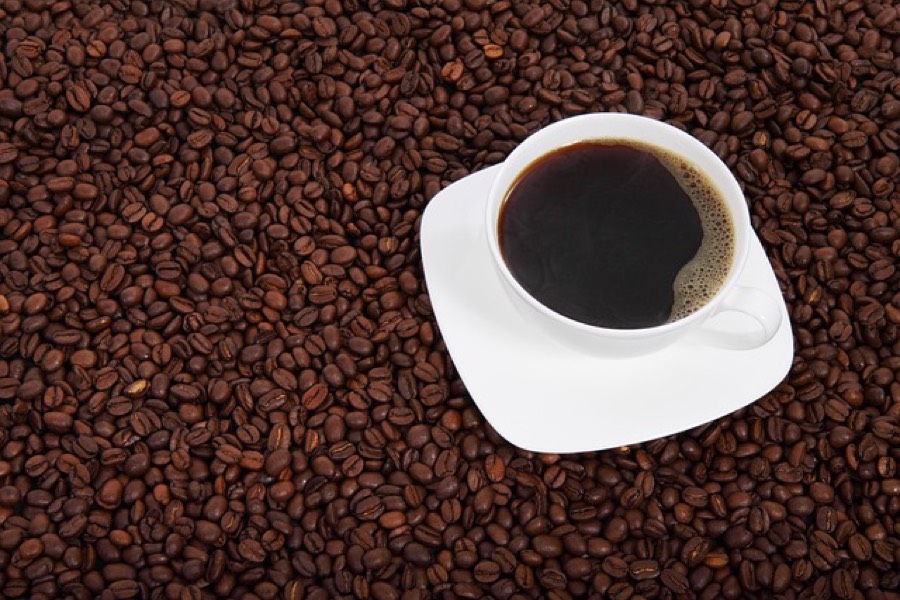
A white cup of black coffee on a saucer resting on a bed of roasted coffee beans

Coffee

Anti-InflammatoryBeverages
Low
InflammaScore
3/10
Anti-inflammatoryInflammatory
Serving size
1 cup (240 ml) brewed
Key nutrients
Chlorogenic acidCaffeineRiboflavinPotassium
How often
Daily, 2-4 cups black

Why coffee fights inflammation

Coffee is not inflammatory for most people. In fact it does the opposite, which catches people out, because most of us grew up hearing it was something to cut back on. Coffee delivers one of the biggest doses of plant antioxidants in the average Western diet. Most of it comes from a compound called chlorogenic acid, which survives the roast. When scientists pooled a large number of studies, the pattern held: the more coffee people drank, the lower the sign of inflammation that shows up in a routine blood test. The difference started to appear from around two cups a day.

What stops it scoring lower is everything that gets added to it. A black coffee and a large sweetened latte are not the same drink. Syrups, flavoured creamers and a couple of spoonfuls of sugar push a cup straight back the other way, and for most people that is where the harm actually comes from. The bean is not the problem. The order is.

The other limit is personal. If coffee leaves you wired or costs you sleep, the benefit gets cancelled out, because short sleep raises the same markers coffee lowers. Late-afternoon cups are usually the culprit. And if your stomach reacts badly to it, no amount of antioxidants makes that worth pushing through.

Coffee on the AIP diet

Coffee is cut during the elimination phase of the Autoimmune Protocol. The coffee bean is a seed, and AIP removes seeds; it is also a common trigger for gut and sleep symptoms in people with autoimmune conditions. It is one of the first things most people try to bring back afterwards, and plenty tolerate it fine.

Benefits

  • One of the largest sources of plant antioxidants in a typical Western diet
  • Pooled data from more than 66,000 people links more coffee with lower inflammation markers in the blood
  • Linked to lower rates of type 2 diabetes, liver disease and heart disease
  • The benefit peaks around three to four cups a day, so you do not need much

Watch out for

  • Sugar, syrups and flavoured creamers cancel out most of the benefit
  • Late-day cups cost you sleep, and short sleep raises the same markers coffee lowers
  • Can irritate the stomach or trigger reflux in some people
  • Pregnancy is the one clear exception: high intakes are best avoided

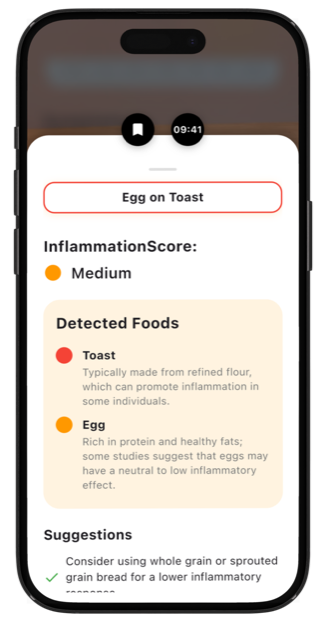
Get the inflammation score of any meal

Just snap a photo or describe your food to get its inflammation score and uncover hidden patterns that may be affecting your well-being.

Download on the App StoreGet it on Google Play
InflammaScan app

Frequently asked

Is coffee inflammatory?

No. Coffee is one of the biggest sources of plant antioxidants most people get, and pooled data from more than 66,000 people links drinking more of it with lower inflammation markers in a blood test. What makes a coffee inflammatory is the sugar and syrup that goes into it.

How many cups a day?

Two to four is where the research shows the clearest benefit. Past that you are mostly trading it for worse sleep, which works against you.

Does decaf still count?

Most of the antioxidants come from the bean rather than the caffeine, so decaf keeps a good part of the benefit. It is the sensible choice if caffeine keeps you awake or leaves you jittery.

Is coffee allowed on the AIP diet?

No, it comes out during the elimination phase, because the coffee bean is a seed and AIP removes seeds. It is a common early reintroduction and many people tolerate it once that phase is over.

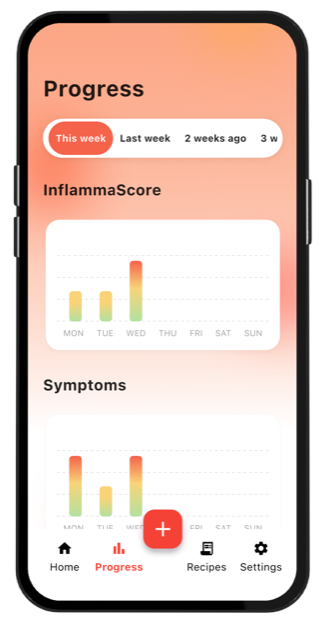
The easiest way to follow an anti-inflammatory diet.

Identify inflammatory foods in seconds, log your symptoms and discover what’s inflaming you. Includes hundreds of recipes.

Download on the App StoreGet it on Google Play
InflammaScan app

STOP GUESSING WHAT TO EAT ON AN ANTI-INFLAMMATORY DIET

Get Your Free Custom Weekly Meal Plan