
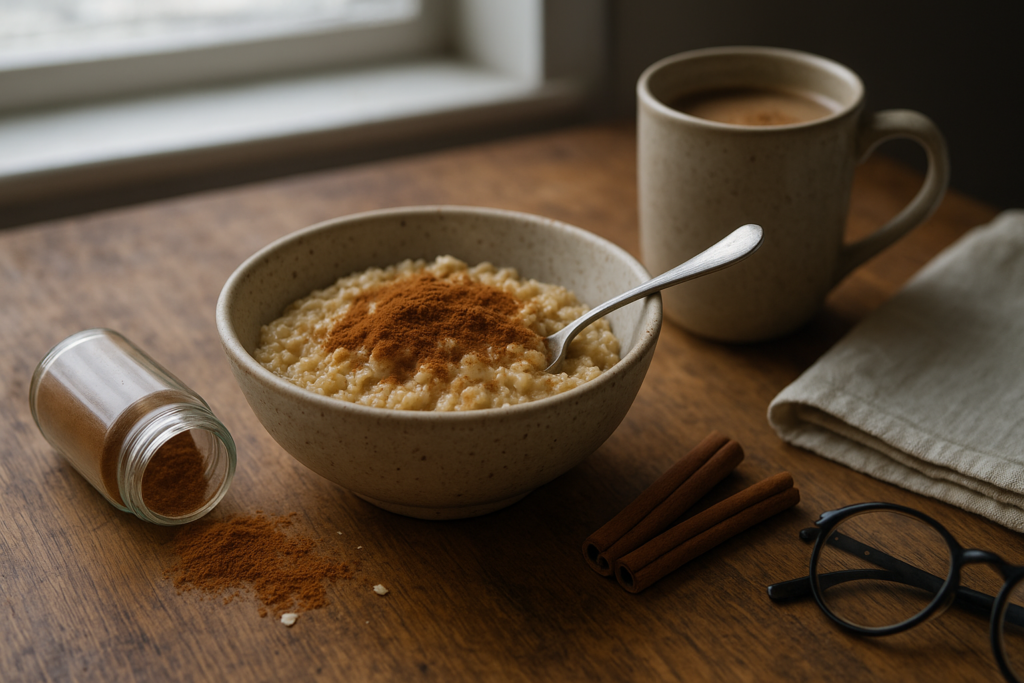
You’ve probably sprinkled cinnamon on your oatmeal just for the taste, but recent research shows it might do something far more powerful for your heart.
This warm, cozy spice has been sitting in kitchen cabinets for generations, mostly forgotten once the holiday baking season ends.
But a large new analysis of dozens of studies suggests cinnamon could quietly support several important markers of heart health at once. Here’s what scientists actually found.
What the Research Shows
In a recent study, researchers wanted to know whether cinnamon supplements could improve key risk factors linked to heart disease. They combined results from forty-nine clinical trials, using a rigorous grading method to check the quality of the evidence.
The people in these trials were adults dealing with common issues like extra weight, high blood pressure, diabetes, or metabolic syndrome. They took cinnamon supplements, usually between one and six grams a day, and researchers compared their results to people who took a placebo.
The results showed several encouraging changes:
- Waist size got smaller, especially in women
- Blood pressure dropped slightly, both the top and bottom numbers
- Blood sugar levels after fasting went down
- Triglycerides and total cholesterol decreased
- LDL, the less helpful cholesterol, also went down
- HDL, the helpful cholesterol, went up
- CRP, a marker of inflammation in your blood, was reduced too
And here’s the fascinating part: the more cinnamon people took, the stronger some of these effects seemed to be. Think of it like turning a dial slowly. A little cinnamon nudges things in the right direction, and more seems to nudge a bit further, at least within the doses studied.
It’s worth noting the studies used different types of cinnamon and different doses, so the exact numbers may vary between people.
How to Use This Information
This research suggests cinnamon could be a simple, low-cost addition to a heart-healthy routine, not a replacement for it.
Add a Daily Dose
Try mixing about one teaspoon, or two to five grams, of cinnamon into your coffee, oatmeal, or smoothies daily. Ceylon cinnamon is generally considered the gentler option for regular use.
Pair It With Healthy Habits
Keep eating well and moving your body. Cinnamon seems to work best alongside a balanced diet and regular exercise, not instead of them.
Watch Your Blood Sugar
If you take medication for diabetes, monitor your blood sugar closely and talk to your doctor before adding cinnamon supplements, since it may affect your levels.
Cinnamon will not replace medical treatment, but this research suggests a small daily habit could support several aspects of heart health over time.
Reference: https://jhpn.biomedcentral.com/articles/10.1186/s41043-025-00967-3