Cheese
Where cheese sits on the inflammation scale
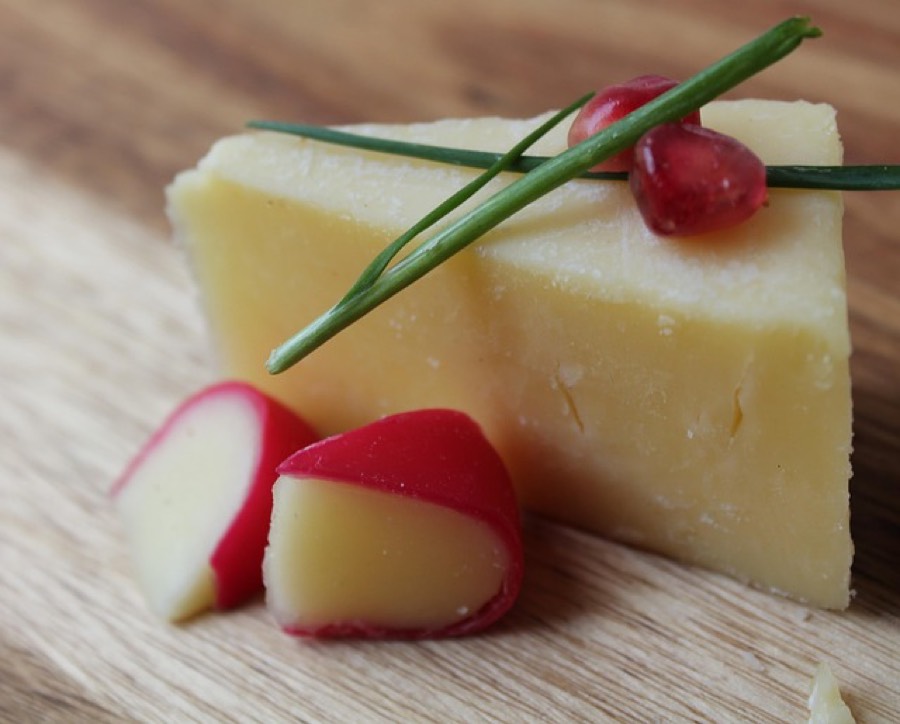
Cheese is not inflammatory for most people, and that catches almost everyone off guard. In the trials where adults were fed milk, yogurt or cheese, the inflammation markers measured in a blood test did not go up. In several of them they came down slightly. Among hundreds of thousands of people followed for years, the ones eating the most fermented dairy had a lower rate of heart disease. Cheese is one of the foods behind that.
Cheese still scores 5 out of 10 on the inflammation scale, for two reasons the trials do not capture. It is salty and high in saturated fat, and a serving is about the size of your thumb, which is far less than most people put on a plate. Dairy is also one of the most common trigger foods in autoimmune conditions, and someone who reacts to it is not described by an average.
Which cheese you buy changes what you are eating. Aged cheeses like parmesan, gruyere or a firm cheddar are fermented for months, and the flavour is strong enough that a small piece does the job. Processed slices and spreadable cheese are a different product, with added salt and the emulsifiers that keep them smooth.
Use cheese as a flavour rather than the base of the plate: grated over vegetables, or a thumb-sized piece alongside fruit. If you have an autoimmune condition and eat it most days, take it out for three weeks and bring it back to see what happens.

Cheese on the AIP diet
Cheese is not allowed on the Autoimmune Protocol. AIP removes every form of dairy during the elimination phase, aged and raw cheese included, because dairy is one of the foods most likely to keep symptoms going. It is also one of the last things reintroduced, usually in the third or fourth stage, and that reintroduction normally starts with ghee rather than with cheese. If you miss the texture, coconut-based cheeses are the usual stand-in.
Benefits
- One of the richest sources of calcium there is, and most adults fall short on it
- Aged cheese supplies vitamin K2, which is hard to find in any other food
- Across the feeding trials, dairy did not raise inflammation markers and often lowered them slightly
- A lot of protein in a small bite, so a thumb-sized piece is genuinely filling
Watch out for
- One of the most common trigger foods in autoimmune conditions and dairy sensitivity
- Salty: a couple of ounces can use up a quarter of the day's sodium
- A serving is far smaller than most people picture, so portions creep without you noticing
- Processed slices and spreads are a different food, with added salt and emulsifiers
Frequently asked
Is cheese inflammatory?
For most people, no. In the trials where people were fed dairy, the inflammation markers a doctor measures in a blood test did not go up, and several studies saw them drop slightly. The people who do react to cheese usually have a dairy sensitivity or an autoimmune condition, and for them it is a genuine trigger.
Which cheese is the best choice?
Aged, fermented ones: parmesan, gruyere, a proper cheddar. They carry live bacteria and more vitamin K2, and the flavour is strong enough that you use less of it. Processed slices and spreadable cheese sit at the other end.
Does cheese cause joint pain?
Not for most people, but it does for some. Dairy is a common trigger in autoimmune conditions, and joint pain is one of the ways that shows up. The only way to know is to drop it completely for three weeks, then bring it back and pay attention to what happens.
Can I eat cheese on an anti-inflammatory diet?
Yes, in small amounts. The Mediterranean diet is the most studied anti-inflammatory way of eating there is, and it includes cheese and yogurt in moderate portions. The exception is the Autoimmune Protocol, which cuts out all dairy.
Anti-inflammatory recipes with Cheese

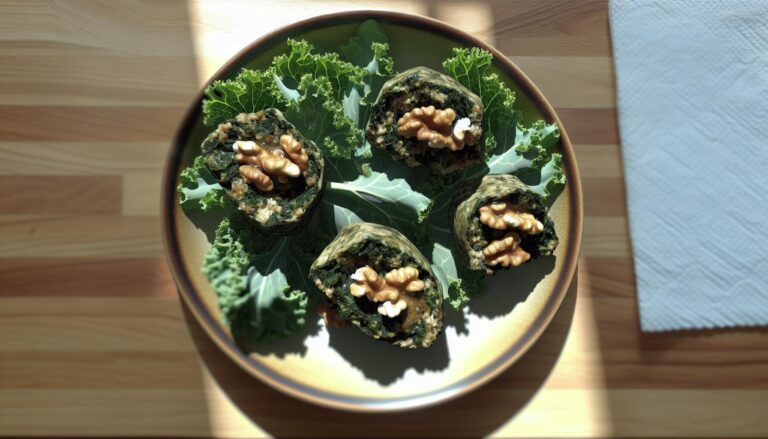
Kale and Walnut Stuffed Mushrooms Recipe

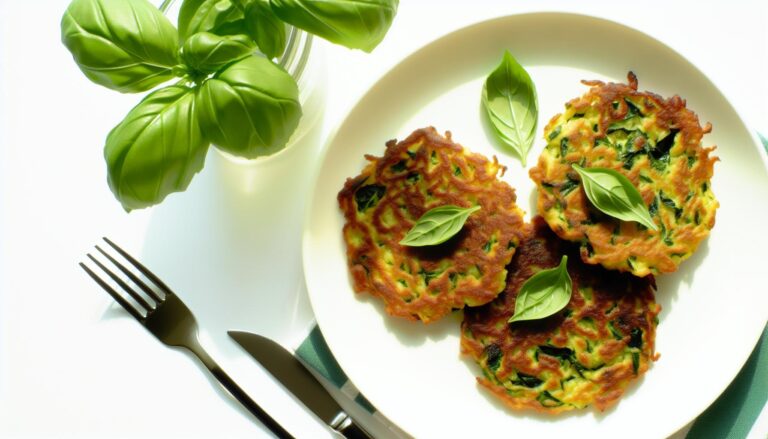
Crispy Basil Zucchini Fritters Recipe

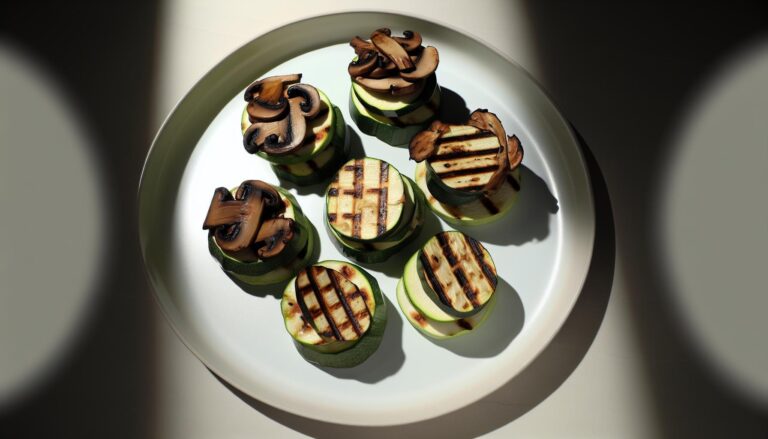
Delicious Grilled Mushroom and Zucchini Stacks Recipe

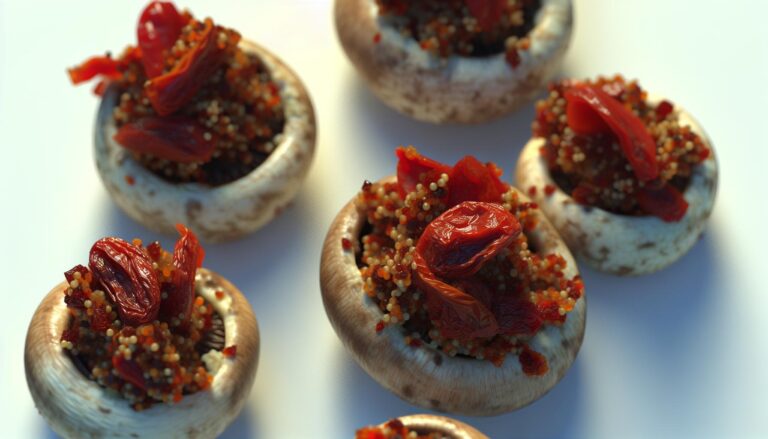
Sun-Dried Tomato and Quinoa Stuffed Mushrooms Recipe

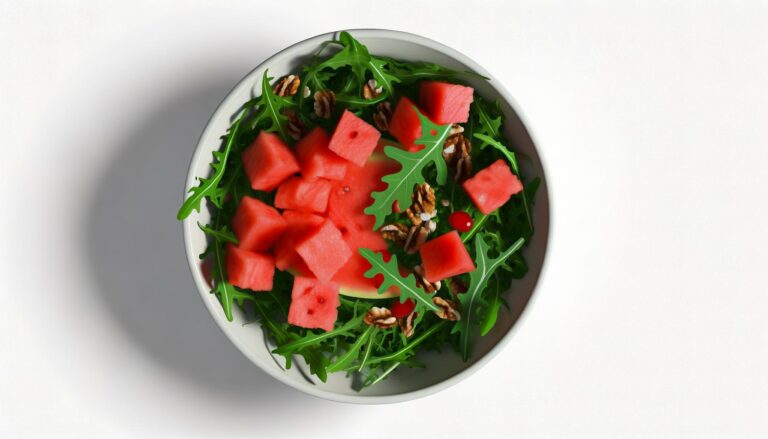
Refreshing Watermelon and Arugula Detox Salad Recipe