Cod vs Salmon: Which Is Less Inflammatory?
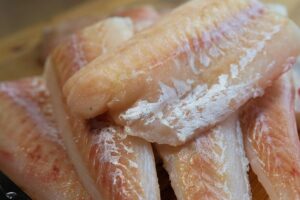
Cod
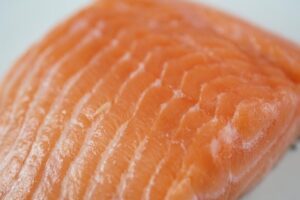
Salmon
Salmon is less inflammatory than cod, but only just: both are anti-inflammatory, one point apart on the inflammation scale. Both sit at the centre of the plate as a main protein, so swapping one for the other changes nothing about how you cook.
The point that separates them is the amount of omega-3 fat. Salmon is one of the richest sources of EPA and DHA, the omega-3 fats that lower the inflammation markers measured in a blood test. Cod has some of these fats too, but far less than salmon, so a cod fillet does not supply enough omega-3 to play that part. Cod still has plenty of protein with almost none of the saturated fat of meat, and the saturated fat in meat pushes inflammation markers up.
If cod is the fish you eat most weeks, plan at least one meal with salmon or another oily fish. Choose wild-caught when you can, because farmed salmon carries fewer omega-3s and more contaminants.
Side by side
| Cod | Salmon | |
|---|---|---|
| Inflammation Score | Low · 2/10 | Low · 1/10 |
| Category | Fish & Seafood | Fish & Seafood |
| Serving size | 1 fillet (140 g) cooked | 3 oz (85 g) cooked |
| Key nutrients | Protein, EPA & DHA omega-3, Selenium | Omega-3, Protein, Vitamin D, Selenium |
| How often | Two or three times a week, with an oily fish on another day | 2-3 servings a week |
On the AIP diet
Cod
Cod is allowed on the Autoimmune Protocol from day one, elimination phase included, so there is nothing to reintroduce later. White fish is one of the proteins AIP asks for. What matters is the form you buy: plain fillets, fresh or frozen, are fine, while battered, breaded and crumbed cod are out because of the grain flour. Check frozen packs for added phosphates and for seasoning blends with pepper or chilli.
Salmon
Wild-caught salmon is a cornerstone protein of the Autoimmune Protocol. It stays on the plate during the elimination phase and through every reintroduction stage, which makes it one of the safest proteins to build meals around.
What each one brings
Cod
- Plenty of protein with almost none of the saturated fat of meat
- Some EPA and DHA, the omega-3 fats that make milder inflammation signals
- Low in mercury, so it is one of the fish you can eat often
- Selenium, which the body uses in its clean-up enzymes
Salmon
- EPA & DHA lower inflammatory markers
- Complete, highly digestible protein
- Astaxanthin, a rare antioxidant
- Supports heart and brain health
Watch out for
Cod
- Far less omega-3 than salmon or sardines, so it does not replace them
- Battered and deep-fried, most of what you eat is the batter and the oil
- Frozen fillets are often treated with salt or phosphates to hold water
- Salt cod needs a long soak and still comes out salty
Salmon
- Farmed salmon: fewer omega-3s, more contaminants
- Smoked versions add nitrates and sodium
- Frying destroys part of the omega-3 content
Get the inflammation score of any meal
Just snap a photo or describe your food to get its inflammation score and uncover hidden patterns that may be affecting your well-being.