Cayenne Pepper vs Paprika: Which Is Less Inflammatory?
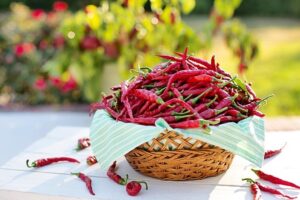
Cayenne Pepper
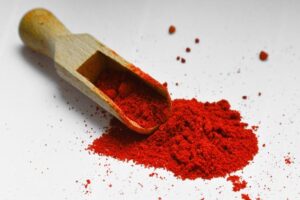
Paprika
Neither cayenne pepper nor paprika is less inflammatory than the other: both score 2 on the inflammation scale. They are both dried red peppers ground to a powder, and they sit next to each other in the spice rack: one is there for heat, the other for colour.
Cayenne leans on capsaicin, the compound behind the heat and the most studied thing in any chilli. Capsaicin capsules lowered an inflammation marker in the blood, and capsaicin cream rubbed on the skin eases the pain of worn joints. The gap is in the form: that evidence comes from capsules and creams, not from the half teaspoon you stir into a pan.
Paprika brings the colour instead. Capsanthin and the other red pigments in it are antioxidants, and drying concentrates them. In a trial against a dummy pill, paprika extract capsules made skin slower to redden under ultraviolet light than the dummy pill did. Redness under ultraviolet light is inflammation in the skin, so that counts, though it came from concentrated capsules again rather than from the jar. Keep both jars in a dark cupboard away from the hob, because light and heat fade the red, and the pigments go with it.
Side by side
| Cayenne Pepper | Paprika | |
|---|---|---|
| Inflammation Score | Low · 2/10 | Low · 2/10 |
| Category | Spices & Herbs | Spices & Herbs |
| Serving size | 1 tsp (1.8 g) ground | 1 tsp (2.3 g) ground |
| Key nutrients | Capsaicin, Dihydrocapsaicin, Capsanthin, Beta-carotene | Capsanthin, Beta-cryptoxanthin, Zeaxanthin, Vitamin E |
| How often | Daily, a pinch at a time | Daily, stirred into oil off the heat |
On the AIP diet
Cayenne Pepper
Cayenne pepper is out during the elimination phase of the Autoimmune Protocol. It is ground chilli, and chillies are nightshades, the family AIP removes whole: peppers, tomatoes, aubergine, white potatoes and every spice made from them, paprika included. Nightshade spices tend to be among the last foods reintroduced, so expect months without it. Ginger, garlic and horseradish cover the heat in the meantime.
Paprika
Paprika is out during the elimination phase of the Autoimmune Protocol. It is ground red pepper, and peppers are nightshades, the family AIP removes whole: peppers, tomatoes, aubergine, white potatoes and every spice made from them. Smoked and hot paprika go the same way. Nightshade spices tend to be among the last foods reintroduced, so expect months without it. Turmeric and garlic cover the colour and depth in the meantime.
What each one brings
Cayenne Pepper
- Capsaicin, the compound behind the heat, is the most studied thing in any chilli
- Capsules of it lowered the inflammation marker that shows up in a blood test
- Rubbed on the skin as a cream, it eases the pain of worn joints
- Adds strong flavour with no salt, sugar or fat
Paprika
- The red carotenoids are antioxidants, and dried paprika is a concentrated source of them
- In a placebo-controlled trial, extract capsules made skin slower to redden under ultraviolet light
- Beta-cryptoxanthin from paprika builds up in the blood and becomes vitamin A
- Adds deep colour and flavour to a dish with no salt, sugar or fat
Watch out for
Cayenne Pepper
- Human evidence uses capsaicin capsules and creams, not the spice you cook with
- It is a nightshade, so it is out during the AIP elimination phase
- Chilli can bring on reflux, ulcer and irritable bowel symptoms
- Jars sold as chilli powder are often mostly paprika and cumin
Paprika
- The human evidence uses concentrated paprika extract in capsules, not the spice in your rack
- It is a nightshade, so it is out during the AIP elimination phase
- Capsanthin, its main pigment, did not show up in blood even after twelve weeks
- Light and warmth fade the colour, and the carotenoids go with it
Get the inflammation score of any meal
Just snap a photo or describe your food to get its inflammation score and uncover hidden patterns that may be affecting your well-being.