Cod
Why cod is anti-inflammatory
Cod is anti-inflammatory, and what makes it so is its omega-3 fat, EPA and DHA, even in the small amount a white fish carries. Your body builds some of its inflammation signals out of the fats in your food. The signals it makes from EPA and DHA are milder than those it makes from the fat in meat.
How far that goes with a lean fish has been tested against the oily kind. Adults who ate about 750 g of lean fish a week for two months did end up with more DHA in their immune cells. In the same trial the oily fish did more: it raised the whole family of omega-3 fats in those cells and cut back their omega-6 fats.
Cod is also one of the fish you do not have to ration. Mercury builds up in big fish that hunt other fish for years, and cod is caught smaller and younger, so health agencies put it in their low mercury group. A fillet also has selenium, a mineral your body uses in the enzymes that clear up cell damage.
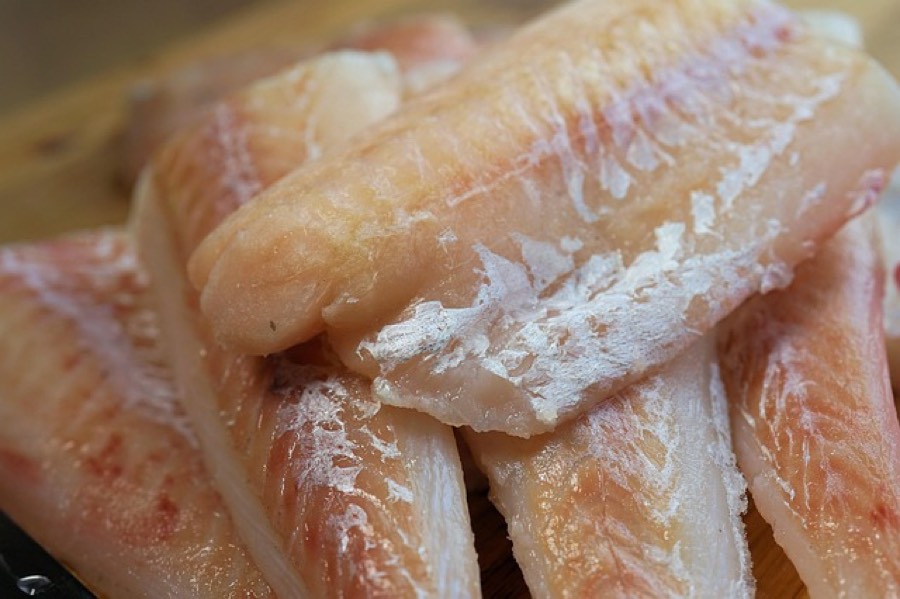
Most cod is sold frozen, and the differences are on the label. Fillets are often treated with salt or phosphates to hold water in, which you pay for by weight. Battered and breaded pieces belong with fried food.
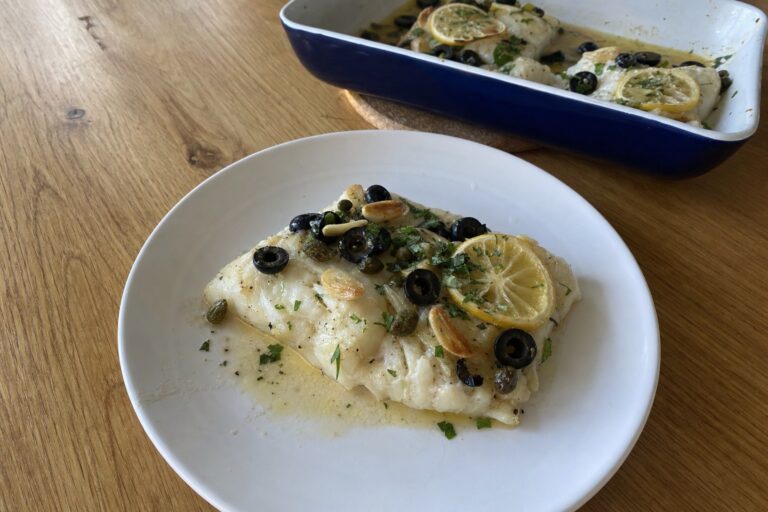
Bake or poach cod and take it out when it flakes. Keep an oily fish somewhere in the week, because cod does not replace it.

Cod on the AIP diet
Cod is allowed on the Autoimmune Protocol from day one, elimination phase included, so there is nothing to reintroduce later. White fish is one of the proteins AIP asks for. What matters is the form you buy: plain fillets, fresh or frozen, are fine, while battered, breaded and crumbed cod are out because of the grain flour. Check frozen packs for added phosphates and for seasoning blends with pepper or chilli.
Benefits
- Plenty of protein with almost none of the saturated fat of meat
- Some EPA and DHA, the omega-3 fats that make milder inflammation signals
- Low in mercury, so it is one of the fish you can eat often
- Selenium, which the body uses in its clean-up enzymes
Watch out for
- Far less omega-3 than salmon or sardines, so it does not replace them
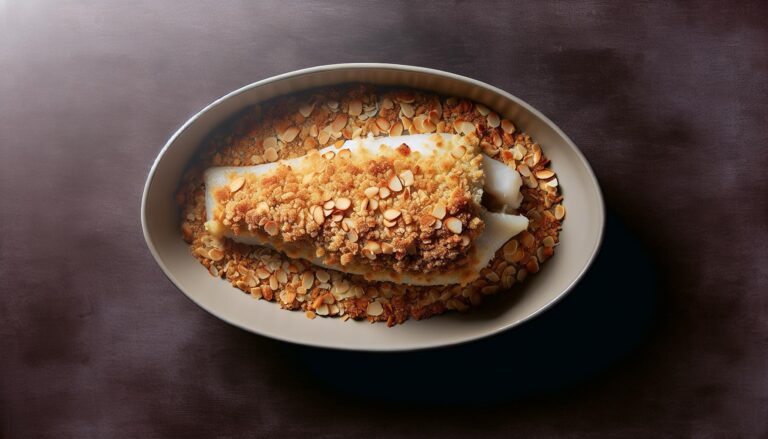
- Battered and deep-fried, most of what you eat is the batter and the oil
- Frozen fillets are often treated with salt or phosphates to hold water
- Salt cod needs a long soak and still comes out salty
Frequently asked
Is cod inflammatory?
No. Cod is a lean white fish, and the omega-3 fats it carries work against inflammation rather than for it. There is very little saturated fat in a fillet, which is the fat that makes most of the meat counter harder on the body. How it is cooked decides the rest: baked or poached cod is a different food from battered cod.
Is cod as good as salmon?
Not for the fats. A cod fillet holds a small fraction of the omega-3 that an oily fish does, and that fat is the strongest anti-inflammatory part of any seafood. Cod is still worth eating often, because it is low in mercury and light on saturated fat, but it works alongside salmon rather than instead of it.
Is frozen cod as good as fresh?
For the nutrients, yes. Fish frozen at sea often reaches you in better shape than fillets that have sat on a counter. Read the pack: many frozen fillets are treated with salt or phosphates to hold water in, so you pay for that water by weight and the fish cooks softer.
Is cod allowed on the AIP diet?
Yes, in every phase, elimination included. Buy it plain. Battered and breaded cod are out because of the flour, and seasoned packs often add pepper or chilli, which are out during elimination too.