Pasta vs Potato: Which Is Less Inflammatory?
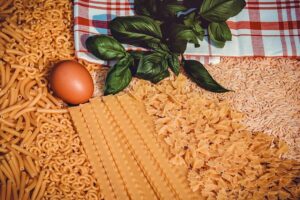
Pasta
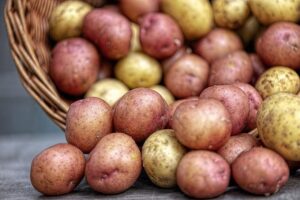
Potato
Potato is less inflammatory than pasta, but only just: both sit in the middle of the inflammation scale, one point apart. They compete for the same place on the plate, the starchy part of dinner, and how you cook each one matters more than which of the two you pick.
A potato is a whole vegetable with nothing milled out of it. Most of its fibre is in the skin, one medium potato carries more potassium than a banana, and yellow and purple varieties hold pigments that work against cell damage. Its weak point is speed: a plain boiled potato lifts blood sugar about as fast as white bread, and fast rises in blood sugar are one of the ways food drives inflammation. Most potatoes also reach the table fried, which brings refined oil and salt along with them.
Pasta starts a step behind the potato, because it is refined wheat, with the bran, the germ and most of the fibre taken out before the shape is pressed. It recovers some ground: durum wheat leaves it more protein than most refined grains, around 8 grams a cooked cup, and the dense dried shape releases its sugar more slowly than bread made from the same flour. Two habits cancel that out, boiling it well past al dente, which makes the starch break down much faster, and serving three or four times what a first course in Italy would be. Boil a batch of potatoes with the skins on tonight, chill them, and eat them cold tomorrow, because cooling turns part of the starch into food for your gut bacteria.
Side by side
| Pasta | Potato | |
|---|---|---|
| Inflammation Score | Medium · 6/10 | Medium · 5/10 |
| Category | Grains | Vegetables |
| Serving size | 1 cup cooked (140 g) | 1 medium boiled with skin (170 g) |
| Key nutrients | Gluten (durum wheat protein), Amylose (slow starch), Selenium, Manganese | Fast-digesting starch, Potassium, Vitamin C, Glycoalkaloids (solanine) |
| How often | — | — |
On the AIP diet
Pasta
Pasta is not allowed on the Autoimmune Protocol. The elimination phase takes out every grain, and wheat pasta is the clearest case of all, because it is refined grain and gluten in the same mouthful. It is also one of the last things people test when they start adding foods back, and plenty never bring it back at all. Cassava and sweet potato noodles are the compliant way to keep the shape.
Potato
Potato is not allowed on the Autoimmune Protocol. It is a nightshade, and the elimination phase takes out every nightshade because of the glycoalkaloids in them. Sweet potato is a different plant and stays, which is why it becomes the main starchy food on an AIP plate. Nightshades are usually reintroduced late, and green or sprouting potatoes stay out even then.
What each one brings
Pasta
- The dense dried shape releases its sugar more slowly than bread made from the same flour
- Durum wheat gives it more protein than most refined grains, around 8 g a cooked cup
- Eaten as part of a normal diet it is not linked to weight gain
- A useful source of selenium and manganese, which most refined grains have lost
Potato
- A whole vegetable, and most of the fibre sits in the skin you can keep on
- One medium potato carries more potassium than a banana
- Yellow and purple flesh contains pigments that work against cell damage
- Cooked a day ahead and eaten cold, part of its starch feeds your gut bacteria
Watch out for
Pasta
- It is refined wheat, so the bran, the germ and most of the fibre are gone
- Boiled past al dente it turns into sugar much faster
- Servings outside Italy are often three or four times a first course
- It contains gluten, so it is out for coeliacs and during AIP elimination
Potato
- A plain boiled potato lifts blood sugar about as fast as white bread
- Most potatoes are eaten fried, which adds refined oil and salt
- It is a nightshade, so it comes out during the AIP elimination phase
- Green patches and sprouts hold more glycoalkaloids and are worth cutting away
Get the inflammation score of any meal
Just snap a photo or describe your food to get its inflammation score and uncover hidden patterns that may be affecting your well-being.