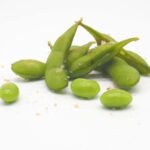
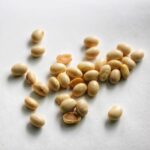
Edamame vs Soy: Which Is Less Inflammatory?
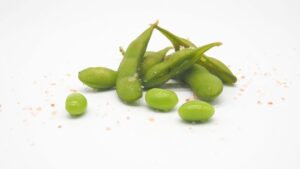
Edamame
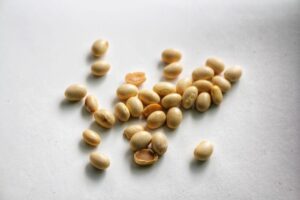
Soy
Edamame is less inflammatory than soy, but only just: both are anti-inflammatory, one point apart on the inflammation scale. Edamame is soy. It is the same bean picked young and served in the pod, which is why the two scores land so close together.
Edamame parts company with soy in general on one point: you eat the whole bean. The protein, the fibre and the isoflavones all arrive in one food, nothing has been extracted and nothing has been added: half a cup shelled carries around 9 grams of protein and 4 of fibre, and the isoflavones work as antioxidants against the cell damage that feeds inflammation. Restaurant pods and some frozen bags come out heavily salted, so that is the one label worth reading.
Soy covers a lot more ground than the bean does. Tofu, tempeh and miso keep the protein and fibre together, and fermenting tempeh and miso breaks part of the bean down before you eat it. Most soy in a Western diet, though, arrives as oil or powder inside packaged food, and soybean oil is the fat behind a lot of fried food, which raises inflammation. Keep a bag of frozen edamame in the freezer and eat a bowl of it when you would otherwise open crisps.
Side by side
| Edamame | Soy | |
|---|---|---|
| Inflammation Score | Low · 2/10 | Low · 3/10 |
| Category | Legumes | Legumes |
| Serving size | 1/2 cup shelled (78 g) | 1/2 cup cooked soybeans (90 g) |
| Key nutrients | Isoflavones (daidzein), Plant protein, Fibre, Folate | Isoflavones (genistein), Complete plant protein, Fibre, Linoleic acid (soybean oil) |
| How often | Most days, half a cup shelled or a bowl of pods in place of a packet snack | Most days, as edamame, tofu, tempeh or miso |
On the AIP diet
Edamame
Edamame is not allowed during the elimination phase of the Autoimmune Protocol. It is a soybean, and the protocol takes out every legume at the start, with soy the strictest of them. Soy also sits at the back of the reintroduction queue, behind eggs, nuts and seeds, and plenty of people never bring it back. Olives fill the snack slot while you wait.
Soy
Soy is not allowed during the elimination phase of the Autoimmune Protocol. Every legume goes in that phase, and soy takes the most with it: beans, tofu, tempeh, miso, soy milk and soy sauce all leave at once. It also comes back late in the reintroduction, if at all. Coconut aminos stand in for soy sauce, and the protein comes from meat and fish.
What each one brings
Edamame
- A whole bean, so protein, fibre and isoflavones come in one food
- Half a cup shelled has around 9 grams of protein and 4 of fibre
- Isoflavones act as antioxidants against the damage that feeds inflammation
- A snack you eat by the handful in place of crisps
Soy
- Protein as complete as meat, with no cholesterol and little saturated fat
- Fibre that stays with the protein in whole soy and feeds the gut bacteria
- Isoflavones, plant compounds that behave more like antioxidants than hormones
- Tempeh and miso are fermented, so part of the bean is broken down already
Watch out for
Edamame
- Restaurant pods and some frozen bags come out heavily salted
- Soy must be named on the label, because it is a common allergen
- Legumes can leave you gassy if they are rare in your week
- Not allowed while you are in an AIP elimination phase
Soy
- Most soy eaten today arrives as oil or powder inside packaged food
- Soybean oil is the fat behind a lot of fried food
- Soy sauce brings plenty of salt and little of the bean
- A common allergy, so it is always named on the label
Get the inflammation score of any meal
Just snap a photo or describe your food to get its inflammation score and uncover hidden patterns that may be affecting your well-being.