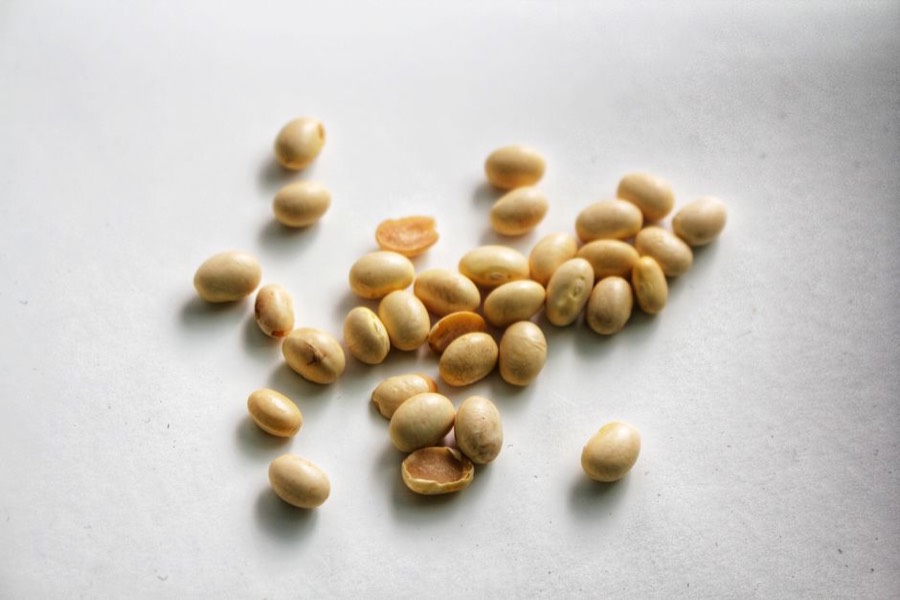
Soy
Why soy is anti-inflammatory
Soy is not inflammatory. The bean is a legume, so it brings protein, fibre and a group of plant compounds called isoflavones, with no cholesterol and barely any saturated fat behind it. What makes soy confusing is that one word covers two very different foods.
On one side there is soy you can point at: edamame, tofu, tempeh, miso, soy milk. On the other there is soy as an industrial ingredient. The bean is pressed for its oil, and the protein left over is separated from the fibre and sold as a powder. Both go into packaged food, so most people eat soy every week without ever buying a bean.
That split is most of the answer. In a whole soy food the protein still sits next to the fibre, which feeds the bacteria in the gut and slows the meal down. Tempeh and miso go further, because the bacteria have already broken part of the bean down before it reaches you. Soybean oil carries none of that, and it is the fat in a lot of fried food.
Soy scores 3 out of 10 on the inflammation scale, and the number is an average of that whole family. Bought as a bean, a block or a paste, it sits lower than the score suggests. Eaten as the oil in a fryer or the protein in a bar, it sits higher.

Soy on the AIP diet
Soy is not allowed during the elimination phase of the Autoimmune Protocol. Every legume goes in that phase, and soy takes the most with it: beans, tofu, tempeh, miso, soy milk and soy sauce all leave at once. It also comes back late in the reintroduction, if at all. Coconut aminos stand in for soy sauce, and the protein comes from meat and fish.
Benefits
- Protein as complete as meat, with no cholesterol and little saturated fat
- Fibre that stays with the protein in whole soy and feeds the gut bacteria
- Isoflavones, plant compounds that behave more like antioxidants than hormones
- Tempeh and miso are fermented, so part of the bean is broken down already
Watch out for
- Most soy eaten today arrives as oil or powder inside packaged food
- Soybean oil is the fat behind a lot of fried food
- Soy sauce brings plenty of salt and little of the bean
- A common allergy, so it is always named on the label
Frequently asked
Is soy inflammatory?
No. Whole soy does the opposite: the bean is a legume, so it brings protein, fibre and isoflavones, and there is nothing in it pulling the other way. What changes the answer is the form you eat. Edamame, tofu, tempeh and miso are one thing, and the oil and the protein powder inside packaged food are another.
Does soy affect hormones?
Isoflavones carry the nickname phytoestrogen, which is about shape and not about strength. They are far weaker than the hormone they are named after, and in people who eat soy as food, hormone levels do not move. Men who eat tofu or edamame regularly see no change in testosterone.
Which soy foods are the best ones?
The ones that still look like a bean. Edamame, tofu and tempeh keep the fibre and the protein together, and miso adds fermentation on top. Soy protein powder and soybean oil are single pieces of the bean sold on their own, and they behave like the packaged food they end up in.
Is soy allowed on the AIP diet?
No, not during the elimination phase. Soy is a legume, and the whole family goes at once: beans, tofu, tempeh, miso, soy milk and soy sauce. It is one of the last foods people try to bring back, and plenty decide they do not miss it. Coconut aminos cover the soy sauce.