Oats vs Wheat: Which Is Less Inflammatory?
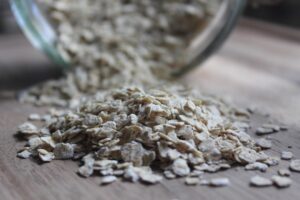
Oats
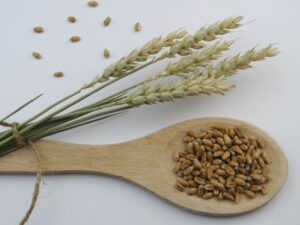
Wheat
Oats are less inflammatory than wheat, and it is not close: oats sit at the low end of the inflammation scale and wheat in the middle. They are the two grains that carry breakfast in most houses, porridge on one side and toast on the other, so the swap is a straight one.
Oats carry avenanthramides, plant compounds no other food supplies, and the fibre in them, beta-glucan, thickens into a gel as it travels through you. That gel slows the starch down, so it reaches the blood as sugar gradually instead of all at once, and the fibre that gets as far as the large intestine feeds the bacteria that keep the gut wall sealed. A bowl a day also brings cholesterol down. If you avoid gluten, buy oats labelled certified, because plain bags are milled alongside wheat and arrive with traces of it.
Wheat sits in the middle of the scale mostly because of the form it reaches the table in. Whole wheat is a good source of fibre, and eating whole grains in place of refined flour lowers the inflammation markers in a blood test, but most wheat is eaten as white flour, with the bran and the germ milled out. The flour that remains digests fast and pushes blood sugar up quickly. Wheat also carries gluten, which damages the lining of the gut in coeliac disease, and fructans, a fibre that ferments and leaves some people bloated. Swap two mornings of toast for plain porridge, and leave the flavoured instant sachets alone, because they can be a third sugar by weight.
Side by side
| Oats | Wheat | |
|---|---|---|
| Inflammation Score | Low · 2/10 | Medium · 6/10 |
| Category | Grains | Grains |
| Serving size | 1/2 cup dry rolled oats (40 g) | 1 cup cooked (170 g) |
| Key nutrients | Beta-glucan, Avenanthramides, Manganese, Magnesium | Gluten (wheat protein), Amylopectin (fast starch), Arabinoxylan (bran fibre), Fructans |
| How often | Most mornings, half a cup dry, plain | — |
On the AIP diet
Oats
Oats are not allowed on the Autoimmune Protocol. The elimination phase takes out every grain, and oats go with the rest even though they carry no gluten of their own. Two things make them a harder case: almost all oats are milled alongside wheat, so a plain bag arrives with gluten unless certified, and oats carry avenin, a protein close enough to gluten that some coeliacs react to it too.
Wheat
Wheat is not allowed during the elimination phase of the Autoimmune Protocol, which takes out every grain. Wheat is one of the last foods people try to bring back, because gluten and the other wheat proteins are part of the reason the diet exists. In practice that rules out bread, pasta, couscous and most baked goods, and some people never reintroduce it.
What each one brings
Oats
- Carry avenanthramides, polyphenols found in no other food, which also calm irritated skin
- Beta-glucan turns into a gel, so the starch arrives as sugar gradually
- A bowl a day brings cholesterol down, one of the best established effects of any food
- The fibre reaching the large intestine feeds the bacteria that keep the gut wall sealed
Wheat
- Whole wheat is a good source of fibre, which feeds the bacteria living in your gut
- Whole grains in place of refined flour lower the inflammation markers in a blood test
- The bran and the germ carry B vitamins, magnesium and iron
- Cooked wheat berries and bulgur keep well, so a batch covers several meals
Watch out for
Oats
- Flavoured instant sachets can be a third sugar by weight, cancelling most of the point
- Oats are milled alongside wheat, so a plain bag carries gluten unless certified
- Oats have their own protein, avenin, and some coeliacs react to it too
- Still a starchy grain, so the portion decides a lot and it is easy to pour double
Wheat
- Most wheat is eaten as white flour, with the fibre and germ milled out
- Refined wheat digests fast and pushes blood sugar up quickly
- Off limits in coeliac disease, where gluten damages the lining of the gut
- The fructans in wheat ferment in the gut and leave some people bloated
Get the inflammation score of any meal
Just snap a photo or describe your food to get its inflammation score and uncover hidden patterns that may be affecting your well-being.