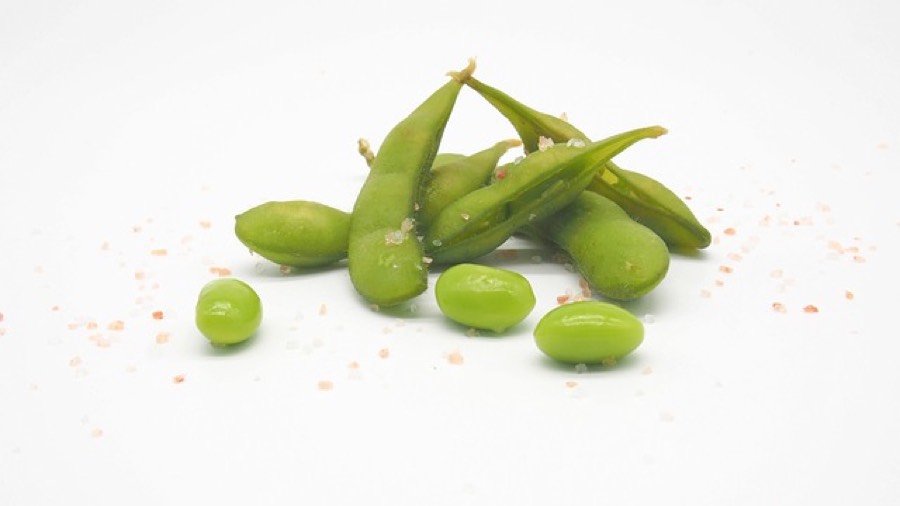
Edamame pods and shelled green soybeans on a white surface

Edamame

Anti-InflammatoryLegumes
Low
Inflammation Score
2/10
Anti-inflammatoryInflammatory
Serving size
1/2 cup shelled (78 g)
Key nutrients
Isoflavones (daidzein)Plant proteinFibreFolate
How often
Most days, half a cup shelled or a bowl of pods in place of a packet snack

Why edamame is anti-inflammatory

Edamame is anti-inflammatory. It is a soybean picked while still green and soft, then boiled in its pod. Because you eat the whole bean, the protein, the fibre and the isoflavones arrive together. Isoflavones are the plant compounds soy is known for, and in the body they act as antioxidants, slowing the cell damage that keeps an immune response going.

In a blood test the effect is modest. Pooled trials of soy found one marker of inflammation came down while two others did not move. Many of those trials used isoflavone capsules or soy protein powder rather than a bowl of beans, and edamame has not been measured on its own.

Edamame is also eaten as a snack, by the handful. Half a cup of shelled beans has around 9 grams of protein and 4 of fibre, enough to hold off hunger. What it replaces is the point: snack food is usually refined starch fried in oil, and both sit far higher on our inflammation scale than edamame does.

Buy edamame frozen, in the pod or already shelled, because it is blanched and frozen within hours of picking. Check the salt: pods served in a restaurant come out heavily salted, and some frozen bags are salted too. Plain shelled beans have none.

Steam or boil the pods for about five minutes, until a bean gives when you press it, then salt lightly or not at all. Shelled beans need two minutes in hot water and go into a salad or a rice bowl. The pods are too tough to eat.

Edamame on the AIP diet

Edamame is not allowed during the elimination phase of the Autoimmune Protocol. It is a soybean, and the protocol takes out every legume at the start, with soy the strictest of them. Soy also sits at the back of the reintroduction queue, behind eggs, nuts and seeds, and plenty of people never bring it back. Olives fill the snack slot while you wait.

Benefits

  • A whole bean, so protein, fibre and isoflavones come in one food
  • Half a cup shelled has around 9 grams of protein and 4 of fibre
  • Isoflavones act as antioxidants against the damage that feeds inflammation
  • A snack you eat by the handful in place of crisps

Watch out for

  • Restaurant pods and some frozen bags come out heavily salted
  • Soy must be named on the label, because it is a common allergen
  • Legumes can leave you gassy if they are rare in your week
  • Not allowed while you are in an AIP elimination phase

Get the inflammation score of any meal

Just snap a photo or describe your food to get its inflammation score and uncover hidden patterns that may be affecting your well-being.

Download on the App StoreGet it on Google Play
InflammaScan app

Frequently asked

Is edamame anti-inflammatory?

Yes. It is the soybean eaten young and whole, so the protein, the fibre and the isoflavones all come in the same mouthful. Isoflavones work as antioxidants, slowing the cell damage that keeps an immune response running. It also matters what edamame takes the place of, because a bowl of beans is a very different snack from a bag of crisps.

Can you eat edamame every day?

Yes. It is an everyday food across East Asia, and a handful with a meal or between meals is an ordinary amount. Two things are worth watching. Restaurant pods are salted heavily, so ask for them plain or rinse them. And legumes can leave you gassy at first if they are rare in your week, which settles once they are not.

Is frozen edamame as good as fresh?

Yes, and usually better. Edamame is blanched and frozen within hours of being picked, while fresh pods lose their sweetness in a day or two and only turn up for a few weeks in summer. Buy the pods if you want a snack and the shelled beans if you want to cook with them.

Is edamame allowed on the AIP diet?

No, not during the elimination phase. Edamame is a soybean, and the Autoimmune Protocol removes every legume from the start, soy included. It also comes back late in the reintroduction, after eggs, nuts and seeds, and many people decide they do not miss it. Olives cover the same snack slot in the meantime.

The easiest way to follow an anti-inflammatory diet.

Identify inflammatory foods in seconds, log your symptoms and discover what’s inflaming you. Includes hundreds of recipes.

Download on the App StoreGet it on Google Play
InflammaScan app