Almond Milk vs Soy: Which Is Less Inflammatory?
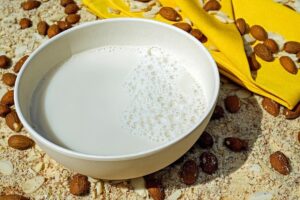
Almond Milk
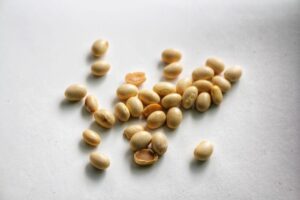
Soy
Neither almond milk nor soy is less inflammatory than the other: they score the same, a 3. The choice comes down to what you want out of the glass rather than which one is safer.
Soy gives you protein with every amino acid your body cannot make on its own, and almond milk cannot come near that, because a carton is mostly water with two to four percent almonds in it. Almond milk gives you vitamin E and almost no sugar in the unsweetened version, and it is the one to reach for when soy is an allergy in your house. Whichever you put in your trolley, buy it unsweetened: the flavoured cartons carry as much sugar as a soft drink, and that sugar cancels out the point of either one.
Side by side
| Almond Milk | Soy | |
|---|---|---|
| Inflammation Score | Low · 3/10 | Low · 3/10 |
| Category | Beverages | Legumes |
| Serving size | 1 cup (240 ml) | 1/2 cup cooked soybeans (90 g) |
| Key nutrients | Vitamin E (alpha-tocopherol), Calcium (fortified), Vitamin B12 (fortified), Gellan gum (added) | Isoflavones (genistein), Complete plant protein, Fibre, Linoleic acid (soybean oil) |
| How often | Daily, unsweetened and fortified | Most days, as edamame, tofu, tempeh or miso |
On the AIP diet
Almond Milk
Almond milk is not allowed during the elimination phase of the Autoimmune Protocol. AIP takes out all nuts from day one, and almond milk is a nut in liquid form. Most cartons add gums and emulsifiers, which are off the list on their own terms. Nuts come back early in the reintroduction, so a plain unsweetened carton is an easy first test. During the elimination, unsweetened coconut milk is the plant milk that fits.
Soy
Soy is not allowed during the elimination phase of the Autoimmune Protocol. Every legume goes in that phase, and soy takes the most with it: beans, tofu, tempeh, miso, soy milk and soy sauce all leave at once. It also comes back late in the reintroduction, if at all. Coconut aminos stand in for soy sauce, and the protein comes from meat and fish.
What each one brings
Almond Milk
- No lactose and no milk protein, the two parts of dairy people actually react to
- An unsweetened carton has almost no sugar, which is rare among plant milks
- Brings vitamin E, the antioxidant that protects the fat in your cell membranes
- Most brands are fortified, so it gives back the calcium and B12 that dropping dairy takes away
Soy
- Protein as complete as meat, with no cholesterol and little saturated fat
- Fibre that stays with the protein in whole soy and feeds the gut bacteria
- Isoflavones, plant compounds that behave more like antioxidants than hormones
- Tempeh and miso are fermented, so part of the bean is broken down already
Watch out for
Almond Milk
- Sweetened and flavoured versions carry as much sugar as a soft drink
- Mostly water, with two to four percent almonds, so no real protein or fat
- Gums are added to stop it separating, and some guts dislike them
- Not an option with a tree nut allergy, and a poor milk for young children
Soy
- Most soy eaten today arrives as oil or powder inside packaged food
- Soybean oil is the fat behind a lot of fried food
- Soy sauce brings plenty of salt and little of the bean
- A common allergy, so it is always named on the label
Get the inflammation score of any meal
Just snap a photo or describe your food to get its inflammation score and uncover hidden patterns that may be affecting your well-being.